Budget 30-Plant Shopping List: Hit Your Target for Under £40 a Week
The most plant-diverse foods are the cheapest in the supermarket. Dried pulses, tinned legumes, frozen vegetables, and whole grains - not superfoods, wellness blends, or specialist health food shop products. This is a real shopping list with real prices for one to two people.
The wellness industry has done an effective job of making plant diversity feel expensive. Seed mixes with branding, superfood powders, quinoa in premium packaging, adaptogenic mushroom blends - none of this is necessary. A bag of mixed seeds from the baking aisle is the same product as a branded 'diversity blend' at three times the price. The plants that most efficiently hit the 30-plant target are among the cheapest foods in any standard supermarket.
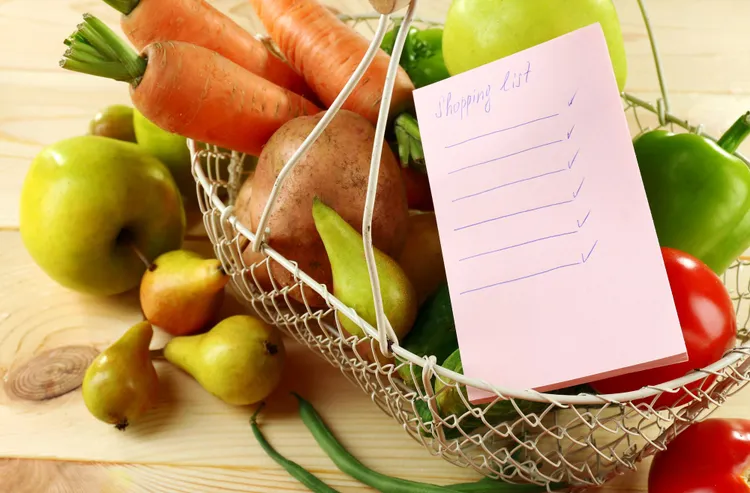
The Core Shopping List
Prices are approximate UK supermarket prices (Aldi/Lidl/ASDA level) for a household of 1-2 people for one week. Adjust quantities for your household size.
Grains and Pulses (Dried and Tinned) - approx. £8-10
- Mixed grain porridge oats (oats, barley, rye flakes) - 500g, ~£1.50 = 3 plants
- Dried red lentils - 500g, ~£0.89 = 1 plant
- Tinned mixed beans x2 (typically chickpea, kidney, cannellini, borlotti) - ~£0.90 each = 4 plants
- Tinned chickpeas x1 - ~£0.65 = 1 plant (if not in mixed tin)
- Brown rice or mixed grain pouch - ~£1.20 = 1-3 plants depending on blend
- Wholemeal bread or rye crispbreads - ~£1.20 = 1-2 plants
Fresh Vegetables - approx. £7-9
Buy what's on offer. Seasonal vegetables are cheapest and most nutritious. This list is a template:
- Bag of mixed salad leaves (spinach, rocket, watercress, or similar) - ~£1.00 = 2-3 plants
- Broccoli or tenderstem broccoli - ~£0.89
- Carrots (bag) - ~£0.55
- Onions (bag) - ~£0.65
- Garlic (bulb) - ~£0.35
- Sweet potato x2 - ~£0.80
- Courgette or aubergine - ~£0.75
- Tomatoes (vine or cherry) - ~£0.90
That's 8-9 fresh vegetable plants for ~£6. Buy one more vegetable you don't normally buy to add one new plant at minimal cost.
Frozen Vegetables - approx. £3-4
- Mixed frozen vegetables (typically peas, sweetcorn, carrot, green beans, broccoli) - 1kg bag, ~£1.20 = 5-6 plants
- Frozen spinach - 750g, ~£1.09 = 1 plant (if not already buying fresh)
- Frozen edamame - 500g, ~£1.50 = 1 plant
Frozen is nutritionally equivalent to fresh - vegetables are typically frozen within hours of harvest, which preserves micronutrients more effectively than fresh produce that's been sitting in distribution and on supermarket shelves for several days. Don't pay a premium for fresh if frozen is cheaper.
Fruits - approx. £4-5
- Bananas - bunch, ~£0.75 = 1 plant
- Apples x4 - ~£0.90 = 1 plant
- Bag of mixed frozen berries (strawberry, raspberry, blueberry, blackcurrant) - 500g, ~£1.80 = 4 plants
- Oranges x3 - ~£0.99 = 1 plant
Seeds, Nuts, Nut Butters - approx. £5-7
- Mixed seeds (pumpkin, sunflower, sesame, linseed) - 200g, ~£1.80 = 4 plants
- Chia seeds - 200g, ~£1.50 = 1 plant (if not in mixed bag)
- Mixed nuts or walnuts - 150g, ~£1.50 = 1-4 plants
- Peanut butter or almond butter - ~£2.00 = 1 plant
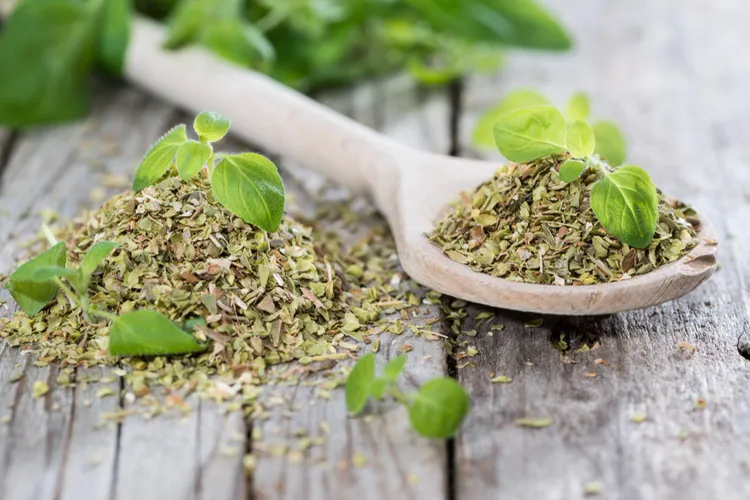
Spices (one-time purchase, lasting 2-3 months) - approx. £4-6
- Ground cumin - ~£0.89
- Ground coriander - ~£0.89
- Turmeric - ~£0.89
- Smoked paprika - ~£0.89
- Cinnamon - ~£0.89
- Garam masala or baharat blend - ~£0.89
Six spices = 6 plants, used across multiple meals throughout the week. The per-meal cost is under £0.05. This is the highest-leverage budget spend in the challenge.
Other - approx. £3-4
- Coffee or tea (if you drink it) - already buying = 1-2 plants
- Dark chocolate 70%+ - 100g bar, ~£1.20 = 1 plant
- Tinned tomatoes x2 - ~£0.85 each = 1 plant (tomato)
- Olive oil (if needed) - ~£2.50
Total Plant Count from This List
Working through the list: 3 (mixed grains) + 4 (mixed beans) + 1 (red lentils) + 2-3 (mixed salad) + 7 (fresh vegetables) + 6 (frozen vegetables) + 3-4 (frozen + fresh fruit) + 4 (mixed seeds) + 1 (chia) + 2 (nuts) + 1 (nut butter) + 6 (spices) + 2 (coffee/tea) + 1 (dark chocolate) = 43-49 distinct plants, at approximately £35-40 total.
Not every plant will be eaten every week - some will last multiple weeks (spices, frozen items, dried pulses). The weekly shopping spend for replenishment of fresh items is typically £15-20 once the pantry is established.
Calculate the exact nutritional breakdown of your 30-plant week with the nutrition calculators.
What Not to Buy
Skip anything marketed specifically at gut health or plant diversity that's significantly more expensive than its conventional equivalent. Branded 'prebiotic' supplements are unnecessary when dried garlic, onions, oats, and legumes provide the same fibres at a fraction of the cost. Freeze-dried greens powders don't replace whole plant foods. Expensive seed blends in health food packaging contain the same seeds as the bags in the baking aisle. For the pantry items that do the most work week-to-week, the 30-plant pantry guide covers the 15 staples worth always having in stock.
The full challenge framework - tracking, habits, and the weekly system - is in the 30-plant-week challenge guide.
Making It Work When Fresh Produce Is Expensive
Fresh produce prices vary significantly by season, region, and supermarket. In high-cost periods or areas, the budget adjustments that maintain plant diversity without increasing spend are straightforward: buy more frozen and tinned, buy more dried pulses and fewer tinned (dried are roughly 60-70% cheaper per cooked weight), and prioritise the vegetables that are cheapest at that time of year. Seasonal vegetables are almost always the cheapest fresh option and are at peak nutritional density.
In the UK, seasonal buying guidance: winter - root vegetables (carrot, parsnip, swede, celeriac), brassicas (cabbage, Brussels sprouts, kale); spring - asparagus, spring onions, spinach, new potatoes; summer - courgette, tomatoes, peas, sweetcorn, broad beans; autumn - butternut squash, leeks, mushrooms, apples. Each season offers 6-8 cheap, high-quality vegetables that aren't available as cheaply at other times.
The Dry Store Investment
The single best budget move for plant diversity is building a dry store: dried pulses (lentils, split peas, dried chickpeas, dried mixed beans), whole grains (oats, barley, brown rice, rye), and spices. These items cost significantly less than their tinned or pre-cooked equivalents, last months or years, and form the structural base of the most plant-diverse meals. Dried red lentils are the most efficient: £0.89 for 500g, which makes approximately 5-6 portions of dal when cooked. The same plant nutrition from tinned lentils costs roughly three times as much per portion.
The time cost is real: dried chickpeas require soaking overnight and 1.5 hours of cooking. Tinned chickpeas are ready in 30 seconds. The practical approach: batch cook large quantities of dried pulses when you have time (Sunday afternoon), portion and freeze. Cooked chickpeas and lentils freeze well for up to 3 months. Pull out a portion as needed throughout the week. The pantry staples guide and challenge overview show how this dry store integrates with the full weekly system.
Meal Planning for Budget Efficiency
The most budget-efficient approach to plant diversity combines batch cooking with planned use of every ingredient purchased. Buy ingredients that appear in multiple meals across the week rather than single-use items. A bag of red lentils, for example, makes a Monday evening dal (4 portions), a Thursday soup base, and can be stirred into a Friday pasta sauce for texture and protein. Three distinct uses from one £0.89 bag. Mixed seeds bought for breakfast also go on salads, grain bowls, and as a yoghurt topping - one purchase, five applications across the week.
The shopping approach that minimises waste: plan three dinners on Sunday, identify the shared ingredients across those three dinners, buy those shared ingredients in larger quantities to cover all three. Onions, garlic, tinned tomatoes, tinned legumes, and spices appear in most plant-forward dishes - buying slightly more of these reduces the number of shopping trips needed and ensures you're never without the structural base for a plant-diverse meal.
Zero-Waste Plant Diversity
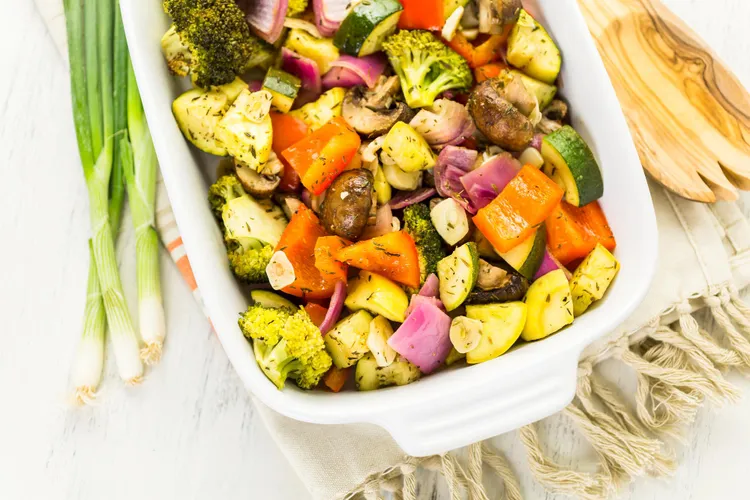
Plant-forward cooking produces less food waste than meat-centred cooking because the primary ingredients are shelf-stable or freeze well. Tinned legumes, dried pulses, frozen vegetables, and spices don't expire on a weekly schedule. Cooked grains and legumes freeze for up to three months. Roasted vegetables last 4-5 days refrigerated. The only genuinely perishable components are fresh vegetables and herbs, and these can be managed through the week by using the most delicate items (leafy herbs, tender greens) early and the more robust items (root vegetables, brassicas) later.
A wilted herb doesn't need to be thrown away - it can be blended into a sauce or dressing, dried quickly in a low oven, or turned into an herb oil (blend with olive oil, freeze in ice cube trays). A slightly soft courgette or tomato is ideal for a cooked application - soup, dal, or roasted vegetable dish - rather than a fresh salad. The habit of using imperfect produce in cooked dishes rather than discarding it is both budget-efficient and plant-diversity-positive. For the full framework of the challenge including how to build the pantry that supports this approach, the pantry guide and challenge overview are the references.
Seasonal Budget Buying by Quarter
Seasonal buying isn't just about nutrition - it's the most reliable way to keep the fresh vegetable budget under control while maintaining plant diversity. Prices for in-season produce are typically 30-50% lower than out-of-season equivalents. A practical quarterly guide for UK shoppers: January-March focus on roots (carrots, parsnips, swede, celeriac), brassicas (cabbage, kale, sprouts), and storage alliums (onion, leek, garlic) - all under £1 per kg. April-June: asparagus, spinach, watercress, spring onions, new potatoes, rhubarb - brief seasons with good prices. July-September: courgette, tomatoes, sweetcorn, broad beans, peas, cucumber, salad leaves - the most diverse fresh produce season, cheapest prices. October-December: squash, parsnip, celeriac, mushrooms, beetroot, leeks, apples, pears - robust storage vegetables that keep well and stay cheap through winter. Each quarter offers 8-12 cheap fresh plant options that don't appear at the same price the rest of the year. Working with the season rather than against it is the single most effective budget strategy for plant diversity. The full challenge guide shows how seasonal buying integrates with the complete plant diversity system.
The Long-Term Budget
Once the pantry is established - approximately 4-6 weeks into the challenge - the weekly spend for plant diversity maintenance is largely the fresh produce and perishable top-ups. The spices, dried pulses, mixed grains, frozen items, and tinned legumes are restocked on a monthly or longer cycle. A person eating 35 plants per week on a well-managed plant-forward diet typically spends £25-35 per week for one person or £40-55 for two - comparable to or lower than a meat-centred diet of equivalent nutritional quality. The plant diversity habit and the budget habit are compatible by design. The full framework for making this work across a complete week is in the challenge overview.
Shopping List Summary
The core weekly fresh shop for one to two people hitting 30 plants on a budget: 1 bag mixed salad leaves, 1 head broccoli, 1 bag carrots, 1 bag onions, 1 bulb garlic, 2 sweet potatoes, 1 courgette or aubergine, 1 punnet cherry tomatoes, 1 bunch bananas, 4 apples, 1 bag mixed frozen berries, 1 bag mixed frozen vegetables, 1-2 tins mixed beans, 1 tin chopped tomatoes. Total: approximately £15-18 fresh and frozen. Add pantry items as needed (spices, mixed grains, seeds, lentils) on a monthly restocking basis. This shop, combined with the pantry from the pantry guide, consistently produces 30+ plant weeks for under £40 total including all pantry costs amortised across the month. For the complete system, the challenge overview brings everything together. The budget approach outlined here demonstrates that plant diversity and financial constraint are compatible. The most nutritionally diverse foods are consistently among the cheapest in any supermarket: dried pulses, tinned legumes, frozen vegetables, whole grains, and spices. Expensive branded products are not required and should be avoided as unnecessary spending that doesn't improve outcomes.
Budget-conscious plant diversity is achievable by anyone with access to a standard supermarket. The ingredients required are not premium or specialist. They are the cheap, shelf-stable, calorie-dense staples that have fed populations across the world for centuries: pulses, grains, seeds, spices, and seasonal vegetables. The 30-plant challenge does not require money; it requires attention to variety. For the full system, the challenge guide covers every element.
Latest