The 30-Plant-Week Challenge: How to Eat More Plants Without Overhauling Your Life
Research from the American Gut Project found that people who eat 30 or more different plants per week have significantly more diverse gut microbiomes than those who eat 10 or fewer. This guide explains what counts, how to track it, and how to hit the target on a flexitarian diet without making food complicated.

Thirty plants sounds like a lot. It isn't. Once you understand what counts - and the list includes herbs, spices, coffee, and dark chocolate - most people discover they're already at 15 to 20 without trying. The jump to 30 is mostly a matter of small switches: mixed seeds instead of one type, mixed grains instead of white rice, a three-bean tin instead of a one-bean tin. The diversity is the point, not the volume.
Why 30? The Research Behind the Number
The 30-plant target comes from the American Gut Project, one of the largest citizen science microbiome studies ever conducted. Researchers analysed gut microbiome samples from thousands of participants across multiple countries and found a clear threshold: people eating 30+ different plant foods per week had measurably higher gut microbiome diversity than those eating 10 or fewer - regardless of whether they were omnivores, vegetarians, or vegans. The type of diet mattered less than the diversity of plants within it.
Why does microbiome diversity matter? Different plant fibres feed different bacterial species. A gut with 500 species of bacteria is more resilient, more adaptable, and better at producing the short-chain fatty acids (butyrate, propionate, acetate) that protect the gut lining, regulate inflammation, and influence everything from immune function to mood. A gut with 150 species, fed on a narrow range of foods, can't do the same work. For the full science on what plant diversity actually does to your gut, the article on gut microbiome and plant diversity goes deeper.
What Counts as a Plant
The counting system used in most plant diversity frameworks follows a straightforward rule: each distinct plant species counts as one point, once per week. A complete breakdown is in the full plant diversity list, but the key categories:
- Vegetables: Each variety counts separately. Broccoli and cauliflower are both brassicas but they count as two plants.
- Fruits: Fresh, frozen, and dried all count. One banana = one point.
- Whole grains: Oats, quinoa, brown rice, barley, rye, spelt, farro, buckwheat - each counts as one.
- Legumes: Chickpeas, lentils, black beans, kidney beans, edamame - each counts separately.
- Nuts and seeds: Walnuts, almonds, pumpkin seeds, sunflower seeds, chia, flax - each counts.
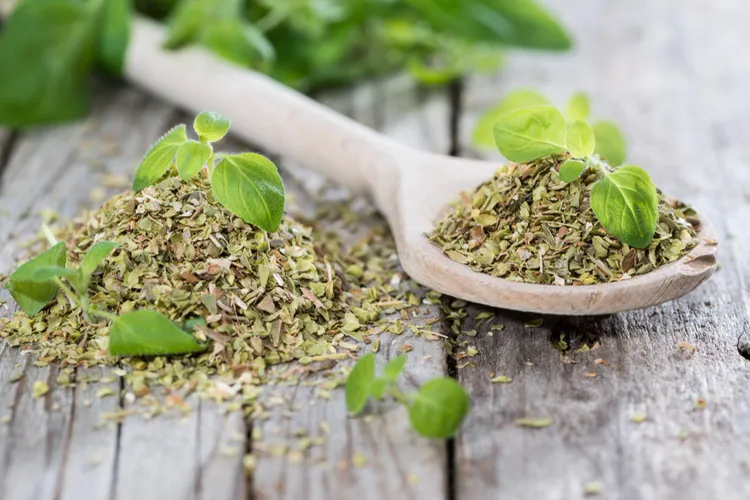
- Herbs and spices: Yes, they count. Cumin, turmeric, coriander, oregano, cinnamon - each counts as one plant. A curry powder blend containing 6 spices = 6 plants.
- Coffee and tea: Each counts as one plant per week (not per cup).
- Dark chocolate (70%+): Counts as one plant per week.
What doesn't count: juice (plant fibres are removed), refined grains (white rice, white pasta - the plant diversity is processed out), and repeated uses of the same plant. Eating broccoli on Monday and Wednesday still counts as one plant for the week.
The Weekly System: How to Actually Hit 30
Most people fail plant diversity targets not because they don't want to eat more plants, but because they use the same few plants on rotation. The fix isn't a complicated meal plan - it's a small set of structural habits that stack variety passively into meals you're already making. The full system is in the no-prep guide to hitting 30 plants, but the core logic:
- Use mixed products instead of single-ingredient ones: Mixed bean tins (3 legumes) instead of one tin of chickpeas. Mixed seed pouches instead of one bag of pumpkin seeds. Mixed grain packets instead of plain rice. Each swap adds 2-5 new plants with zero additional effort.
- Spice deliberately: A meal seasoned with cumin, coriander, turmeric, and smoked paprika has added 4 plants before you've chopped a vegetable. A curry spice blend with 8 spices adds 8 plants in one step. The article on using herbs and spices for plant diversity covers this in full.
- Front-load at breakfast: Overnight oats with mixed seeds, fruit, and a nut butter can hit 7-9 plants before 9am. High-plant breakfasts are the easiest leverage point in the whole week.
- Stack the pantry: A pantry built around plant-stacking staples makes hitting 30 almost automatic.
Use the weekly meal prep planner to build a full week of 30-plant meals automatically.
A Week in Plants: Sample Totals
A typical flexitarian week hitting 30+ plants looks something like this - not as a rigid meal plan, but to show how naturally the numbers accumulate:
Monday: Overnight oats (oats, chia, flax, mixed berries, almond butter) = 5 plants at breakfast. Lentil soup with carrot, celery, onion, cumin, coriander, bay leaf = 7 more. Running total: 12.
Tuesday: Mixed grain bowl with quinoa, roasted broccoli, chickpeas, tahini, lemon = 5 new plants. Coffee = 1. Total: 18.
Wednesday: Spiced black bean tacos with cabbage slaw, avocado, tomato, coriander, lime = 6 new plants. Dark chocolate = 1. Total: 25.
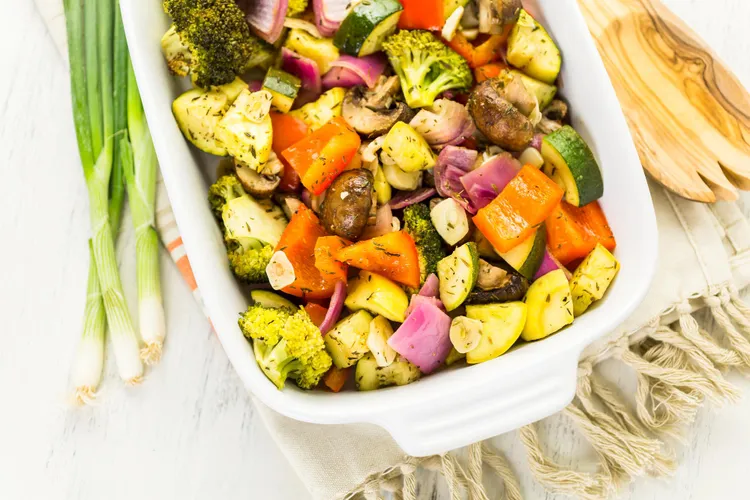
Thursday/Friday: A roasted vegetable tray with sweet potato, courgette, red pepper, red onion, garlic, dressed with olive oil and mixed herbs = 7 new plants. Total: 32. Done by Friday.
For a fully mapped week with every plant counted per day, the 7-day 30-plant meal plan is the most practical reference in this cluster.
The Budget Reality
The most plant-diverse foods are among the cheapest in the supermarket: dried pulses, tinned legumes, frozen vegetables, whole grains, seasonal fresh vegetables. Eating 30 plants a week does not require spirulina, exotic mushrooms, or a specialist health food shop. The article on budgeting for 30 plants a week builds a full shopping list for under £40, using nothing that isn't available in a standard supermarket.
The trap to avoid: expensive supplement powders, seed mixes from wellness brands, and anything marketed specifically at the 30-plant trend. A bag of mixed seeds from the baking aisle is the same product as a branded 'diversity mix' at three times the price.
Is Meat the Problem?
No. The American Gut Project data showed no significant difference in microbiome diversity between flexitarians, vegetarians, and vegans who all hit 30+ plants. The diet type wasn't the variable - the plant diversity was. A flexitarian eating 35 different plants per week alongside some chicken and fish has a more diverse microbiome than a vegetarian eating the same 12 plants on rotation. The challenge is intentionally not anti-meat. It's pro-plant-variety.
What the research does suggest is that ultra-processed foods - regardless of whether they contain meat - correlate with reduced microbiome diversity, likely because they displace the fibre-rich whole foods that feed gut bacteria. The contrarian take on this, and why the 30-plant challenge succeeds where most dietary frameworks fail, is in the piece on why the 30-plant challenge is more forgiving than any diet you've tried.
Tracking: Enough to Help, Not So Much That It Becomes a Job
You don't need an app. A running note on your phone works - add each new plant as you eat it on Monday morning, keep it open through the week, stop counting when you hit 30. Most people find they hit 30 by Wednesday or Thursday once they've built the structural habits; after that, tracking becomes a check-in rather than a project.
If you want to track more closely in the first few weeks, the approach in the practical weekly system includes a simple tracker structure. After 3-4 weeks, the habits are in place and tracking becomes optional.
Where to Start
The fastest entry point is the pantry. Swap out single-ingredient items for mixed versions, add a spice blend you don't currently use, and replace plain rice with a mixed grain packet. These three changes alone add 8-12 new plants to your week with no new cooking and no additional prep time. From there, the breakfasts and lunch bowls in this cluster build the rest of the habit progressively.
Start with the plant diversity pantry guide to set the foundation, then use the full meal plan as a reference for your first week.
Common Questions
Do I need to hit exactly 30? No. The 30-plant target is a statistical threshold from the American Gut Project, not a medical prescription. 28 plants is not meaningfully different from 32. The direction matters - more diversity is better - and 30 is a useful target because it's specific enough to work toward. Treat it as a weekly aim, not a pass/fail test.
Does organic matter? Not for the plant diversity count, and the evidence for differential gut microbiome effects of organic vs conventional produce is weak. The fibre and polyphenol content of organic and conventional vegetables is not significantly different. Spend the money on variety rather than on organic certification if budget is a constraint.
What about plant-based protein powders? Processed protein isolates - pea protein powder, soy protein isolate - don't count. The plant has been processed to the point that the fibre (which feeds the microbiome) is largely removed. Eat the whole food: lentils, edamame, chickpeas, tempeh. The protein content is comparable and the fibre comes with it.
Can children do this? Yes. The dietary diversity principle applies across age groups, and the habit of exposing children to a wide variety of plant flavours and textures from an early age has benefits beyond gut health - it's associated with less fussy eating and better long-term dietary diversity. The same structural habits (mixed grain products, spice-light versions, varied fruit) apply.
The Social Eating Question
The challenge is designed to survive social eating. If you're at a barbecue where the food is meat and potato salad, you eat the meat and potato salad. A mixed green salad on the side - if available - adds 2-3 plants. A typical social meal in a restaurant where you have menu choice is usually an opportunity for 5-8 plants if you navigate towards the more plant-varied options. This isn't prescriptive - it's just the observation that most menus have options that are more plant-diverse than others, and choosing between a plain pasta and a grain bowl salad doesn't require any explanation or dietary declaration.
The challenge works week-to-week. A social weekend where diversity drops is followed by a weekday run where habits kick in. The piece on why the challenge is more forgiving than any diet you've tried covers this flexibility in detail.
Getting Started: The Three-Step Entry
Step 1: This week, do nothing different except swap single-ingredient products for mixed versions where you can. Mixed grain oats instead of plain. Mixed bean tin instead of one species. Mixed seeds instead of pumpkin seeds only. Count your plants on Friday and see where you land.
Step 2: Next week, add the spice stacking habit. Before any savoury cooking, add 4-5 spices to the dish. Count again Friday.
Step 3: Week three, optimise breakfast using the formats in high-plant breakfasts. By this point most people are consistently above 30 and the tracking becomes a check-in rather than a primary focus.
A Note on Tracking Tools
Several apps have emerged around the 30-plant challenge, some branded, some generic. Most are unnecessary. The core tracking need is a numbered list that you add to across the week - a phone note, a paper pad on the kitchen counter, or a whiteboard on the fridge. The act of adding each plant as you eat it is itself part of the habit formation: the pause to note it reinforces awareness of what you're eating. Apps that auto-track or estimate from meal logging remove this deliberate step and tend to produce less accurate counts. The manual list, kept simple, works better for most people in the habit-building phase.
If you want a visual tracker for the first few weeks, a simple grid - 30 boxes, one per plant - gives you a satisfying progress indicator. Print one per week and keep it on the fridge. Cross off each box as you eat a new plant. When all 30 are crossed off, you're done for the week. Many people find this format more motivating than a list because the completion is visually obvious. After 4-6 weeks, tracking becomes optional because the habits have been installed. That is the goal of the tracking, not the tracking itself.
Maintaining the Habit Long-Term
The structural habits behind the 30-plant challenge - mixed products, spice stacking, plant-dense breakfasts, grain bowl lunches - are not temporary interventions. They are permanent changes to the way food is bought and cooked. Once installed through 4-6 weeks of active tracking, they continue producing plant diversity without requiring conscious effort. The microbiome benefits of sustained dietary diversity accumulate over months and years, not just weeks. A person who eats 35 plants per week for two years has a substantially more diverse and resilient gut microbiome than one who did it for a month. The challenge is the starting point; the lifetime habit is what produces lasting benefit. For everything needed to begin, the pantry guide, the practical system, and the 7-day meal plan together cover the complete entry process.
Latest