The 30-Plant Pantry: 15 Staples That Make Diversity Easy
A well-built pantry makes hitting 30 plants almost automatic. These 15 items - all standard supermarket products, none requiring specialist shopping - passively stack 20-25 plants into your week before you've made a single recipe decision.
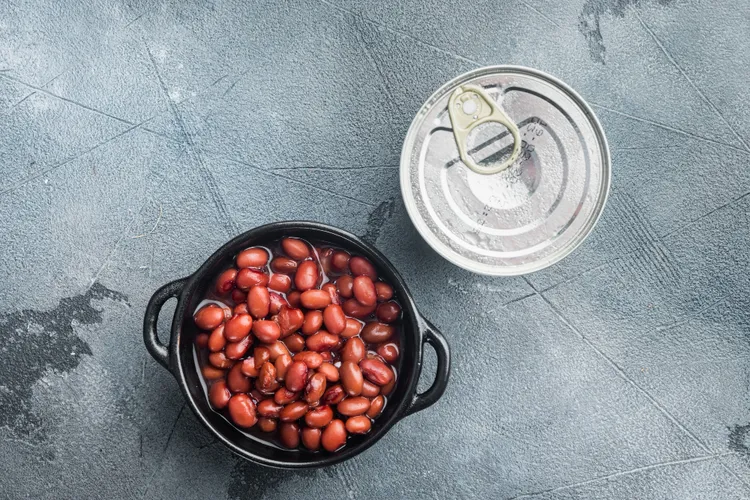
The pantry is where plant diversity is won or lost before you've bought a single fresh ingredient. A pantry built around single-ingredient products (one type of rice, one type of bean, one type of seed) requires intentional effort to diversify every meal. A pantry built around mixed and multi-plant products adds variety passively, as a baseline. The 15 items below aren't a prescriptive shopping list - they're the categories that most reliably deliver plant diversity across every meal format without requiring complex cooking or unusual ingredients.
The 15 Staples
1. Mixed Grain Porridge Base
A blend containing oats, rye flakes, barley flakes, and sometimes spelt or buckwheat. Available at most supermarkets as 'jumbo mixed grain oats' or similar. Replaces plain oats in any porridge or overnight oats recipe, adding 3-4 grains for the same cost and prep time. Used 3-4 times per week at breakfast, this single swap adds 3 new plants to your weekly total with zero effort. Also works as a base for energy balls, crumbles, and homemade granola.
2. Mixed Bean Tins
A standard mixed bean tin contains 3-4 species: typically chickpeas, kidney beans, cannellini beans, and borlotti or black-eyed beans. One tin = 3-4 plants. Stock 3-4 tins and rotate with single-species tins (chickpeas, black beans, green lentils) to maximise variety across the week. Used in stews, soups, grain bowls, and salads. The West African Slow Cooker Chickpea Curry is a strong model for how one legume dish can carry a large number of plant species across its spices and vegetables.
3. Dried Red Lentils
The fastest-cooking legume in the pantry - no soaking required, ready in 20 minutes. One bag lasts months. Used as a base for soups and dals, added to bolognese-style sauces to bulk them out, stirred into vegetable curries. Distinct from tinned lentils and distinct from green or Puy lentils - each counts as a separate plant. Provides soluble fibre (prebiotic for Bifidobacteria), protein (18g per 100g dried), and iron.
4. Mixed Seeds
A blend of pumpkin, sunflower, sesame, linseed/flax, and chia seeds - available in the baking aisle of most supermarkets, cheaper per gram than the same seeds sold separately or in branded pouches. A single tablespoon on breakfast adds 4-5 plants. Stored in the fridge once opened (the oils in seeds can go rancid at room temperature). Uses: scattered over breakfast bowls, salads, and soups; added to overnight oats; pressed into homemade crackers; used as a coating for baked tofu or fish.
5. Mixed Nuts
A bag of mixed unsalted nuts (walnut, almond, cashew, hazelnut, Brazil) adds 5 plants with one purchase and lasts 2-3 weeks. Used as snacks, chopped into breakfast bowls, blended into sauces, added to grain bowls. Walnuts specifically are among the most studied foods for gut microbiome benefit, associated with increased diversity in multiple clinical trials. Keep at room temperature in a sealed container; refrigerate in warm weather.
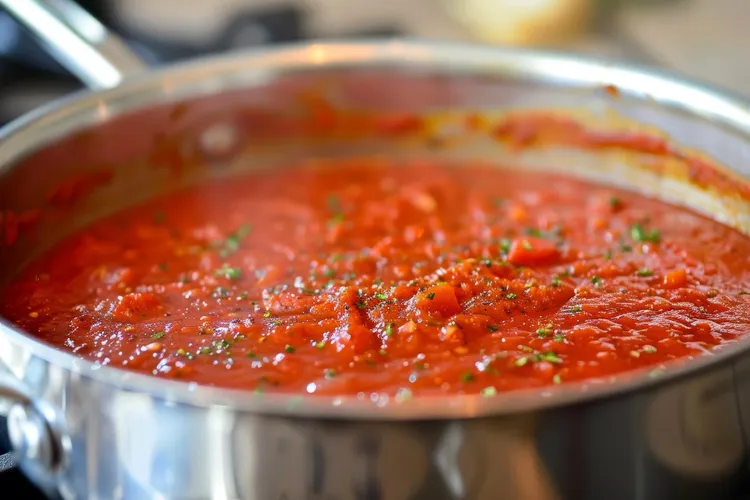
6. Tinned Tomatoes
One plant, but a foundational one. The base of soups, stews, pasta sauces, and curries. Tinned tomatoes have higher bioavailable lycopene than fresh tomatoes (the cooking process increases bioavailability of lycopene, the carotenoid associated with tomato's health benefits). Buy whole plum tomatoes for texture, chopped for convenience. Passata counts as the same plant.
7. A Curry Spice Blend or Garam Masala
A single jar of garam masala typically contains coriander seed, cumin, cardamom, cinnamon, cloves, black pepper, and nutmeg = 7 plants in one tablespoon. A standard curry powder adds cumin, coriander, turmeric, fenugreek, mustard seed, and black pepper = 6 plants. Used in any dish with Indian or South Asian flavour profile, or simply added to roasted vegetables and grain bowls. Replenish every 6-9 months as spices lose potency. For the full case for spice stacking, the article on herbs and spices for plant diversity breaks down the most efficient blends.
8. Ground Cumin and Coriander (Separately)
Even with a curry blend in the pantry, having cumin and ground coriander separately allows their use outside curry contexts - in Middle Eastern dishes, Mexican-inspired meals, roasted vegetables, and grain bowl dressings. Two more plants that appear in a wide range of cuisines and can be used in small quantities across many meals through the week.
9. Smoked Paprika
One of the most versatile spices in the pantry. Adds a smoky depth to roasted vegetables, legume stews, grain bowls, and dressings without heat. A different plant from sweet paprika (same Capsicum annuum, but the smoking process produces distinct flavour compounds). Used in Spanish, Mexican, and Eastern European cooking. A 70g jar costs under £1 and lasts months.
10. Frozen Mixed Berries
A 500g bag of mixed berries (typically strawberry, raspberry, blueberry, blackcurrant) = 4 plants per bag, kept frozen for weeks. Used in breakfast bowls, overnight oats, smoothies, and as a quick compote (warm gently with a splash of water for 5 minutes). Berries are among the highest-polyphenol foods - the anthocyanins in berries are specifically associated with beneficial shifts in Bifidobacteria populations. Frozen is as nutritious as fresh and significantly cheaper.
11. Frozen Edamame
Shelled frozen edamame (immature soya beans) is one of the easiest high-protein, high-fibre plant additions to keep stocked. Cooks from frozen in 5 minutes. Used cold in grain bowls and salads, warm as a side, or blended into a simple dip with garlic and olive oil. Distinct from tinned chickpeas, kidney beans, and lentils - a different legume species adding another plant to the week. Also one of the few plant foods containing all nine essential amino acids.
12. Oat Crackers or Rye Crispbreads
A reliable source of 1-2 whole grains at snack time or with lunch. Rye crispbreads provide a different grain than any other staple on this list, with a notably high fibre content (~17g per 100g). Eaten with nut butter, hummus (chickpea), or avocado - each of which adds another plant. The combination of rye crispbread + peanut butter + banana = 3 plants in a 2-minute snack.
13. Nut Butter (Rotate Varieties)
Peanut butter is the default - it's the cheapest and most available. But rotating between peanut butter, almond butter, tahini (sesame), and cashew butter adds different plants across the weeks and provides different fatty acid profiles and micronutrients. One jar of each, used on rotation, costs less than £10 total and lasts a month or more. Tahini is particularly useful as a base for dressings and sauces across Middle Eastern and Asian dishes.
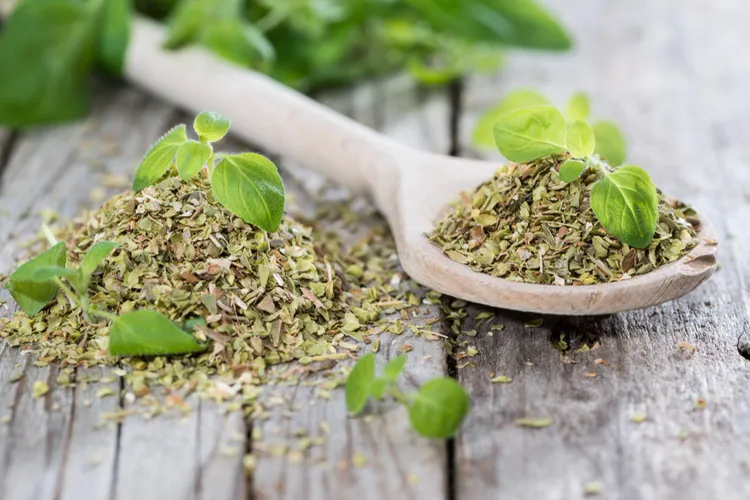
14. Dried Herbs (Thyme, Oregano, Bay Leaf)
Three distinct plants that can be added to almost any long-cooked dish - soups, stews, tomato sauces, braised legumes - at negligible cost. Bay leaf in particular is added to pulse cooking liquid to improve digestibility and add depth. Dried thyme and oregano survive long cooking better than most dried herbs and are used in Italian, Greek, French, and Middle Eastern cuisines. Combined, they add 3 plants across any week in which you cook a single soup or stew.
15. Apple Cider Vinegar or Miso Paste
Either one functions as a flavour-depth and microbiome-supporting pantry staple. Miso paste (fermented soya + rice or barley) adds 2-3 plants and beneficial bacteria in one tablespoon, used in dressings, marinades, soups, and sauces. Apple cider vinegar contains the fermented plant (apple) and adds acidity to dressings and marinades. Both are fermented foods that support microbial diversity directly, not just via prebiotic fibre. Keep miso refrigerated once opened; it lasts 6+ months.
The Pantry Plant Count
These 15 staples deliver, conservatively: 3 (mixed grains) + 4 (mixed beans) + 1 (lentils) + 5 (mixed seeds) + 5 (mixed nuts) + 1 (tomatoes) + 7 (curry blend) + 2 (cumin/coriander) + 1 (paprika) + 4 (frozen berries) + 1 (edamame) + 2 (rye crispbread) + 2 (nut butters) + 3 (dried herbs) + 3 (miso or ACV) = 44 distinct plants before a single fresh vegetable or fruit is bought. That's the floor; the ceiling is higher as you rotate varieties. For how to use this pantry across a full week of meals, the 7-day 30-plant meal plan shows every plant counted per day, and the complete challenge guide covers the system from start to finish.
Rotating and Refreshing the Pantry
The risk with a well-stocked pantry is falling into the same rotation. If you always reach for the same curry blend, the same mixed seed bag, and the same mixed bean tin, you're getting consistent diversity but not expanding it. Rotating within categories maintains and builds on the diversity gains:
Each month, replace one spice blend with a different one: garam masala this month, ras el hanout next, baharat the month after. Try a legume species you don't usually buy: black-eyed peas instead of chickpeas, Puy lentils instead of red lentils. Swap one nut butter: cashew butter instead of peanut, or tahini for a week. These small rotations add new plants to the week without changing the structural habits that are already working.
Pantry Organisation for Daily Use
The pantry delivers diversity only if you actually reach for the items in it. Organisation matters more than most people think. Keep the mixed seeds, nut butter, and mixed nuts at eye level and within easy reach - they're the most frequently used pantry items for plant diversity and need to be grabbable without thinking. Store spice jars together in one location so you can see all of them when you're cooking and reach for multiple at once. Keep tinned legumes and mixed beans at the front of the shelf, not buried behind other items.
The grain bowls in the grain bowl guide and the breakfast formats in the breakfast guide are both built primarily from pantry items - the goal is that a high-diversity meal can be assembled from pantry alone, without a dedicated shopping trip, on any given day. A pantry organised for accessibility makes this achievable. The full challenge framework is in the 30-plant-week challenge guide.
When the Pantry Runs Low: Minimum Viable Diversity
There will be weeks when the shopping hasn't happened, the fresh produce is gone, and the pantry is what you have. The minimum viable plant diversity week from pantry alone - assuming the 15 staples above are in stock - looks like this: mixed grain porridge with mixed seeds and frozen berries at breakfast (7-8 plants), mixed bean and tinned tomato soup with dried herbs and garam masala for lunch (8-10 plants), red lentil dal with frozen vegetables and spice base for dinner (10-12 plants). That's a full day of 25-30 plants from pantry and freezer, with no fresh shopping required. The pantry isn't just a convenience layer - it's the resilience layer that keeps plant diversity high even in the absence of fresh produce.
The goal is to never have a low-plant week because the shops were missed or fresh ingredients ran out. The 15 staples above, kept consistently stocked, make that outcome essentially impossible. For how the pantry connects to the complete 30-plant challenge system, the challenge overview covers the full weekly approach.
The First-Week Pantry Build
If you're starting from scratch, building the full pantry in one shopping trip costs approximately £35-50 depending on what you already have. The priority order for first-week purchase: mixed grain oats, mixed seeds, mixed bean tins, a curry spice blend, smoked paprika, cumin and coriander ground, frozen mixed berries, tinned tomatoes, red lentils, and one nut butter. This subset of the 15 staples costs approximately £20-25 and covers the structural base for the first week's plant diversity. Add the remaining items (mixed nuts, rye crispbreads, frozen edamame, dried herbs, miso) over the following two weeks as existing stock runs out and is replaced with diversity-optimised versions. The pantry doesn't need to be built in one go - it's built incrementally by replacing single-ingredient products with mixed versions as they're consumed. Four to six weeks of deliberate replacement produces a pantry that passively generates 40+ plants per week as a baseline. For the complete system this pantry supports, the 30-plant challenge guide covers the full weekly approach.
Latest