What to Do With Basil Stems Instead of Composting Them
Basil stems carry real flavor and get thrown away by default. Here's how to use them in stock and pesto instead.
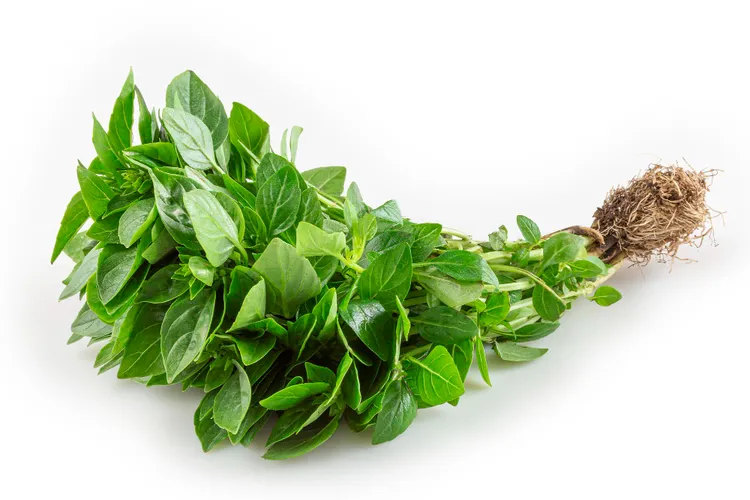
By weight, a basil plant is often more stem than leaf, especially once stems start toward flowering. Most of that stem gets stripped off and composted without a second thought, which throws away a meaningful amount of the plant's flavor along with it.
Why Stems Are Worth Keeping
The softer upper stems, the part nearest the newest growth, carry a similar aromatic profile to the leaves themselves, just slightly milder and with a bit of texture. The thick, woody lower stems near the base of the plant are tougher and less pleasant to eat directly, but they still hold enough flavor to be worth infusing rather than composting outright.
Sorting stems into these two categories, soft upper stems versus tough lower stems, determines how you use them.
Use 1: Stock and Broth Infusions
Both soft and tough basil stems work well added to a simmering stock or broth, since they're strained out at the end anyway and texture doesn't matter. Add a handful of stems to a pot of vegetable or chicken stock during the last 15 to 20 minutes of simmering, then strain as usual. This adds a subtle herbal background note that plain stock lacks, and it's a genuinely free way to use up stems that would otherwise be discarded.
This works particularly well in a tomato-based soup or sauce base, where basil's flavor is already a natural fit; see Tomato and Basil Recipes for Peak Summer Harvest for pairing ideas.
Use 2: Stem-Heavy Pesto
Soft upper stems can go straight into a food processor along with the leaves for a standard pesto recipe; they blend in seamlessly and add body without any bitterness. For a stem-forward version, increase the proportion of stems to roughly a quarter of the total volume of basil going into the batch, still mostly leaves, but stretching the leaf supply further using stems that would otherwise be discarded.
See Classic Basil Pesto (and 3 Variations for a Glut) for the base recipe; the stem addition works with any of the three variations covered there.
Use 3: Infused Oil or Vinegar
Stems, especially the tougher lower ones, work well in basil oil or basil vinegar since both methods strain out the solid plant matter at the end, meaning texture is a non-issue. Add stems alongside leaves when making either Basil Oil or Basil Vinegar, using roughly the same volume ratio as you would for leaves alone.
What Not to Bother Saving
Very woody, thick stems near the base of an older plant, especially ones that have gone slightly brown or fibrous, aren't worth the effort. These have lost most of their aromatic oil and are genuinely better composted than processed. The stems worth saving are green, flexible, and snap rather than tear when bent, a sign there's still moisture and flavor in them.
A Genuinely No-Waste Approach
Using stems alongside leaves means a single harvest goes noticeably further than treating stems as automatic waste. Combined with the storage and preservation methods covered in the Basil Glut Guide, this closes most of the gap between what a basil plant produces and what actually ends up used in the kitchen.
The Cost-Per-Meal Argument for Using Stems
Basil, whether grown at home or bought fresh at a store, isn't a cheap herb by weight compared to something like parsley. Every stem thrown away without a second thought is effectively wasted cost, whether that cost is money at checkout or the water, time, and space invested in growing it. Treating stems as a usable byproduct rather than a discard changes the math on a glut meaningfully, especially across a full growing season where the stem weight adds up across dozens of harvest sessions.
Building a Stem Collection Over Time
Rather than deciding what to do with stems at the moment of each harvest, keep a bag in the freezer specifically for stem collection. Add trimmed stems to it every time you cook with basil leaves, whether that's a single dinner or a full preservation session. Once the bag has a reasonable volume, a cup or more, use it for a stock infusion or a batch of stem-heavy pesto rather than trying to use each small addition individually.
Stems in Other Applications
Beyond stock, pesto, oil, and vinegar, chopped soft stems can be added to a stir-fry or sauteed dish anywhere a recipe calls for basil added early rather than as a raw finish, since stems hold up to heat slightly better than leaves. They won't work as a raw garnish, but in a cooked application where texture is less delicate, they contribute real flavor without waste.
Common Mistakes
- Using overly woody stems in a pesto or salad-adjacent recipe. Tough, fibrous stems can create an unpleasant stringy texture even when finely processed. Reserve those for strained applications like stock, oil, or vinegar, where the solid stem matter is removed at the end.
- Discarding stems that still have visible leaves attached. Small leaves along a stem are easy to miss when stripping larger leaves off for a recipe. A quick second pass over trimmed stems often recovers usable leaf material that would otherwise be thrown out.
- Storing stems wet. Like leaves, stems stored with residual moisture from washing spoil faster than ones that were patted dry first.
Frequently Asked Questions
Do basil stems taste bitter?
Soft upper stems generally don't taste noticeably bitter. Very tough, older lower stems can have a slightly more vegetal, less sweet flavor than the leaves, which is part of why they're better suited to strained applications than direct eating.
Can I compost basil stems if I don't want to use them?
Yes, composting is a reasonable choice for genuinely woody, past-their-prime stems. The point of this guide is to use what's still usable, not to eliminate composting entirely.
How long can I keep stems in the freezer before using them?
A few weeks is reasonable without much quality loss, since they'll be strained out and discarded after infusing regardless. Beyond a couple of months, flavor starts to fade meaningfully, similar to other frozen basil products.
Tips for Success
Rinse stems the same way you would leaves, and pat dry before adding to oil or vinegar to avoid introducing extra water. If saving stems for a later stock session, they can be frozen in a bag for a few weeks without much quality loss, since they'll be strained out and discarded after infusing anyway. Working a stem-stock session into an upcoming meal plan, timed around a soup or sauce night, is a simple way to make sure the collected stems actually get used rather than sitting in the freezer indefinitely.
Latest