Best Coffee Beans for Cold Brew Concentrate
Which roast levels and bean characteristics actually hold up to a 12 to 24 hour cold steep, and why some beans that taste great hot turn flat or muddy cold.
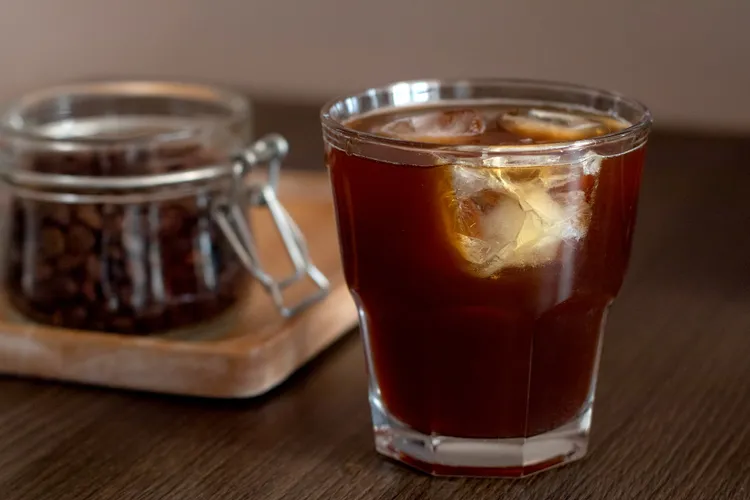
Not every coffee performs the same way in a long, cold steep. A bean that tastes bright and complex as a hot pour-over can taste flat or one-dimensional as cold brew, while a bean that seems unremarkable hot can turn genuinely excellent once it's had 18 hours of cold extraction to develop chocolatey, nutty depth. Knowing what to look for saves you from buying an expensive bag that just isn't suited to this method.
Roast Level: Why Medium to Dark Generally Wins
Cold extraction doesn't pull out delicate, high-toned flavor notes as effectively as hot extraction does, which is part of why light roasts - prized for their bright, complex, often fruity or floral character when brewed hot - tend to taste comparatively flat and one-note as cold brew. Medium and medium-dark roasts, which lean into chocolate, caramel, nut, and toasted flavor notes rather than bright acidity, translate much more successfully into a cold steep. This isn't a hard rule, and some cold brew specialists do use light roasts successfully, but if you're new to making your own concentrate, medium to medium-dark is the safer, more reliably satisfying starting point.
Why Light Roasts Struggle More With Cold Extraction
Light roasts retain more of the bean's original acidity and delicate aromatic compounds, both of which are exactly the characteristics that cold extraction is worst at preserving and best at muting. The result is often a cup that tastes sour or thin rather than bright, since the acidity comes through without the complexity that balances it in a hot brew. Dark roasts, on the other hand, have already broken down a lot of their acidity and delicate compounds through the roasting process itself, leaving behind the bolder, more roast-forward flavors that cold extraction handles well.
Origin Characteristics Worth Knowing
- Central and South American beans (Brazil, Colombia, Guatemala): Generally nutty, chocolatey, and lower in acidity even before roasting - a reliable, widely available choice for cold brew.
- Indonesian beans (Sumatra, Sulawesi): Earthy, full-bodied, and naturally low-acid, a favorite among dedicated cold brew drinkers for the bold, heavy character they bring.
- African beans (Ethiopia, Kenya): Typically brighter and more acidic even at darker roasts, which can work well if you specifically want a livelier cold brew, but are more likely to taste sour if under-extracted or brewed too light-roast.
Blends vs Single Origin
Blends specifically labeled for cold brew are usually built with this method's requirements already in mind - lower acidity, medium-dark roast, chocolate and nut-forward - and are a safe, low-effort choice if you don't want to research individual origins. Single-origin beans can produce genuinely excellent, more distinctive cold brew, but it's worth checking the roast level and reading a bit about the origin's typical flavor profile before committing a full bag to a method that might not suit it.
Freshness Matters More Than You'd Expect
Coffee that's been ground and sitting for a while, or beans that are well past their roast date, lose aromatic complexity that cold extraction already struggles to capture in full. This effect compounds with cold brew specifically, since you're already working with a method that pulls out less of the beans' more delicate character than hot brewing does. Buying whole beans and grinding them close to when you're actually steeping, ideally within a few weeks of the roast date, makes a real difference in how much flavor survives the process.
Decaf Cold Brew
Decaf beans work perfectly well for cold brew using the same ratios and steep times as regular coffee - the decaffeination process itself doesn't meaningfully change how the bean behaves during cold extraction. If you're brewing decaf specifically, look for the same medium to medium-dark roast characteristics recommended above, since the roast level matters more to cold brew's flavor outcome than whether caffeine is present.
Should You Avoid Flavored Coffee
Pre-flavored beans (vanilla, hazelnut, and similar) generally aren't the best choice for cold brew, since the flavoring oils are typically calibrated for hot brewing and can taste artificial or overly perfumed once extracted cold over many hours. If you want a flavored cold brew, it's usually more successful to use a straightforward medium roast and build the flavor in yourself during the steep - see our flavor variations guide for how to do this with real vanilla, cinnamon, or cocoa.
Testing a New Bean for Cold Brew
If you're trying a bean you haven't used for cold brew before, brew a smaller test batch first rather than committing a full bag, using your standard ratio and a mid-range steep time around 16 to 18 hours. This gives you a real read on how that specific bean performs cold before you invest in a larger batch, and it's a much cheaper way to learn a bean's cold brew character than guessing based on how it tastes hot.
How Much Bean Quality Actually Matters at This Price Point
Cold brew's long extraction and eventual dilution mean it's somewhat more forgiving of a mid-range or budget bean than a method like pour-over, where every subtle quality difference shows up clearly in the cup. That said, genuinely stale or low-quality coffee still produces a noticeably worse result, just flatter and more one-dimensional rather than obviously "bad." A reasonably fresh, mid-range bag from a roaster that lists a roast date is a solid, cost-effective choice for regular cold brew, and it's not necessary to reach for a specialty single-origin bag every time to get a genuinely good result.
Buying Whole Bean vs Pre-Ground for Cold Brew Specifically
Whole beans, ground just before steeping, preserve more aromatic complexity than pre-ground coffee, which starts losing flavor to oxidation within days of grinding. If you make cold brew regularly enough to justify the extra few minutes of grinding each time, whole beans are the better choice. If convenience matters more, pre-ground coffee specifically labeled for cold brew is a reasonable compromise, since it's at least ground to the right coarseness even if it's already lost some freshness by the time you buy it.
Adjusting Your Approach Based on What's Available
Not everyone has easy access to a wide selection of roasts and origins, and that's fine - the general guidance here (medium to medium-dark roast, lower acidity where possible) is meant to point you toward a reliably good starting point, not to suggest you need a specialty coffee shop nearby to make decent cold brew. A standard grocery store medium roast, properly ground and brewed with the right ratio and steep time, produces a genuinely satisfying result, and the technique matters considerably more than the specific bean in most cases.
Reading a Bag's Tasting Notes With Cold Brew in Mind
Roasters typically print tasting notes on the bag describing how the coffee tastes when brewed hot, using their intended method, which is worth keeping in mind since those notes may not translate directly to a cold steep. A bag described as "bright, citrusy, floral" is telling you it's likely a lighter roast that may underwhelm cold, while notes like "chocolate, caramel, low acidity, full body" are a strong signal that the bean will hold up well to cold extraction. Use these notes as a rough filter when choosing a bag specifically for cold brew, even though they weren't written with this method in mind.
Trying a New Bean Without Overcommitting
If you want to experiment with a bean you're unsure about, many roasters and grocery stores sell smaller bag sizes specifically for this kind of trial, and it's worth buying the smaller option the first time you try an unfamiliar origin or roast for cold brew rather than committing to a large bag before knowing how it performs. This keeps the cost of an experiment that doesn't work out low, while still giving you enough coffee for a genuine test batch and an honest read on whether it's worth reordering.
How Roast Date Affects Your Decision at the Store
When choosing between two otherwise similar bags at a store or online, prioritize the one with the more recent roast date over one that's been sitting longer, even if the second bag is a variety you're more excited about. A fresher medium roast will generally outperform a stale specialty bag in the actual cup, and this matters even more for cold brew specifically, since the method already extracts less aromatic complexity than hot brewing, leaving even less room to compensate for a bean that's already lost some of its character to staling.
Building a Rotation of Go-To Beans
Once you've found one or two beans that consistently perform well for your cold brew routine, it's worth keeping them as reliable defaults you return to, while still leaving room to try something new occasionally. This mirrors how a lot of home cooks settle into a small rotation of trusted pantry staples rather than reinventing their approach every time - having a dependable go-to bean removes one more variable to think about on a normal week, freeing up any experimentation for when you actually want it rather than needing it just to get a decent batch.
A Final Word on Trusting Your Own Palate
All of the general guidance in this article, medium to medium-dark roast, lower acidity origins, chocolate and nut-forward flavor notes, is meant as a well-informed starting point, not a rulebook that overrides your own taste. Some drinkers genuinely prefer a brighter, more acidic cold brew and deliberately choose lighter roasts despite the general guidance pointing elsewhere. If you've tried the recommended starting point and still find yourself preferring something different, trust that preference over the general advice - the entire point of understanding why certain beans tend to work better is so you can make an informed deviation, not so you feel locked into one narrow path.
A Note on Ethically and Sustainably Sourced Coffee
If sourcing matters to you beyond just flavor, look for bags with direct trade, fair trade, or similar certifications, which are widely available across roast levels and origins suited to cold brew. None of the roast or origin guidance above conflicts with choosing an ethically sourced bag, since these certifications appear across the full range of medium and medium-dark roasts recommended here, so you're not forced to choose between good cold brew and thoughtful sourcing.
One More Practical Reminder
When in doubt at the store, a bag simply labeled "cold brew blend" from a reputable roaster is a safe, low-effort choice that's already been calibrated with this method's requirements in mind, and it's a perfectly reasonable default any time you don't want to think through roast level and origin from scratch.
If you take away just one piece of guidance from this article, let it be this: reach for a medium to medium-dark roast with low-acid, chocolate or nut-forward tasting notes as your default, and treat lighter, brighter roasts as a more advanced experiment rather than a starting point. This single choice sets you up for a noticeably better result than grabbing whatever coffee happens to be on hand without any consideration of how it will actually perform over a 12 to 24 hour cold steep.
Putting Bean Choice Into the Bigger Picture
Bean selection is one of the few variables in this guide that's genuinely about taste rather than technique - there's no single correct answer, only a starting point (medium to medium-dark, lower acidity, chocolate or nut-forward) that's reliably successful while you figure out your own preferences. Once the ratio, grind, and steep time are dialed in, experimenting with different beans is one of the most enjoyable ways to keep refining your cold brew, and it's an area where a bit of curiosity genuinely pays off in a more personalized, satisfying cup over time, without ever requiring you to abandon the reliable defaults covered here. Treat this guidance as a well-tested map rather than a fixed destination, and let your own palate be the final judge of where you end up. For the full process, see the complete cold brew concentrate guide.
Latest