The Mediterranean Diet Done Right: A Practical Beginner's Guide
The Mediterranean diet is not a weight-loss plan with rules and restrictions - it is a way of eating built around vegetables, legumes, whole grains, olive oil and fish, with meat and sweets as occasional additions. This guide explains what it actually involves, what the evidence says, and how to start eating this way without overhauling your kitchen.
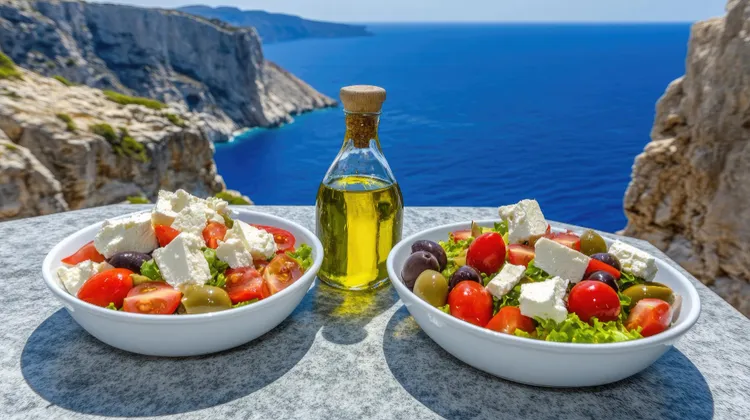
The Mediterranean diet has been studied more thoroughly than almost any other eating pattern, and the findings are consistent: people who follow it have lower rates of heart disease, type 2 diabetes, cognitive decline and certain cancers than people who do not. It is also, by most accounts, one of the most enjoyable ways to eat - which is probably why populations around the Mediterranean have been eating this way for centuries without being told to.
What the Mediterranean Diet Actually Is
The term was coined by American physiologist Ancel Keys in the 1960s after observing that populations in Greece, southern Italy and other Mediterranean countries had dramatically lower rates of cardiovascular disease than Americans despite - or, he argued, because of - diets high in fat. The diet he described was built around olive oil, vegetables, legumes, whole grains, fish and modest amounts of wine with meals. Red meat appeared rarely; dairy was mostly yoghurt and cheese rather than milk; sweets were for special occasions.
What it is not: a low-fat diet, a calorie-counting plan, a Mediterranean-flavoured spin on any existing diet framework, or a licence to eat large quantities of pasta and pizza and call it healthy. The grains and bread in a traditional Mediterranean diet are whole, the portions are moderate, and they are always accompanied by significant quantities of vegetables, legumes and olive oil.
The Core Food Groups
The easiest way to understand the structure of the diet is by frequency rather than by portion size or macros. The traditional Mediterranean diet pyramid puts plant foods at the base - eaten at every meal - and works upward through fish and seafood (at least twice a week), poultry and eggs (a few times a week), dairy (in moderation), and red meat and sweets (a few times a month at most).
The complete Mediterranean diet food list covers every category in detail, but the short version is this: if it grows from the ground, swims in the sea, or comes from a tree, it belongs at the centre of your plate. If it has a face and four legs, it belongs at the edge.
Olive Oil: The Foundation Fat
Olive oil is not just an ingredient in the Mediterranean diet - it is the primary fat source, used for cooking, dressing, dipping and finishing. Extra virgin olive oil is pressed from fresh olives without heat or chemical treatment and retains the polyphenols and antioxidants that give it its health properties. It is used generously, not sparingly: in traditional Mediterranean cooking, olive oil is measured in generous glugs, not careful teaspoons.
The fear of cooking with extra virgin olive oil - based on the idea that its smoke point is too low - is largely overstated. Its smoke point (around 190°C / 375°F) is perfectly adequate for most home cooking, and its polyphenol content makes it more stable under heat than many refined oils. The guide to cooking with olive oil covers the practical details - which type for which use, how to store it, and why quality matters more than quantity.
Vegetables and Legumes: The Real Centrepiece
In most Western interpretations of the Mediterranean diet, vegetables are treated as a side dish. In the actual diet, they are the main event. A traditional Greek lunch might be a plate of gigantes plaki - giant white beans baked in tomato sauce with olive oil and herbs - accompanied by bread and a salad. The protein is the bean. The centrepiece is the vegetable-legume combination.
Legumes - chickpeas, lentils, white beans, fava beans - are eaten several times a week in traditional Mediterranean cooking and form the primary protein source for many meals. They are cheap, shelf-stable, high in fibre, and extraordinarily versatile. The guide to cooking legumes the Mediterranean way includes three full recipes that show how to make legumes satisfying and interesting rather than an afterthought.
Fish and Seafood
The Mediterranean diet recommends fish and seafood at least twice a week, prioritising oily fish - sardines, mackerel, anchovies, salmon, tuna - for their omega-3 fatty acid content. In coastal Mediterranean communities, fresh fish was the cheapest available protein. Inland, preserved fish - salt cod, anchovies, tinned sardines - served the same nutritional role. Tinned fish is entirely consistent with a Mediterranean diet and is one of the most practical pantry staples to keep regularly stocked.
For practical weeknight fish cooking in the Mediterranean tradition, the Mediterranean fish and seafood guide covers four simple recipes including baked sea bass, sardines on toast, prawn saganaki and a tuna pasta.
Whole Grains and Bread
Bread is present at almost every Mediterranean meal - used for dipping, for scooping, for mopping up sauces - but it is typically wholegrain, sourdough-style, or flatbread, eaten in moderate portions alongside abundant vegetables and olive oil. Pasta and rice appear regularly but are not the centrepiece they often become in Western interpretations of the diet. Portion sizes are moderate, and the grain is always accompanied by significant amounts of vegetables, legumes or fish.
Dairy: Yoghurt and Cheese, Not Milk
Mediterranean dairy consumption is concentrated in yoghurt and aged cheeses - Greek yoghurt, labneh, feta, halloumi, pecorino, parmesan - rather than fresh milk or processed dairy products. Full-fat versions are standard. The quantities are moderate: a spoonful of yoghurt with breakfast, a crumble of feta over a salad, a grating of hard cheese over pasta. Dairy in this context is a flavouring and a condiment as much as a food category.
Meat: Flavouring Rather Than Centrepiece
Red meat appears a few times a month in traditional Mediterranean eating, not a few times a week. When it does appear, it is often in smaller quantities - a lamb chop, a small amount of minced meat in a sauce - rather than a large serving as the focal point of the meal. Poultry is more frequent, appearing several times a week in many Mediterranean households. The guide to eating less meat the Mediterranean way covers two recipes that show how to use meat as a flavouring rather than a centrepiece without it feeling like a sacrifice.
How to Start
The most practical entry point is not a seven-day plan but a set of habits applied one at a time. Switch your cooking fat to olive oil. Add a legume-based meal once a week. Eat fish twice a week instead of once. Build salads that are substantial enough to be a meal - the five Mediterranean salad recipes show what that looks like in practice. Keep a stocked Mediterranean pantry so the default meal is already halfway cooked.
For a full structured week of Mediterranean eating, the 7-day Mediterranean meal plan maps out breakfast, lunch and dinner for seven days with a shopping list and prep notes. If you want to start with breakfast, the Mediterranean breakfast guide covers seven real morning meals from across the region. The mezze and snacks guide covers the small-plate tradition - hummus, marinated olives, roasted peppers - which is one of the most enjoyable entry points into Mediterranean eating and requires very little cooking skill to do well.
If you want to plug Mediterranean meals directly into your calorie and macro targets, Consillar's meal planner lets you enter your numbers and get a full day of matched recipes instantly.
What the Evidence Actually Says
The most significant study on the Mediterranean diet is the PREDIMED trial, a large Spanish randomised controlled trial published in 2013 and corrected in 2018. It found that participants assigned to a Mediterranean diet supplemented with either extra virgin olive oil or mixed nuts had significantly lower rates of major cardiovascular events than those assigned to a low-fat control diet. Subsequent research has replicated the cardiovascular findings and extended them to include reduced risk of type 2 diabetes, depression, cognitive decline and all-cause mortality.
The important caveat is that most of this evidence comes from populations that already eat in a broadly Mediterranean way. The extent to which adopting the diet in a non-Mediterranean cultural context produces the same benefits is still being studied. What is clear is that the core principles - more vegetables and legumes, more olive oil, more fish, less processed food and red meat - align with virtually every evidence-based nutrition guideline, whatever framework you apply.
Latest