Best Tomato Recipes From Garden to Table
A curated set of tomato recipes organized by what you're working with, from a few perfect slicing tomatoes to a full glut of cherry tomatoes or a preserved batch.

Everything up to this point in the guide, growing, harvesting, storing, and understanding the science, exists to support this final stage. What follows is organized by what you're actually working with, whether that's a single perfect slicing tomato or more cherry tomatoes than you know what to do with.
When You Have a Few Perfect Slicing Tomatoes
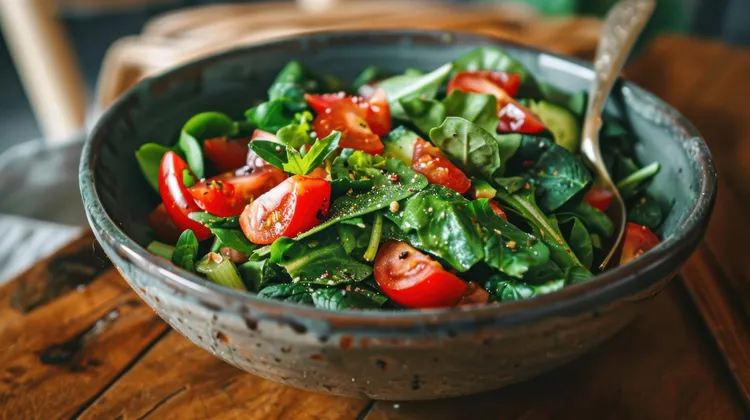
A properly ripe, room-temperature slicing tomato needs almost nothing done to it. Our Spinach & Tomato Salad keeps things simple, cherry tomatoes with spinach, basil, and a light lemon-olive oil dressing, letting the tomato's own flavor carry the dish rather than competing with heavy additions. If you're working with larger slicing tomatoes instead of cherry, cut them into bite-sized pieces as the recipe itself notes as a substitution.
When You Have a Glut of Cherry Tomatoes
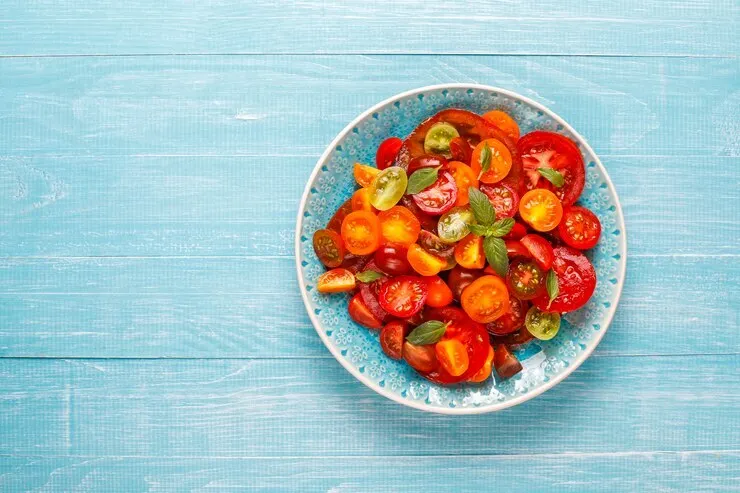
Cherry tomatoes are often the most prolific producers in a home garden, and a productive plant can hand you more than a salad's worth in a single picking. Our Garlic and Basil Sautéed Cherry Tomatoes is built for exactly this scenario: a quick five-to-seven minute sauté that uses a substantial quantity at once, no advance planning required.
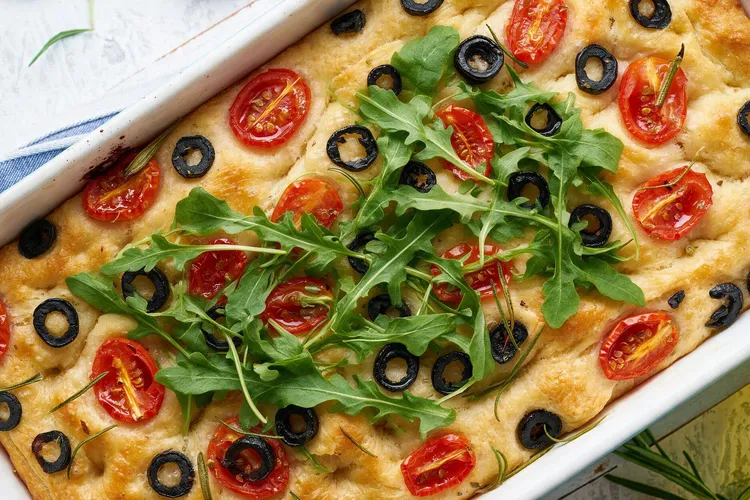
If you've got even more than that recipe calls for, the Tomato and Olive Focaccia recipe uses another half cup of cherry tomatoes baked directly into the dough, a good next destination once the sautéed version has covered a meal or two.
When You're Working With Paste or Plum Tomatoes
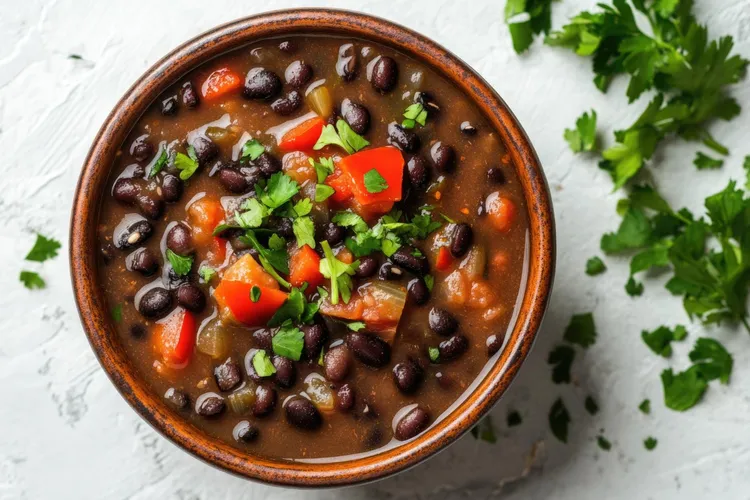
Dense, lower-water paste tomatoes are built for dishes where you want body rather than excess liquid. Our Tomato and Black Bean Stew is a good match here, since the stew relies on tomato sauce as its base and benefits from a denser, less watery tomato if you're substituting fresh for canned.
When You Want to Use a Preserved Batch
Semi-dried or oven-dried tomatoes, made using our Semi-Dried Tomatoes recipe, punch well above their weight in a finished dish because of how concentrated their flavor is compared to fresh.
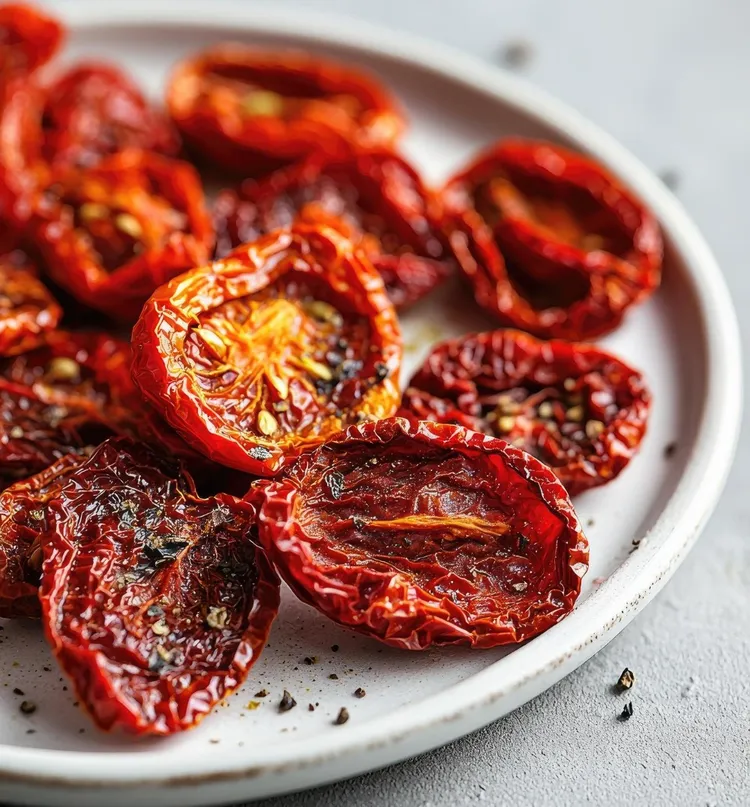
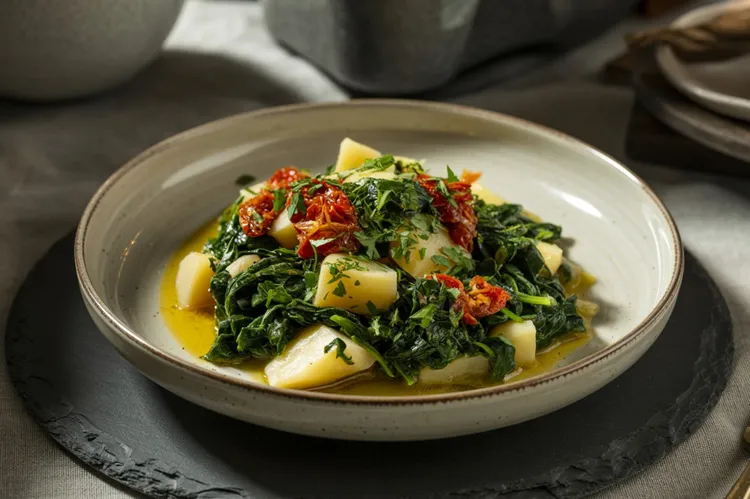
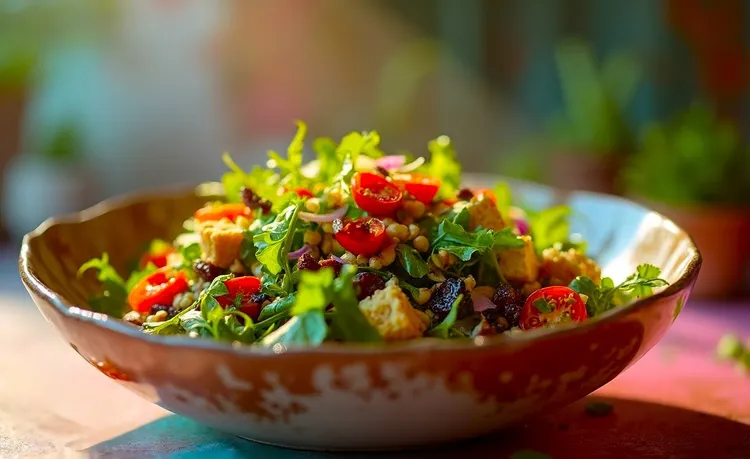
Two recipes put them to particularly good use: Tuscan Butter Potatoes, where the dried tomatoes add a tangy, concentrated counterpoint to the buttery potatoes, and Arugula Lentil Salad, which softens the dried tomatoes briefly in warm water before folding them into the salad.
Building a Sauce From Scratch
If you're working from a larger tomato harvest and want to build your own sauce rather than following a fixed recipe, understanding the underlying technique matters more than any single formula. Our broader guide to building sauces from scratch covers how a tomato-based sauce fits into the classic mother sauce framework, useful context if you want to improvise rather than follow a set recipe exactly.
If a sauce comes out too thin, too sharp, or otherwise off-balance partway through, our guide to fixing a sauce quickly covers fast corrections, directly relevant given how much tomato sauce success depends on the acid-sugar balance covered in our food science guide.
Building a Full Meal Plan Around a Tomato Harvest
If your garden is producing faster than any single recipe can use up, planning a full week around the harvest, rather than picking one recipe at a time, uses the surplus more efficiently and reduces how much ends up needing preservation or getting wasted. Our meal prep planning tool can help sequence several of the recipes above across a week, and our meal planning tool is useful for slotting tomato-heavy dishes in alongside the rest of what you're already cooking.
A Note on Cost
Home-grown tomatoes carry an upfront cost in seeds, soil, and time that a grocery store tomato doesn't, but by peak season the marginal cost of an individual tomato from an already-established plant is close to zero. That makes tomato-heavy dishes, sauces, focaccia, salads built around a large quantity, genuinely economical during the height of the season, even if the same recipe would cost more made with grocery-store tomatoes in February.
Building a Week of Meals Around a Tomato Harvest
Rather than treating each recipe above as a one-off, a productive tomato plant supports planning several days of meals around what's ripe at once. A reasonable sequence for a heavy harvest week: start with a raw preparation early in the week while tomatoes are at peak freshness, move to a quicker sautéed or roasted dish mid-week as the next batch ripens, and finish with a slower-cooked stew or sauce toward the end of the week, using slightly softer tomatoes that wouldn't have been ideal raw anyway but work perfectly once cooked down. This sequencing uses tomatoes at each stage of freshness for the preparation best suited to that stage, rather than treating every tomato identically regardless of condition.
Scaling Recipes for a Large Harvest
Most standard recipes are written for a modest quantity of tomatoes, a pound or two, which doesn't come close to using a heavy single-day harvest from a productive plant. Doubling or tripling a sauce or stew recipe is usually straightforward, since these dishes scale linearly with minimal adjustment beyond cooking vessel size and slightly longer reduction time for a larger volume. Salads and raw preparations scale less predictably, since dressing ratios don't always scale perfectly linearly with volume; it's often better to make a larger batch of dressing than the scaled recipe suggests and adjust to taste, rather than risk an underdressed salad.
What to Do With Odds and Ends
Not every tomato from a harvest is destined for a specific recipe. Slightly overripe or blemished tomatoes that aren't ideal for a fresh salad still work well cooked down into a quick sauce; a few small or oddly shaped tomatoes too awkward to slice neatly for a salad are perfectly fine diced into a stew. Treating "imperfect" tomatoes as simply needing a different destination rather than being wasted captures more value from a harvest than reserving cooking only for a dedicated batch and letting less photogenic fruit go unused.
Freezing Prepared Dishes for Later
Several of the recipes referenced in this guide, particularly the stew, freeze well as a finished dish, which extends the useful life of a heavy harvest beyond what fresh storage or even raw preservation alone would achieve. Cooked, cooled, and portioned into freezer-safe containers, a tomato-based stew or sauce typically holds good quality for 2 to 3 months in the freezer, giving you a genuinely ready meal on a night when cooking from scratch isn't appealing, made from tomatoes that would otherwise have needed using up months earlier.
Working through every stage in this guide, from a seed packet through a finished dish on the table, takes a full growing season and represents a meaningfully different relationship with a single ingredient than buying a tomato at the store. Not every stage needs to be followed rigidly or in order; plenty of good cooking happens by jumping straight to the recipes with store-bought tomatoes. But for anyone growing their own, understanding how each earlier stage, variety choice, harvest timing, storage, sets up what's possible at the plate is what separates a merely adequate harvest from one that gets used well from the very first ripe fruit to the very last jar on the pantry shelf.
This closes out the full lifecycle. For the complete guide from seed to harvest to plate, see Tomatoes: Seed to Plate.
A Quick Reference by What You Have
- A few perfect slicing tomatoes: Spinach & Tomato Salad
- A glut of cherry tomatoes: Sautéed Cherry Tomatoes, or baked into Focaccia
- Dense paste or plum tomatoes: Tomato and Black Bean Stew
- A preserved batch of dried tomatoes: Tuscan Butter Potatoes or Arugula Lentil Salad
Every recipe in this guide traces back to a decision made earlier in the lifecycle, which variety was planted, when it was picked, how it was stored or preserved. Seeing that connection is really the point of the whole framework: a tomato on the plate isn't disconnected from the seed it started as, and understanding the stages in between makes every dish that uses it a little more intentional.
Frequently Asked Questions
Can these recipes be adapted for a smaller harvest? Yes, all of the linked recipes scale down as easily as they scale up; halving a sauce or stew recipe generally works without adjustment beyond a shorter cook time to account for the smaller volume.
What if I don't have the exact tomato variety a recipe calls for? Substituting within a general category, another paste variety for a called-for paste tomato, another cherry variety for a called-for cherry tomato, almost always works fine. Substituting across categories, using a watery slicing tomato in place of a dense paste tomato in a sauce, works but may require a longer cooking time to compensate for the extra water.
Are these recipes suitable for meal prepping in advance? The slow-cooked stew and sauce-based dishes hold up particularly well for advance preparation and reheating, often tasting even better the next day once flavors have had time to meld further. The fresher, raw preparations like the salad are best made closer to serving time, since dressed raw tomato loses texture quickly once combined.
Where should a beginner start with this recipe collection? The sautéed cherry tomato recipe is the most forgiving starting point, quick, few ingredients, and hard to get meaningfully wrong, making it a good entry point before moving on to the more involved stew or focaccia recipes.
Letting the Harvest Guide the Menu
The most sustainable approach to a productive tomato season isn't picking recipes in advance and hoping the harvest cooperates; it's letting what's actually ripe on a given day suggest which recipe makes sense next. A kitchen that treats the recipe list here as a flexible menu of options, chosen based on today's harvest rather than a fixed weekly plan, tends to waste less and enjoy the season more.
Introducing Kids or Beginners to Cooking With Tomatoes
Several of the recipes referenced throughout this guide, particularly the sautéed cherry tomatoes and the simple salad, work well as an entry point for a less experienced cook or a child learning basic kitchen skills, since both involve straightforward technique, forgiving timing, and ingredients that are hard to seriously mishandle. Starting there before working toward the more involved stew or focaccia recipes builds confidence gradually rather than starting with a dish that has more room for something to go wrong.
Whatever the skill level in the kitchen, the recipes in this guide are meant to be a flexible starting point rather than a fixed sequence, adaptable to whoever's actually doing the cooking on a given night.
Building comfort with a small set of reliable recipes, then adapting them as skill and confidence grow, is a better long-term strategy than chasing a new recipe for every single meal.
Over time, that small set of trusted recipes tends to expand naturally anyway, simply through the normal course of experimenting with a season's harvest.
What matters most is actually cooking with what's ripe, regularly, rather than waiting for the perfect recipe or the perfect moment to start.
A season spent cooking through even a handful of these dishes repeatedly builds more real skill and confidence than reading through the entire guide without ever putting a knife to a tomato.
Latest









