Cheap Protein Sources: Getting 150g a Day on a Budget
Protein doesn't have to be expensive. With the right sources, you can hit 150g of protein a day for under $8 in food cost - less if you shop strategically.
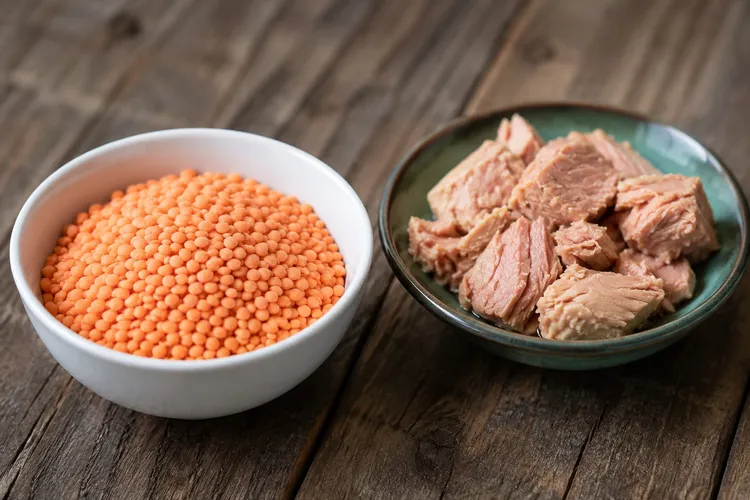
Expensive protein sources - sirloin steak, fresh salmon, whey protein isolate - make high-protein eating look like a luxury sport. It isn't. Some of the cheapest foods in any supermarket are also among the most protein-efficient: eggs, canned tuna, dried lentils, cottage cheese. The challenge isn't cost. It's knowing which foods to prioritise and how to build a full week around them without spending significantly more than a standard food budget.
The Right Metric: Cost Per 30g of Protein
Cost per 100g of food is a useless metric for comparing protein sources - a 100g serving of lentils and a 100g serving of chicken breast deliver completely different amounts of protein. Cost per 30g of protein (a roughly meal-sized dose) is the number worth comparing. All prices below are estimates based on typical UK/US supermarket ranges - adjust for your location.
The Budget Protein Ranking
Dried Lentils: ~$0.15-0.25 per 30g protein
The cheapest protein food by a large margin. 100g of dry red lentils (roughly $0.30) cooks to ~250g and yields approximately 18g protein in a finished portion. Stores indefinitely when dry, cooks in 20 minutes without soaking, and works in soups, curries, grain bowls, and as a side dish. The protein is incomplete (low in methionine) - pair with rice, eggs, or dairy at the same meal for a full amino acid profile.
Canned Tuna (Store Brand): ~$0.30–0.50 per 30g protein
The gold standard for budget protein efficiency. A 145g can of store-brand tuna in water costs $0.80-1.50 and delivers ~25-28g protein. Non-perishable, zero prep required, and nutritionally identical to premium brands. Buying a case of 24 cans reduces cost by 20-30% compared to buying individually. Works in salads, wraps, pasta, and grain bowls - see the lunch meal prep guide for the tuna and white bean build that covers 4-5 lunches at under $2 each.
Eggs: ~$0.40–0.60 per 30g protein
5 large eggs give ~30g protein at a cost of $0.50–0.80 depending on the market. Extremely versatile - hard-boiled for portable snacks, scrambled with cottage cheese for a high-protein breakfast, batch-cooked as muffins for the week. Egg, spinach and bacon muffins made in batches of 12 cost roughly $0.30-0.45 per muffin for around 9g protein each - a very strong budget-to-protein ratio. Buy a flat of 30 eggs rather than a dozen to reduce cost per unit significantly.
Canned Sardines: ~$0.40-0.60 per 30g protein
Significantly underused. A tin of sardines in brine (120g drained) delivers ~24g protein at $0.80-1.50. High in omega-3 fatty acids (EPA/DHA), vitamin D, and calcium (from the edible bones). Works on toast, in simple salads, or stirred into pasta. The flavour is stronger than tuna - start with sardines in brine or tomato sauce if you're new to them. Once you're comfortable, they're one of the cheapest complete protein foods available.
Cottage Cheese (Low-Fat): ~$0.50-0.70 per 30g protein
A 500g tub of store-brand low-fat cottage cheese costs $2.00-2.50 and contains roughly 55g protein. That's under $0.70 per 30g protein - cheaper per gram than most Greek yogurts and competitive with eggs. Useful as a protein booster in eggs (see egg and cottage cheese omelet), as an evening snack, and in pasta sauces. The most budget-efficient dairy protein available. Full guide to using it in the cottage cheese recipes guide.
Chicken Thighs (Bone-In): ~$0.60-0.80 per 30g protein
Bone-in, skin-on thighs are typically 30-40% cheaper per kilogram than boneless chicken breast. They're also harder to overcook - the fat and connective tissue keep them moist even if they hit 80°C+ internal temperature. Remove skin after cooking if you want to reduce fat. Pan-roasted chicken thighs is a reliable technique that works consistently. 4-5 bone-in thighs provide enough protein for 3-4 servings at a lower cost than an equivalent breast purchase.
Store-Brand Greek Yogurt (Non-Fat): ~$0.60-0.90 per 30g protein
Store-brand non-fat Greek yogurt is nutritionally identical to premium brands at 30–50% lower cost. A 500g tub delivers ~50g protein for $2.50-3.50 depending on the market. For a direct comparison with cottage cheese in terms of protein type, cost, and practical uses, see Greek yogurt vs cottage cheese.
Ground Beef (80-85% Lean): ~$0.70-0.90 per 30g protein
Higher fat content than 90% lean beef but cheaper per kilogram, and the fat adds flavour that makes meal prep less monotonous across a week. A 500g pack at $4-5 gives roughly 100g protein across multiple meals. Use in the builds from the ground beef protein meals guide - the fat content is easy to manage when the rest of the meal is low-calorie (salad, roasted veg, cauliflower rice).
Chicken Breast (Bulk Pack): ~$0.80-1.20 per 30g protein
More expensive than thighs but the protein-per-calorie efficiency is unmatched. Buy in bulk (1-2kg packs) to reduce cost by 25-35% compared to individual breast purchases. Freeze portions individually in sandwich bags - defrost overnight in the fridge.
A Sample $7 Budget Day at 150g Protein
This day uses only the cheapest items from the ranking above:
- Breakfast: 4 whole eggs scrambled with 100g cottage cheese - ~$0.90, 34g protein, ~310 kcal
- Lunch: 1 can tuna + 80g white beans + tomatoes + olive oil - ~$1.50, 40g protein, ~380 kcal
- Snack: 200g store-brand Greek yogurt - ~$1.00, 20g protein, ~120 kcal
- Dinner: 200g chicken thigh (cooked weight) + 150g red lentil side - ~$2.50, 46g protein, ~480 kcal
- Total: ~$5.90, 140g protein, ~1290 kcal
Add 2 hard-boiled eggs as an evening snack to clear 150g protein and ~1430 kcal. This is well under the 2000 kcal daily target - add rice, bread, fruit, or vegetables to fill the remaining calorie budget around these protein anchors. The protein costs just under $6. The complete day including all sides and carbohydrates would typically run $7-9 total.
Before building meals around these sources, Consillar's free TDEE and macro calculators will give you your exact daily calorie and protein budget in under two minutes.
Shopping Strategies to Reduce Cost Further
- Buy frozen protein. Frozen chicken breast, frozen shrimp, and frozen fish fillets are typically 25-40% cheaper than fresh with identical nutritional value. Defrost overnight in the fridge.
- Buy in bulk and freeze. 2kg packs of chicken breast, 1kg packs of ground beef, and crates of eggs all reduce per-unit cost significantly. Freeze in meal-sized portions.
- Stock canned fish permanently. Buying 12 or 24 cans at once (when on offer) costs significantly less per can than buying singles week by week.
- Choose store brands for dairy. Store-brand Greek yogurt and cottage cheese are nutritionally identical to premium brands. The protein content is the same. The cost is 30–50% lower.
- Avoid protein bars as a primary strategy. Most bars deliver 15-20g protein at $2-4 each - a terrible cost-per-gram compared to eggs, cottage cheese, or canned tuna.
For the full framework on how to structure these budget sources into daily meals, see the protein-first cooking method guide.
Protein Quality at Budget Price Points
Budget protein sources are not nutritionally inferior. Eggs are among the most nutritionally complete foods available - complete amino acid profile, high in choline, vitamin D, and B12, and excellent bioavailability. Canned tuna in water is nutritionally equivalent to expensive fresh tuna. Store-brand cottage cheese and Greek yogurt are identical to premium brands in protein content. The correlation between cost and quality in protein foods is weak or negative - cheaper often means less processing, which is a nutritional advantage rather than a compromise.
Protein on a Strict Weekly Budget
If working with a strict weekly food budget of $50-70 for everything, allocate 30-40% to protein sources. At $20-28 per week on protein, buying eggs in large packs, store-brand cottage cheese and Greek yogurt, canned tuna by the case, and one bulk chicken purchase covers 150g protein per day comfortably. The remaining budget covers vegetables, rice, oats, bread, and everything else. The mistake on a tight budget is buying small quantities of expensive proteins when the same money spent differently buys significantly more protein per dollar. For the structural framework on using budget sources in daily meals, see the protein-first cooking method guide.
Budget Protein Across the Week: A Practical Rotation
Rotating through the cheapest sources across the week covers nutritional bases while keeping costs low. A practical weekly budget rotation: eggs and cottage cheese anchoring Monday and Tuesday breakfast; canned tuna for Monday and Wednesday lunch; chicken thighs for Tuesday and Thursday dinner; lentils as a side two evenings; Greek yogurt daily as a snack. This spread hits 150g protein most days at well under $8 daily food cost for protein-specific purchases. The 7-day protein-first meal plan puts this rotation into a complete weekly structure with a full shopping list and cost estimate. For the underlying framework, see the protein-first cooking method guide.
One habit that dramatically reduces weekly protein costs over time: buying in bulk and freezing. A 2kg pack of chicken breast, divided into 200g portions and frozen individually, costs 20-30% less per kilogram than buying fresh week by week. A case of 24 canned tuna tins at warehouse pricing costs 30-40% less per tin than buying individually at a supermarket. Eggs bought as a flat of 30 cost less per unit than a pack of 12. These are one-time shopping decisions that compound into meaningful savings across a full year of high-protein eating without changing what you eat at all.
Latest