Chinese Black Vinegar: The Umami Bomb Most Western Kitchens Are Missing
Chinkiang black vinegar is dark, smoky, slightly sweet, and packed with a savory depth that no other vinegar can replicate. It costs under $5 a bottle and transforms dipping sauces, cold noodles, and braises. Here's what it is and how to start using it.
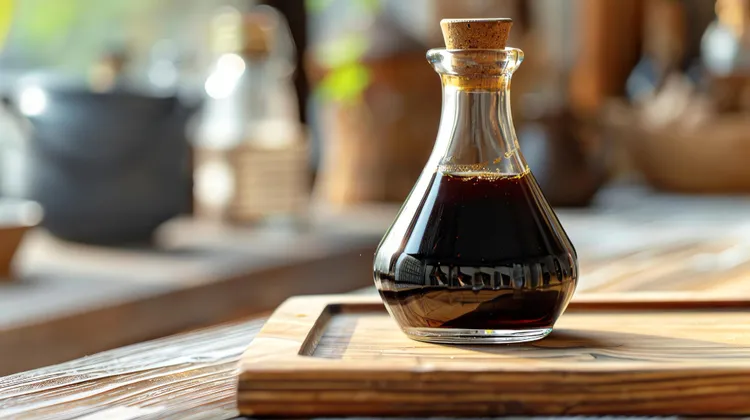
Most Western pantries have balsamic for depth and red wine vinegar for sharpness. Neither of them does what black vinegar does. Chinkiang (Zhenjiang) vinegar has an umami quality - a meaty, roasted savoriness - that comes from the grain fermentation process and extended aging in earthenware crocks. It's closer in character to a complex condiment like Worcestershire sauce than to a standard culinary acid. Once you understand what it is, the applications become obvious: anywhere you want depth, savory complexity, and a gentle acid note that doesn't announce itself as vinegar.
What Black Vinegar Actually Is
Chinese black vinegar is made by fermenting a base of glutinous rice, sorghum, wheat bran, and sometimes other grains. The resulting liquid is aged - quality versions for 1 to 3 years or more - in large earthenware crocks. The aging develops color (deep amber to near-black), body, and the complex savory notes that define the product. The grain base means the flavor has a malty, roasted quality that grape-based vinegars can't replicate.
Acidity is typically 4% to 5%, lower than most Western vinegars, which is why the flavor feels rounded rather than sharp. The lower acidity means it can be used in larger quantities than wine vinegars without a dish becoming too acidic - important in applications like cold noodle dressings where the vinegar is a primary flavor component.
Chinkiang (named after the city of Zhenjiang in Jiangsu province) is the most widely available and versatile variety. Look for "Zhenjiang" in the name and an ingredient list showing glutinous rice, sorghum, or grain as primary components. The Heng Shun brand is the most widely distributed internationally and is reliable. Cost: $3 to $6 for a 550ml bottle at any Asian grocery or online.
Regional Varieties
- Zhenjiang (Chinkiang) vinegar: The most common and most versatile. Dark amber-brown, malty, slightly sweet. The default for most applications.
- Shanxi aged vinegar (Laochen cu): Darker and sharper than Chinkiang, with more pronounced acidity and a drier, more complex character. Used more in northern Chinese cooking.
- Sichuan vinegar: Lighter in color, fruitier, and less aged than Chinkiang. Used in cold appetizers and as a dipping condiment.
Chinkiang is the best starting point for anyone new to black vinegar - it's the most balanced and broadly applicable.
The Flavor Profile
Dark and malty, with notes of roasted grain, a hint of molasses, and a mild sweetness. The acidity is present but not dominant - the savory complexity is what you notice first. A small sip tastes something like a cross between balsamic and soy sauce, with a smokiness and grain depth that neither of them has. It's a deeply savory acid rather than a sharp one. On grilled meat, it reads almost like a finishing condiment. In a sauce, it adds layers that take the dish from flat to complex with very little effort.
Classic Uses
Dipping Sauce for Dumplings
The simplest and most important application. Combine 2 tbsp black vinegar, 1 tbsp soy sauce, 1 tsp chili oil (or fresh chili to taste), and 3 to 4 thin slices of fresh ginger. That's the foundational dumpling dip used across eastern China. The black vinegar is not an accent here - it's the main flavor. Don't substitute rice vinegar or balsamic; neither gives anything close to the same result. This sauce also works for spring rolls, scallion pancakes, and steamed buns.
Cold Noodle Dressings
Sesame noodles made with black vinegar have a savory depth that the rice-vinegar version lacks. A good cold noodle dressing: 2 tbsp black vinegar, 2 tbsp soy sauce, 1.5 tbsp sesame paste (or peanut butter), 1 tbsp sesame oil, 1 tsp sugar, 1 tsp chili paste. Thin with 1 to 2 tbsp warm water if needed. Toss with 200g cooked noodles, shredded cucumber, and thinly sliced scallion. Approximately 380 kcal per serving, 12g protein, 18g fat. Keeps well for 24 hours refrigerated - the noodles continue to absorb the dressing and improve.
Red-Braised Pork (Hong Shao Rou)
Black vinegar is traditional in Shanghai-style red-braised pork belly. A couple of tablespoons added with the soy sauce and sugar produces a sauce with a characteristic tang that cuts through the fat and adds complexity. It also helps maintain the deep mahogany color of the braise without relying solely on sugar caramelization. Standard ratio for the braising liquid: 3 tbsp light soy sauce, 1 tbsp dark soy sauce, 2 tbsp black vinegar, 2 tbsp Shaoxing rice wine, 2 tbsp rock sugar, enough water to barely cover 500g pork belly. Braise 90 minutes covered, then 20 to 30 minutes uncovered to reduce and glaze.
Hot and Sour Soup
The sour element in Sichuan-style hot and sour soup is traditionally black vinegar rather than rice vinegar. It gives the soup its characteristic deep, layered sourness. Add 2 to 3 tbsp per 800ml of broth in the last few minutes of cooking. The vinegar character should be clearly present but not dominant over the chili heat and white pepper.
Stir-Fry Finishing
A small splash of black vinegar (about 1 tbsp) added to a stir-fry in the final 30 seconds over high heat adds a bright, savory pop before the acidity cooks off. Works particularly well in pork stir-fries, mapo tofu, and eggplant dishes. The umami quality reinforces the existing savory elements rather than contrasting with them.
Smashed Cucumber Salad
A classic cold appetizer: smash whole cucumbers with the side of a knife until they split, tear into pieces, toss with salt, let drain for 10 minutes, dress with black vinegar, sesame oil, garlic, chili, and a pinch of sugar. The black vinegar's savory depth makes this dish complete on its own - no soy sauce needed. Ready in 15 minutes. Approximately 60 kcal per serving.
Western Applications
Black vinegar works anywhere you want deep, savory acidity. It's an excellent finishing touch on braised lentils, mushroom ragus, and slow-cooked beef dishes. Replace the final splash of red wine vinegar in a beef braise with black vinegar and the dish immediately has more depth. It also works well incorporated into mayonnaise-based dressings (1 tsp in place of regular vinegar or lemon juice) and as a deglazing liquid for pork pan sauces - add 2 tbsp to the pan after searing pork chops, let it bubble and reduce, then add stock.
The comparison to Worcestershire sauce is useful: black vinegar can serve a similar function in Western cooking - a background savory-acid note that ties a dish together without announcing itself. Start with small amounts (1 to 2 tsp) in dishes you already make until you understand how it integrates.
Substitution
There's no perfect substitute. The closest approximation: equal parts balsamic and soy sauce combined. This captures some of the sweetness and savoriness but lacks the grain roast character. In dipping sauces, the substitution is noticeably off. Buy a real bottle of Chinkiang when you can - the investment is under $5 and it lasts indefinitely.
For more on how black vinegar fits within the broader vinegar landscape, see the vinegar renaissance guide.
Black Vinegar as a Replacement for Other Condiments
Once you understand what black vinegar does, you start seeing where it could replace something in dishes you already cook. In any beef or lamb dish where Worcestershire sauce is called for, black vinegar gets you most of the way there with more complexity and less sweetness. In a dark marinade for short ribs, replacing the balsamic with black vinegar produces a more interesting result because the grain character of the vinegar echoes the earthiness of the beef. In mushroom dishes - particularly shiitake or portobello preparations - black vinegar's umami reinforces the natural glutamate content of the mushrooms. Use about 1 tsp to 1 tbsp depending on the application, taste, and add more. It's difficult to oversell how much this ingredient does with minimal effort.
Storage and Shelf Life
Black vinegar keeps indefinitely at room temperature once opened. The acidity prevents spoilage. There's no need to refrigerate. You may notice some sediment forming over time, particularly in lower-quality bottles - this is normal and harmless. Shake gently before using if you prefer it distributed, or let it settle and pour carefully. The flavor deepens slightly over time, which is generally a positive development. If the vinegar smells genuinely off (beyond the normal strong fermented character), that's unusual enough to discard, but it's rare. A bottle bought in 2025 is still good in 2030.
Health and Nutritional Context
Black vinegar contains trace amounts of amino acids from the grain fermentation, particularly in longer-aged varieties. Some Japanese black vinegar (kurozu) is marketed specifically for amino acid content. For cooking purposes, the amounts used in most dishes are small enough that the nutritional contribution is minimal - about 5 kcal per tablespoon, negligible protein, negligible fat. It's a flavoring ingredient, not a nutritional one. The amino acid claim is more relevant to the concentrated tonic versions sold as health supplements, not to the culinary product used in dipping sauces and cold noodles.
Building a Chinese Black Vinegar Pantry
If you're starting to cook more Chinese food, the pairing of black vinegar with Shaoxing rice wine covers about 80% of the flavor-building in traditional braised and stir-fried dishes. These two ingredients together create the backbone of soy-braised pork belly, red-braised chicken, most hot pot dipping sauces, and many cold appetizers. Add chili oil and doubanjiang (broad bean chili paste) to that base and you have what you need for most Sichuan home cooking. The black vinegar in this context is not an optional accent - it's structurally important in a way that no Western vinegar can substitute for. Budget the $5 for a bottle of Chinkiang and keep it on the shelf next to the soy sauce.
Black Vinegar in Regional Chinese Dishes You Can Make at Home
The scope of black vinegar in Chinese cooking extends beyond the dishes most commonly made internationally. In Shanghainese sweet-and-sour spare ribs (tang cu pai gu), black vinegar provides both the sour component and contributes to the mahogany color of the glaze. The dish uses equal parts black vinegar and sugar reduced together with soy sauce to coat par-cooked ribs, then the ribs are deep-fried to caramelize the coating. In Sichuan bang bang chicken, the cold dressing uses a small amount of black vinegar alongside the sesame paste, chili oil, and garlic. In Jiangsu cuisine's braised lion's head meatballs, black vinegar is sometimes used in the braising liquid to cut through the richness of the pork. These are all approachable home recipes that happen to require a bottle of Chinkiang vinegar as an essential ingredient rather than an optional one.
Where to Buy and What to Look For on the Label
Chinkiang vinegar is available at any Asian grocery that stocks Chinese ingredients. It's almost always shelved with the soy sauce and other Chinese condiments rather than with Western vinegars. The Heng Shun brand in the distinctive tall bottle with a red and white label is the most widely distributed internationally and is reliable. Kong Fen and Gold Plum are also well-regarded. Look for "镇江香醋" (Zhenjiang fragrant vinegar) on the label - this is the original product with geographic indication protection. Avoid bottles that just say "black vinegar" without specifying Zhenjiang or Chinkiang - some are made elsewhere and lack the characteristic depth of the Jiangsu product. Online retailers (Amazon, Asian grocery delivery services) carry reliable brands if no physical store is accessible. Price: a 550ml bottle typically costs $3 to $6.
The Difference Between Chinese and Japanese Black Vinegar
Japanese kurozu (black rice vinegar) is made primarily from unpolished rice in earthenware pots and is aged similarly to Chinkiang, but the result is different: kurozu tends to be milder, slightly more acidic, and with less of the malty grain character that defines Chinkiang. It's sometimes marketed as a health supplement in Japan due to its amino acid content. Culinarily, kurozu is excellent in light dressings and as a finishing acid for delicate dishes, but it doesn't have the savory depth that makes Chinkiang so useful as a cooking vinegar. If you find both, they're worth comparing: the Chinkiang for bold applications (dipping sauces, braised meats), the kurozu for lighter preparations where you want dark vinegar character without the full intensity of the Chinese product.
Recipe: Black Vinegar Braised Short Ribs
A practical application that demonstrates what black vinegar does in a long braise. Sear 1kg bone-in short ribs in a Dutch oven until deeply browned. Remove and pour off excess fat. Add 1 diced onion and 4 cloves garlic, cook until soft. Add 3 tbsp black vinegar, 2 tbsp soy sauce, 1 tbsp brown sugar, 1 tbsp tomato paste, 400ml beef stock. Return ribs, bring to a simmer, cover and braise at 160°C for 2.5 to 3 hours until very tender. Remove lid and reduce the braising liquid for 15 minutes. The black vinegar gives the sauce a depth and slight tang that red wine vinegar doesn't provide - the grain character of the vinegar echoes the collagen and fat of the short ribs in a way that feels complete. Approximately 520 kcal per serving, 38g protein, 28g fat.
Latest