High-Fiber Smoothies: How to Build One That Works
Five high-fiber smoothie formulas with fiber counts, protein, and calories - plus the building block ingredients that make a smoothie genuinely filling rather than just sweet.
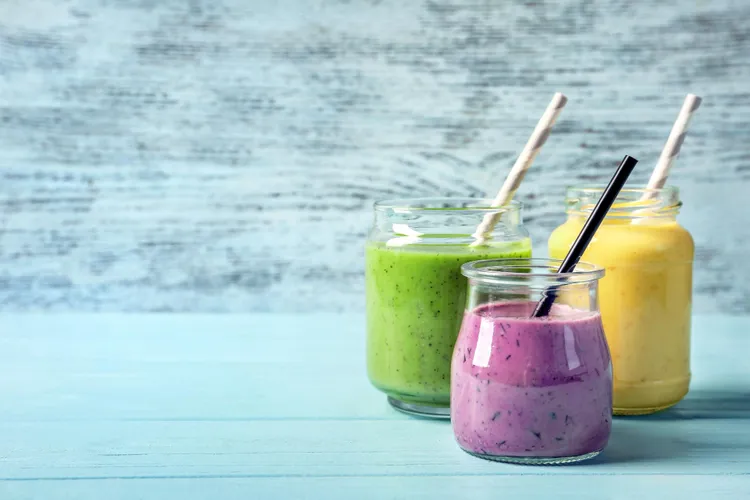
Most smoothies are low in fiber. A blender full of fruit juice, banana, and protein powder delivers sweetness and protein but almost no fiber - the pulp has been removed, the grains are absent, and the volume is driven by liquids that have no structural fiber at all. A high-fiber smoothie requires a specific set of ingredients. These five formulas deliver 8-14g of fiber each and enough satiety to function as a proper breakfast.
The Fiber-Building Blocks for Smoothies
Before the recipes, a quick primer on which ingredients actually contribute fiber:
- Chia seeds (1 tbsp): ~5g fiber - the most concentrated smoothie fiber source
- Ground flaxseed (1 tbsp): ~2.8g fiber - also adds omega-3s; use ground not whole for absorption
- Rolled oats (half cup, dry): ~4g fiber - adds creaminess and thickness
- Frozen raspberries (half cup): ~4g fiber - higher fiber than most fruits
- Frozen mango (half cup): ~1.5g fiber
- Banana: ~3.1g fiber - ripe banana has less resistant starch but slightly more total fiber
- Spinach (large handful): ~1g fiber - essentially tasteless when blended
- Avocado (quarter): ~2.5g fiber - also adds fat and creaminess
- Hemp seeds (1 tbsp): ~1g fiber, 3g protein
The highest-impact additions are chia seeds and rolled oats. Used together they can add 8-9g of fiber to any base smoothie.
Formula 1: Classic Berry and Chia
1 cup frozen mixed berries + 1 ripe banana + 1.5 cups unsweetened almond milk + 2 tablespoons chia seeds + 1 tablespoon ground flaxseed + large handful spinach. Blend until smooth.
- Fiber: ~14g
- Calories: ~320 kcal
- Protein: ~8g
The go-to formula. Berries provide tartness that offsets the nuttiness of chia and flax. The spinach is undetectable. Make this the default and vary the berry mix week to week.
Formula 2: Oat and Peanut Butter
Half a cup rolled oats + 1 banana + 2 tablespoons peanut butter + 1 tablespoon chia seeds + 1 cup milk or plant milk + a pinch of cinnamon. Blend until completely smooth - oats need 30-40 seconds to fully break down.
- Fiber: ~9g
- Calories: ~440 kcal
- Protein: ~16g
This one trends closer to a meal replacement. The peanut butter and oats together create a thick, genuinely filling smoothie that will sustain energy for 4+ hours. Good post-workout or as a high-protein weekday breakfast.
Formula 3: Green Mango and Avocado
1 cup frozen mango + quarter of an avocado + large handful spinach + half a cup kale leaves (stems removed) + 1 tablespoon chia seeds + juice of half a lime + 1 cup coconut water. Blend until smooth.
- Fiber: ~9g
- Calories: ~290 kcal
- Protein: ~4g
Lower protein than the others but high in potassium, vitamin C, and vitamin K. Works well as a lighter option or paired with a protein-rich breakfast alongside it.
Formula 4: Raspberry and Oat
1 cup frozen raspberries + half a cup rolled oats + 1 tablespoon ground flaxseed + half a cup Greek yogurt + 1 cup milk + 1 teaspoon honey. Blend until smooth.
- Fiber: ~11g
- Calories: ~380 kcal
- Protein: ~15g
Raspberries have more fiber per gram than almost any other fruit. Half a cup of frozen raspberries alone provides 4g. Combined with oats and flaxseed this becomes one of the most fiber-dense formulas on the list. The yogurt adds protein and a slight tang that works well with the tartness of the raspberries.
Formula 5: Chocolate Banana and Hemp
1 ripe banana + 2 tablespoons cocoa powder + 2 tablespoons hemp seeds + 1 tablespoon chia seeds + half a cup rolled oats + 1.5 cups oat milk. Blend until smooth.
- Fiber: ~10g
- Calories: ~420 kcal
- Protein: ~14g
Cocoa powder itself provides about 2g of fiber per tablespoon and adds a genuine chocolate flavor without sugar. This formula works well for people who find most smoothies too sweet or fruit-forward.
Blending Tips
Order matters for a smooth result: liquids first, then soft ingredients (banana, yogurt, avocado), then frozen fruit, then oats and seeds last. If chia seeds are added whole rather than pre-soaked, blend for a full 60 seconds to break them down. Ground flaxseed blends more easily than whole flaxseed and is better absorbed by the body.
Meal Prep Tips
Smoothie bags make batch prep straightforward: pre-portion the dry and frozen ingredients (oats, seeds, frozen fruit) into zip-lock bags and freeze them. In the morning, tip the bag into a blender, add the liquid ingredients, and blend. Five bags packed on Sunday covers the whole week. For the full high-fiber eating plan including solid meals, see the complete guide to high-fiber meal planning.
Latest