The Vinegar Renaissance: A Home Cook's Guide to Every Vinegar Worth Using
Vinegar is one of the most underused tools in the home kitchen. This guide covers every major culinary vinegar - flavor profiles, best uses, fermentation basics, and how to swap between types with confidence.
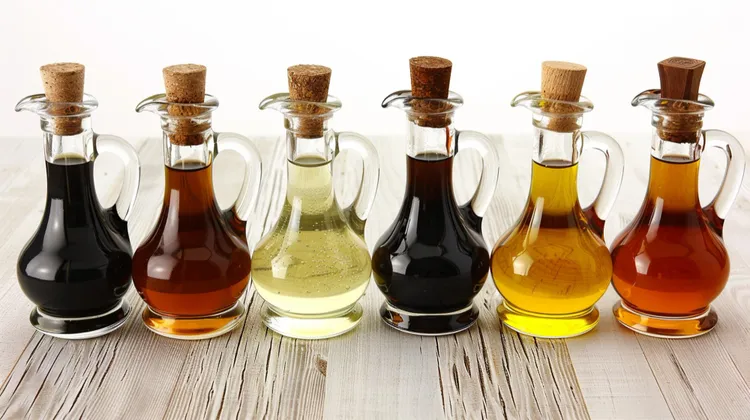
Most kitchens have one bottle of balsamic and one of white wine vinegar, both used interchangeably and without much thought. That's a shame, because the gap between a dish made with the right vinegar and one made with the wrong one is not subtle. The right acid lifts a sauce, sharpens a dressing, tenderizes a braise, and adds a layer of complexity that salt alone can't deliver. Using a single vinegar for everything is like using one knife for all tasks - it works, but you're leaving a lot on the counter.
Vinegar has been a kitchen staple for thousands of years. Ancient Babylonians made it from dates. The Romans carried posca - a mixture of water and sour wine - on military campaigns. Every major culinary tradition developed its own version: rice vinegar in East Asia, malt vinegar in Britain, sherry vinegar in Spain, balsamic in northern Italy. The range of what vinegar can be, and do, is enormous. This guide covers all of them.
What Vinegar Actually Is
All vinegar starts with fermentation. First, a sugar source - fruit, grain, rice, cane - is fermented by yeast into alcohol. Then a second fermentation, driven by Acetobacter bacteria, converts that alcohol into acetic acid. The acetic acid content of most culinary vinegars sits between 4% and 8%. That acidity is what does the work: it denatures proteins in marinades, balances fat in dressings, cuts through richness in braises, and preserves vegetables in pickling.
The flavor beyond the acid comes from everything that was in the original liquid - fruit sugars, tannins, minerals, amino acids - plus whatever develops during aging. Balsamic has grape must. Sherry vinegar has oxidized wine. Black vinegar has roasted grain. This is why they are not interchangeable. A splash of malt vinegar in a salad dressing is not the same as a splash of rice vinegar. The base material and the fermentation process create entirely different flavor profiles around the same fundamental acid.
Understanding this means you can approach any recipe that calls for vinegar with real purpose - choosing the type that amplifies what you're trying to do rather than defaulting to whatever bottle is closest.
The Major Vinegar Families
Wine Vinegars
Made from fermented wine - red, white, rosé, or sherry. Wine vinegars are the workhorses of European cooking. Red wine vinegar is sharp and tannic, best in robust vinaigrettes and red meat marinades. The tannins from the original wine carry through and give it a grip that works well against bold flavors - aged cheese, bitter greens, fatty meats. White wine vinegar is cleaner and more delicate, suited to lighter dressings, fish, cream sauces, and anything where you want acidity without color or tannin. It's the most versatile of the wine vinegars for everyday Western cooking.
Sherry vinegar sits apart. It's aged in a solera system like sherry itself and has a nutty, oxidized complexity that makes it one of the most versatile and underrated vinegars in the pantry. A single splash of good sherry vinegar into a pan sauce does more work than twice the quantity of plain wine vinegar. It costs about the same as a mid-range wine vinegar and lasts indefinitely. For a closer look, see our sherry vinegar guide. For a direct comparison between red and white, see white wine vs. red wine vinegar.
Apple Cider Vinegar
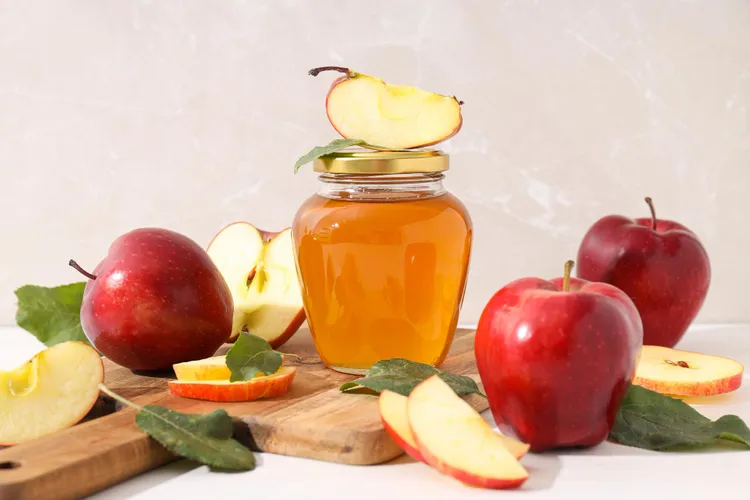
Fermented from apple juice, unfiltered versions contain the "mother" - a colony of cellulose and acetic acid bacteria that clouds the liquid. The flavor is fruity, slightly sweet, with a softer acidity than wine vinegar. Typical acidity is 5%, which means it's mild enough to use in larger quantities without overwhelming a dish. It works in dressings, braises, slaws, marinades, baking, and drinks. The one to reach for when you want acidity without sharpness. See the full breakdown in our apple cider vinegar cooking guide.
Rice Vinegar
Made from fermented rice wine. Much milder and slightly sweeter than Western vinegars, with an acidity often as low as 4%. Unseasoned rice vinegar is what belongs in your pantry - the seasoned version already has sugar and salt added, which limits how you can use it. Essential for Japanese, Korean, and Chinese cooking, where its gentle acid is a defining flavor in dressings, pickling brines, and sushi rice seasoning. The confusion between rice vinegar and rice wine vinegar is widespread and worth addressing directly: our guide on rice vinegar vs. rice wine vinegar clears it up.
Chinese Black Vinegar
Made from glutinous rice, sorghum, or a mixture of grains, then aged. Chinkiang (Zhenjiang) vinegar is the best-known variety. It's dark, smoky, slightly sweet, and packed with umami in a way that no other vinegar is. The flavor profile is closer to a complex aged condiment than a straightforward culinary acid. Once you taste it, you understand immediately why it can't be substituted with balsamic or soy sauce. Use it in dipping sauces, cold noodle dishes, hot and sour soup, and long braises. It costs under $5 for a large bottle and keeps indefinitely. Full guide: Chinese black vinegar.
Balsamic Vinegar
The most misunderstood vinegar on the shelf. Genuine tradizionale balsamic from Modena or Reggio Emilia is made from cooked grape must, aged in a series of progressively smaller barrels for a minimum of 12 years. It's thick, complex, and expensive - a few drops are all you need. Most commercial balsamic is wine vinegar with caramel color and thickeners added. Both have their place, but only if you know which you're buying and what each is suited for. The full breakdown is in our balsamic vinegar guide.
Malt Vinegar
Made from ale, with a distinctive grainy, slightly yeasty flavor. It's inexpensive, bold, and almost entirely underused outside of British cooking. Works well in chutneys, brown sauces, glazes for pork, and slow braises where you want a savory depth that wine vinegars can't provide. More detail in our malt vinegar guide.
White Distilled Vinegar
The most neutral vinegar there is - nearly pure acetic acid with very little flavor beyond sharpness. Best for cleaning, large-batch pickling where neutral acid is the point, and applications where you want acidity without any flavor influence. Rarely the right choice for cooking where flavor matters.
Cooking With Vinegar: The Main Applications
Dressings and Vinaigrettes
The classic ratio is 3 parts oil to 1 part acid. That's a starting point - some vinegars (rice, balsamic) are milder and can go 2.5:1 without the acid taking over. Mustard is the standard emulsifier: about 1/2 tsp per 4 tablespoons of total dressing. Without it, the dressing separates immediately and coats leaves unevenly. A complete breakdown of ratios by vinegar type is in our homemade vinaigrette guide. For a fast weeknight application, the dressing on this chargrilled chicken and vegetable salad shows how well a simple vinegar-and-garlic combination performs.
Marinades
Acid denatures surface proteins and helps seasonings penetrate. The science matters here: too much acid for too long turns meat chalky rather than tender. Thin cuts need 30 minutes to 2 hours. Thick cuts rarely benefit from more than 4 to 6 hours in a high-acid marinade. A good reference is the 3-minute marinade technique, which demonstrates the acid-to-oil ratio that works even in very short times. For the full science broken down by protein type, see our vinegar marinade guide.
Pickling
Quick pickling needs at least 5% acidity. White wine vinegar, rice vinegar, and apple cider vinegar all work. The choice of vinegar affects flavor dramatically: rice vinegar pickles are mild and sweet, ACV pickles have a fruitier tang, white wine gives a clean sharp bite. A basic brine: equal parts vinegar and water, 1 tsp salt, 1 tsp sugar per 250g of vegetables. The quick cucumber chili pickle demonstrates simple brine ratios you can swap between vinegar types. Full guide at pickling at home.
Braises and Pan Sauces
A splash of vinegar at the end of a braise does what no other ingredient can - it cuts through fat, lifts fond, and sharpens flavors flattened by long cooking. Balsamic in a beef braise, sherry vinegar in a chicken pan sauce, rice vinegar in a pork stir-fry glaze. Add it in the last 5 to 10 minutes rather than the beginning, so the complexity doesn't fully cook off. The classic example: balsamic chicken and mushrooms, where the vinegar becomes the backbone of the sauce.
Baking
White wine vinegar and apple cider vinegar both activate baking soda (sodium bicarbonate reacts with acetic acid to release CO2). About 1 tsp of vinegar per 1/2 tsp of baking soda. Vinegar also helps cakes stay tender and gives vegan baked goods structure without eggs. The flavor disappears almost entirely on baking.
As a Finishing Condiment
High-quality vinegar used as a finishing touch is one of the most underexplored techniques in home cooking. A few drops of aged sherry vinegar or tradizionale balsamic over grilled meat, roasted vegetables, or aged cheese changes the dish. The quality shows precisely because it's not cooked.
Vinegar Substitution Guide
The general rule: substitute within families more easily than across them. Red wine vinegar and balsamic are closer to each other than either is to rice vinegar. When crossing families, dilute the replacement or compensate with a small amount of sugar or citrus.
- Red wine vinegar: Sherry vinegar (1:1), or white wine vinegar plus a few drops of Worcestershire for depth
- Balsamic: Red wine vinegar plus a small pinch of sugar - workable in cooked applications
- Rice vinegar: White wine vinegar diluted 3:1 with water, plus a pinch of sugar
- Apple cider vinegar: White wine vinegar (1:1), slightly sharper result
- Sherry vinegar: Red wine vinegar works structurally, though you lose the nutty depth
- Black vinegar: Equal parts balsamic and soy sauce gets close but lacks the grain roast character
- Malt vinegar: ACV for flavor proximity, diluted white vinegar for neutral acidity
Drinking Vinegars: Shrubs
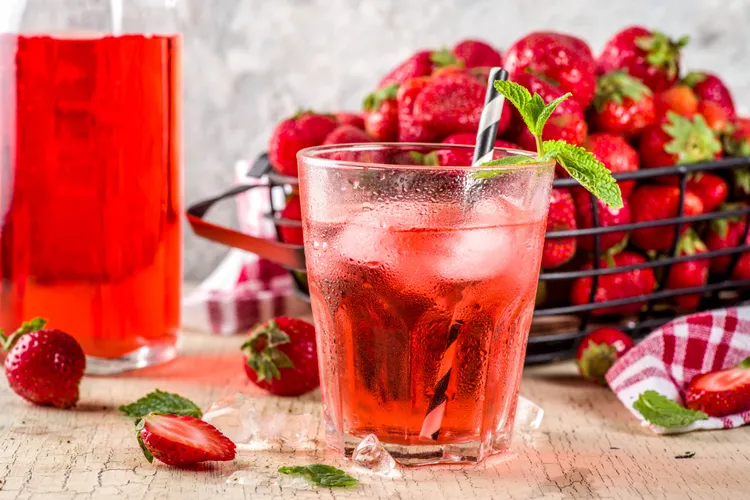
Shrubs - concentrated fruit-vinegar syrups diluted with sparkling water or used in cocktails - are a natural extension of the vinegar pantry. Apple cider and white balsamic work best. A basic shrub is equal parts fruit, sugar, and vinegar by weight. Cold-process over 24 to 48 hours gives the best flavor. Mixed 1:4 with sparkling water, a good shrub is one of the most refreshing non-alcoholic drinks you can make. Full technique at how to make a shrub.
Making Your Own Vinegar
Home vinegar production is simpler than most people expect. You need a mother of vinegar (available online or from raw unfiltered ACV), an alcohol base at 5% to 10% ABV, and a warm dark place with airflow. Apple scrap vinegar is the best starting point - low cost, high success rate, and the result genuinely beats most commercial options. The full process is in our beginner's fermentation guide.
Building Your Vinegar Pantry
You don't need all of them. A well-chosen four covers almost everything: a red wine vinegar (robust, everyday use), a white wine or champagne vinegar (delicate, for fish and light dressings), a rice vinegar (Asian cooking, gentle pickling), and either a good balsamic or a sherry vinegar (depth, finishing, pan sauces). Add apple cider vinegar if you bake or make slaws and marinades regularly. Add black vinegar if you cook Chinese food with any frequency. Malt vinegar is worth keeping for its unique applications in chutneys, pickling, and British-style braises.
The single highest-impact addition for most home cooks who already have balsamic and white wine vinegar is sherry vinegar. It fills a gap between the two, adds a complexity neither has, and costs about the same. Start there and see how it changes what you already cook.
Explore the Full Series
- Apple Cider Vinegar in Cooking: Beyond the Health Hype
- Balsamic Vinegar Guide: Cheap vs. Aged and When It Matters
- Rice Vinegar vs. Rice Wine Vinegar: What's the Difference?
- Chinese Black Vinegar: The Umami Bomb Most Western Kitchens Are Missing
- Sherry Vinegar: The Spanish Pantry Secret
- How to Make a Shrub: Drinking Vinegars for Cocktails and Mocktails
- Homemade Vinaigrette Ratios: The Formula That Works With Any Vinegar
- Pickling at Home: Which Vinegar to Use for Which Vegetable
- White Wine Vinegar vs. Red Wine Vinegar
- How Vinegar Tenderizes Meat: The Science Behind Acidic Marinades
- Malt Vinegar Beyond Fish and Chips
- How to Make Your Own Vinegar at Home
Latest