The Best High-Fiber Grains (And How to Cook Them)
A practical guide to the most fiber-rich whole grains - oats, barley, farro, bulgur, quinoa, and freekeh - with fiber content, cook times, flavor profiles, and the best uses for each.
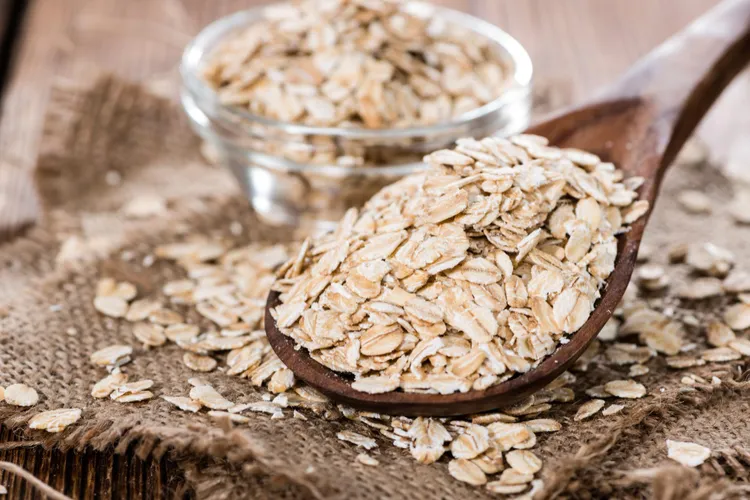
Not all whole grains are equal in fiber content, and most people default to brown rice and quinoa when there are significantly better options. Barley delivers nearly twice the fiber of quinoa. Bulgur wheat cooks in 15 minutes and has a fiber content that beats brown rice by a considerable margin. The grains below are ranked roughly by fiber content and assessed for practical kitchen utility.
Oats
Fiber: ~10g per 100g dry (rolled oats)
Cook time: 5 minutes (rolled); 20-25 minutes (steel-cut); overnight (cold-soaked)
Flavor: Mild, slightly nutty, adaptable to sweet or savory
The most studied fiber source in the grain category. Oat beta-glucan - a specific soluble fiber - has the most robust evidence for cholesterol reduction and glycemic control of any food fiber. One cup of dry rolled oats provides around 8g of fiber and works as breakfast porridge, overnight oats, a smoothie base, or a binder in savory patties like the chickpea and lentil patties.
Steel-cut oats have a slightly lower glycemic index than rolled because they are less processed, but the fiber content is essentially the same. The main practical difference is cook time.
Pearled Barley
Fiber: ~6g per 100g cooked
Cook time: 30-35 minutes
Flavor: Slightly nutty, mild, chewy texture
Barley contains beta-glucan like oats, making it particularly effective for blood sugar and cholesterol management. It is also the most filling grain on this list gram-for-gram - the thick, chewy texture takes longer to eat and the high beta-glucan content slows gastric emptying effectively. Use it as a rice substitute in pilaf-style dishes, add it to soups and stews in the last 30 minutes, or cook it plain and refrigerate as a grain base for the week.
Note: pearled barley has had the outer hull removed, which reduces some fiber compared to hulled barley, but it is still substantially higher in fiber than most other grains and far easier to cook.
Farro
Fiber: ~3.4g per 100g cooked
Cook time: 25-30 minutes
Flavor: Nutty, slightly earthy, pleasantly chewy
Farro is the Italian name for emmer wheat and has the best flavor of any grain on this list for savory applications. It holds its texture when dressed or refrigerated (unlike couscous, which goes soggy) and works exceptionally well in grain bowls, salads, and stuffed vegetables. Lower in fiber than barley, but still roughly double the fiber of white rice and significantly better textured for room-temperature or cold applications.
Bulgur Wheat
Fiber: ~4.5g per 100g cooked
Cook time: 12-15 minutes
Flavor: Mild, nutty, slightly earthy
Bulgur is parboiled cracked wheat - it is partially cooked during processing, which makes it the fastest-cooking grain on this list. Simply pour boiling water over it (2:1 water to bulgur by volume), cover, and leave for 12-15 minutes. The Middle Eastern grain bowl and tabbouleh staple, it works equally well in Western grain bowls as a substitute for rice or couscous. Substantially higher fiber than white rice with a fraction of the cook time.
Quinoa
Fiber: ~2.8g per 100g cooked
Cook time: 15 minutes
Flavor: Mild, slightly grassy, light and fluffy texture
Quinoa is technically a seed and provides all nine essential amino acids, making it a complete protein - which no true grain does. The fiber content is lower than barley and bulgur but the protein content (8g per cooked cup) is higher than most grains, which is valuable when building fiber-rich, protein-sufficient meals. The almond milk quinoa porridge demonstrates its versatility beyond savory applications.
Freekeh
Fiber: ~13g per 100g cooked (significantly higher than other grains)
Cook time: 20-25 minutes (cracked); 45 minutes (whole)
Flavor: Smoky, slightly grassy, distinctive
Freekeh is young durum wheat that is harvested and fire-roasted, giving it a smoky flavor that no other grain has. It also has the highest fiber content of any commonly available whole grain - nearly double the fiber of barley. It is less widely available than the others on this list (Middle Eastern grocery stores carry it reliably; most large supermarkets stock it) but worth tracking down. Use it anywhere you would use brown rice or farro.
Rye
Fiber: ~5.8g per 100g (rye bread)
Best uses: Rye bread, rye crackers, whole grain rye berries for porridge or salads
Flavor: Earthy, slightly sour
Rye has one of the most favorable glycemic profiles of any grain-based carbohydrate - it produces a slower, more sustained glucose rise than wheat bread. Dense rye bread (true Scandinavian-style rye with no wheat addition) can deliver 5-6g of fiber per 100g. As a grain base, rye berries are excellent in salads but require 45-60 minutes of cooking.
Which Grain to Prioritize?
For pure fiber density: freekeh, then barley, then oats. For versatility and accessibility: oats (breakfast) and barley (dinner grain). For quickest cook time: bulgur. For the most nutritionally complete grain: quinoa. For flavor: farro.
For the full context on integrating these grains into a high-fiber eating plan, see the complete guide to high-fiber meal planning.
Meal Prep Tips
All of these grains except oats benefit from batch cooking. Cook 1.5-2 cups dry of your chosen grain on Sunday, store in the fridge, and use as a base throughout the week - in grain bowls, alongside soups, or stirred into salads. For a complete Sunday prep session designed around whole grains and legumes, see the high-fiber meal prep guide.
Latest