How to Add More Fiber to Your Diet Without Overhauling Everything
Practical, low-effort swaps and additions for boosting daily fiber intake without changing your meal routine - starting from the foods you already cook.
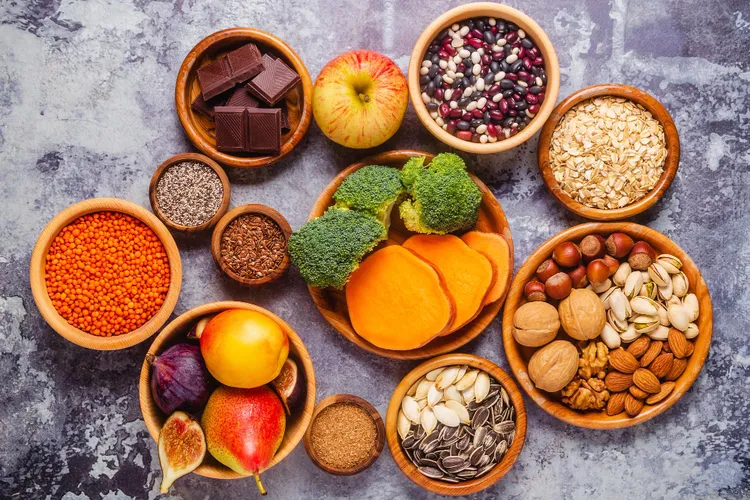
You do not need to adopt a new diet to increase your fiber intake. Most people are 10-15g short of their daily target, which is about one legume-based meal or a few well-chosen swaps away. The changes below are stackable - add two or three and you close most of the gap without rethinking your whole eating pattern.
Swap White Starch for Whole Grain
This is the most commonly recommended fiber swap and it is genuinely effective. White pasta averages about 1.8g of fiber per 100g cooked. Whole-grain pasta averages 3.9g. White rice is around 0.4g per 100g cooked; brown rice is 1.8g. Those differences add up over a week. The switch requires no change to the recipe - same cooking time, same sauce, same plating.
The one grain swap that makes the biggest single-meal difference: replace white rice with pearled barley or bulgur wheat. Both cook in under 30 minutes, both absorb flavors well from broths and spices, and both deliver roughly double the fiber of their refined-grain equivalents.
Add Legumes to Dishes You Already Cook
This is the highest-impact, lowest-effort fiber strategy available:
- Add a drained tin of chickpeas or white beans to any pasta sauce in the last 5 minutes of cooking
- Stir a handful of frozen peas or red lentils into any soup or stew
- Blend half a tin of white beans into a tomato sauce to thicken it while adding ~6g of fiber per serving
- Add black beans to taco filling alongside the meat
- Mix lentils 50:50 with mince in bolognese or cottage pie
Each of these adds 4-8g of fiber to a meal the household already accepts. The chickpea and lentil patties and the black bean soup are good starting points if you want confirmed recipes rather than improvisation.
Use Seeds as a Default Topping
Keep chia seeds, ground flaxseed, and pumpkin seeds in the kitchen and make it a habit to sprinkle them onto things. The specific things do not matter much - oatmeal, yogurt, salads, soups, grain bowls. One tablespoon of chia seeds adds ~4g of fiber. One tablespoon of ground flaxseed adds ~2g. This is the least disruptive way to build 6-8g of extra daily fiber into an existing routine.
Keep the Skins On
A significant portion of the fiber in fruit and vegetables sits in or just below the skin. Potato skin adds about 1.5g of fiber per medium potato compared to peeled. Apple skin adds roughly 1g. Sweet potato skin, carrot skin, cucumber skin - all meaningful if you are eating these regularly. Washing well and leaving the skin on is a zero-effort fiber increase.
Switch Your Snacks
A small bag of crisps provides almost no fiber. An apple provides 4.4g. Hummus with vegetables provides 6-9g. Roasted chickpeas provide 6g per half-cup. Swapping even two snacks per week to higher-fiber options adds up significantly over a month. For a full breakdown, see the article on high-fiber snacks that actually taste good.
Add Vegetables to Breakfast
This sounds strange but works well in practice. Spinach wilted into oats, grated courgette into muffins, sauteed mushrooms alongside eggs - each of these adds 2-4g of fiber before the day has properly started. The savory overnight oats in the high-fiber breakfasts guide are a practical entry point.
How Much Can These Changes Add Up To?
A conservative estimate of a day using several of these swaps:
- Switching white pasta to whole-grain: +4g
- Adding a tin of beans to dinner: +8g
- Chia seeds on morning oats: +4g
- Leaving apple skin on at snack time: +1g
- Hummus and vegetables instead of crisps: +5g
Total additional fiber: +22g. For someone starting at 15g per day, that reaches the daily target for women and gets most men close without any structural change to the diet. For the full week plan using these principles, see the complete guide to high-fiber meal planning.
What Not to Do
Increasing fiber rapidly causes digestive discomfort. Add changes gradually - start with one or two swaps for a week before adding more. And drink more water as fiber intake rises. Fiber absorbs liquid in the digestive tract; without adequate hydration, the transit effects reverse and constipation can actually worsen. Aim for at least 6-8 glasses of water per day when increasing fiber significantly.
A Simple High-Fiber Shopping List
If you are starting from a relatively low-fiber baseline, this is a practical starter list - all items are widely available and inexpensive:
- Rolled oats (large pack - used for breakfast, snacks, and patties)
- Chia seeds (small bag goes a long way)
- Ground flaxseed
- Tinned lentils or dried green/brown lentils
- Tinned chickpeas (2-3 tins)
- Tinned black beans or cannellini beans
- Pearled barley or farro (for grain bases)
- Frozen peas and spinach (both add fiber quickly to any meal)
- Apples, pears, and frozen berries
- Whole-grain bread or rye bread
- Hummus (buy or make from the chickpeas)
Most of these are staples that keep for weeks or months. Stocking them creates the conditions where high-fiber eating is the path of least resistance rather than a special effort.
Disclaimer: This article is for informational purposes only and does not constitute medical or nutritional advice. It is not intended to diagnose, treat, cure, or prevent any condition. Always consult a qualified healthcare professional or registered dietitian before making changes to your diet, especially if you have a medical condition or are managing a mental health concern.
Latest