The Science Behind Cooking and Stress Relief
Cooking is not just a chore - it is one of the most effective stress-relief tools most people already own. Here is what happens in your nervous system when you spend time in the kitchen.
The link between cooking and stress relief is not anecdotal. It is grounded in well-understood neuroscience, and it works through several mechanisms at once - which is part of why the effect feels more reliable than scrolling through a wellness app for twenty minutes.
What Stress Actually Does to the Body
Stress activates the sympathetic nervous system - the fight-or-flight branch. Cortisol and adrenaline flood the bloodstream, heart rate climbs, digestion slows, and attention narrows to perceived threats. This is adaptive in short bursts. Sustained over hours or days, it depletes the body and erodes mood, sleep, and immune function.
The antidote is activation of the parasympathetic nervous system - the rest-and-digest branch. Most stress-relief techniques work by triggering this shift. So does cooking.
Repetitive Tasks and the Parasympathetic Shift
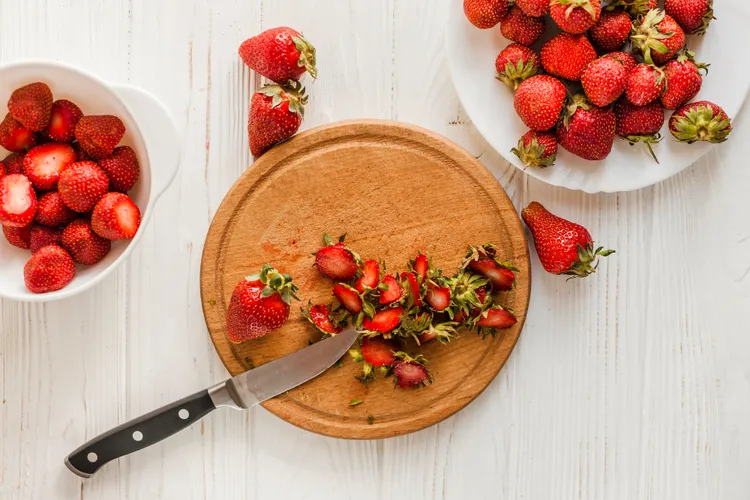
Repetitive manual tasks have a well-documented calming effect. Kneading dough, peeling vegetables, stirring a pot, chopping onions with a rhythm - these activities engage the motor cortex and occupy the hands in a way that interrupts the default mode network, the brain system responsible for rumination and worry.
Research on occupational therapy has used cooking as a clinical intervention for anxiety and stress disorders for decades. The mechanism is the same one behind knitting, rhythmic walking, and certain meditation practices: sustained, low-stakes motor engagement pulls the nervous system out of threat mode.
The Sensory Load of the Kitchen
Stress narrows attention. Anxiety keeps the mind looping on abstract threats - things that have not happened yet, things that cannot be controlled. Cooking is radically concrete. The smell of garlic in hot oil, the sound of water boiling, the texture of dough under your hands - these sensory inputs demand present-moment attention in a way that crowds out the loop.
Psychologists call this grounding: using sensory input to anchor awareness in the present. The kitchen provides it automatically, which is part of why cooking works for stress relief even when people are not consciously trying to use it that way.
Completion and the Reward System
There is a third mechanism: finishing something. Depression and anxiety both interfere with goal-directed behaviour - not because people do not want to do things, but because the reward system is dampened. Cooking provides a concrete completion event multiple times per day. You start, you work, you finish, you eat. The brain registers this as a success, and dopamine is released accordingly.
This is why simple recipes are often more therapeutically useful than ambitious ones. A bowl of leek, potato and lentil soup simmered on a Sunday afternoon delivers the same completion reward as a technically complex dish - with less of the cognitive overhead that can tip cooking from calming into stressful.
What the Research Shows
A 2016 study published in the Journal of Positive Psychology found that people who engaged in small, everyday creative activities - cooking among them - reported higher positive affect and flourishing the following day. The effect was consistent and did not require major creative achievement: just the act of making something.
Separate work from occupational science found that cooking interventions in community mental health settings reduced self-reported anxiety and improved participants' sense of competence and social connection. These are not small effects found in marginal studies - they replicate across populations and settings.
Practical Application
You do not need to cook elaborate meals to get the benefit. The stress-relief effect comes from the process, not the product. Some practical principles:
- Choose recipes with repetitive steps. Soups, stews, bread, and grain dishes involve the kind of sustained, rhythmic work that most reliably activates the parasympathetic shift. Try the slow-cooker red lentil soup - the prep is meditative and the result feeds you for three days.
- Remove distractions. Phone away, no TV. The stress-relief benefit depends on sensory engagement. Distracted cooking is still useful but significantly less so.
- Cook at a pace that feels unhurried. Stress cooking - rushing to get dinner ready before something else happens - does not produce the same effect. Give yourself the time.
- Lower the bar on hard days. Garlic scrambled eggs in four minutes still counts. The goal is presence, not performance.
Cooking vs. Other Stress-Relief Strategies
Exercise, sleep, and social connection are better-evidenced stress interventions than cooking. But cooking has two practical advantages: it has to happen anyway, and it produces something useful. Turning a necessary daily task into a stress-relief practice is a high-leverage move - you do not need to find extra time in the day.
For the broader picture of how cooking fits into mental wellness, the complete guide to cooking as a mental health practice covers the full range of mechanisms and benefits.
Latest