How to Cook with Olive Oil: Everything a Beginner Needs to Know
Extra virgin olive oil is the foundation fat of the Mediterranean diet. This guide covers the difference between olive oil types, smoke points, how to use it for sauteing, roasting and dressing, and why the fear of cooking with EVOO is largely unfounded.
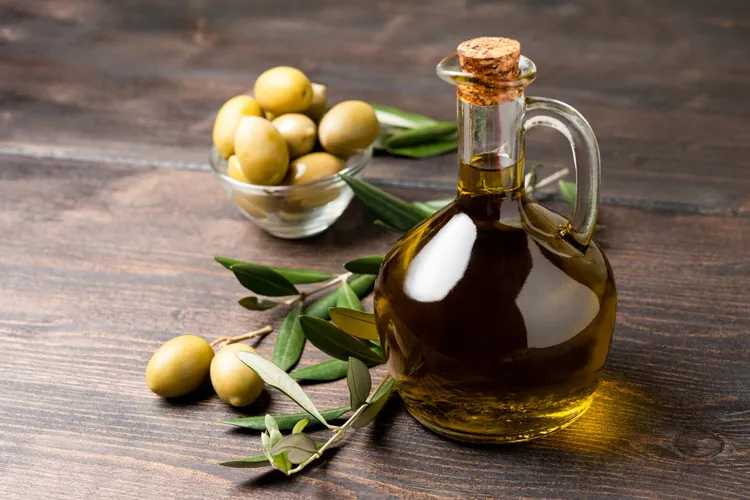
Most beginner cooks treat olive oil as a finishing ingredient - a drizzle over salad, a dip for bread - and reach for vegetable oil when it comes to actual cooking. This is exactly backwards from how olive oil is used in Mediterranean kitchens, where it is the primary cooking fat for sauteing, roasting, braising and frying, used in quantities that would make a cautious Western cook flinch.
Extra Virgin vs Refined: What the Labels Mean
Extra virgin olive oil (EVOO) is the first cold pressing of fresh olives, extracted without heat or chemicals. It has the most flavour, the most polyphenols and antioxidants, and the lowest acidity (below 0.8%). Good EVOO tastes of something - green, grassy, peppery, fruity, bitter - and the flavour varies by olive variety and region. It is the grade to buy, and to use generously.
Virgin olive oil is also cold-pressed but from lower-quality olives or with slightly higher acidity. Less flavourful than EVOO; acceptable for cooking but not for dressing.
Refined olive oil (often labelled "olive oil" or "pure olive oil") is chemically or heat-treated to remove defects. It has a neutral flavour and a higher smoke point. No reason to buy it for home use if you have EVOO.
Light olive oil refers to flavour, not calories. It is refined olive oil - none of the flavour or health benefits of EVOO.
The Smoke Point Myth
The most common objection to cooking with EVOO is that its smoke point - around 190°C / 375°F - is too low for high-heat cooking. This is partly valid and mostly overstated. EVOO should not be used for deep frying at very high temperatures or left in a dry pan over maximum heat until it smokes. It is perfectly suitable for sauteing, roasting at standard oven temperatures, and pan-frying over medium-high heat. The polyphenols in EVOO actually make it more stable under moderate heat than many refined oils.
The practical rule: use EVOO for everything up to and including roasting at 200°C / 400°F and sauteing over medium-high heat. For very high-heat searing, a neutral high-smoke-point oil makes sense. For everything else, EVOO is correct.
How to Use Olive Oil at Each Stage of Cooking
For Sauteing
Start with a generous amount - 2-3 tablespoons in a medium pan. Heat until it shimmers, not smokes, before adding aromatics. Garlic, onions and herbs bloom differently in olive oil than in butter or neutral oils - the fat carries the fat-soluble flavour compounds into the dish in a way that defines Mediterranean cooking.
For Roasting
Toss vegetables generously in olive oil before roasting - they should be well coated, not barely touched. Under-oiled vegetables steam in their own moisture; properly oiled vegetables roast and caramelise. Use at least 3-4 tablespoons per tray.
For Dressing
Use your best EVOO raw, where its flavour is most apparent. Over salads, over finished dishes, dipped with bread, drizzled over soup. The peppery finish of a good EVOO is a flavour in its own right.
For Finishing
A drizzle of good EVOO over a finished dish - soup, braised beans, roasted fish, a plate of hummus - adds a layer of flavour that no amount of salt or spice replicates. This is standard practice throughout the Mediterranean.
Garlic and Olive Oil Pasta (Aglio e Olio)
The purest demonstration of what olive oil can do as a cooking medium and a sauce simultaneously. Five ingredients, twenty minutes.
Ingredients (serves 2)
- 200g spaghetti or linguine
- 6 tbsp extra virgin olive oil
- 4 garlic cloves, very thinly sliced
- 1 tsp dried chilli flakes
- Small bunch of flat-leaf parsley, finely chopped
- Salt and black pepper
- Parmesan or pecorino to serve (optional)
Instructions
- Cook the pasta in well-salted boiling water until al dente. Reserve a large mug of pasta water before draining.
- While the pasta cooks, heat the olive oil in a wide pan over the lowest possible heat. Add the garlic slices and cook very gently for 8-10 minutes until pale gold and completely tender - not brown. Brown garlic is bitter garlic. Add the chilli flakes for the final minute.
- Add the drained pasta to the pan with a generous splash of pasta water. Toss vigorously over medium heat for 1-2 minutes, adding more pasta water as needed, until the sauce emulsifies into a glossy coating.
- Remove from heat, add the parsley and toss. Season and serve immediately.
Nutrition per serving: ~580 kcal | 14g protein | 28g fat | 68g carbs
If you want to know exactly how much fat you should be eating per day, Consillar's macro calculator gives you a personalised breakdown based on your goals and body stats.
Buying and Storing Olive Oil
Buy the best EVOO you can afford and use it quickly - olive oil does not improve with age. Look for a harvest date on the bottle and aim to use it within 18 months of harvest. Store away from heat and light: not next to the hob, not on a sunny windowsill. A dark cupboard or a tin is ideal. Buy in quantities you will use within two to three months of opening.
For how olive oil fits into the broader structure of Mediterranean eating, see the Mediterranean diet beginner's guide. For the pantry staples that complement olive oil in a well-stocked Mediterranean kitchen, the Mediterranean pantry guide covers everything worth keeping regularly stocked.
Latest