The Mediterranean Pantry: 12 Ingredients to Always Have In
A well-stocked Mediterranean pantry means you can cook a proper meal on any night without a specific shopping trip. These 12 ingredients form the backbone of Mediterranean cooking - shelf-stable, versatile and worth keeping in permanent rotation.
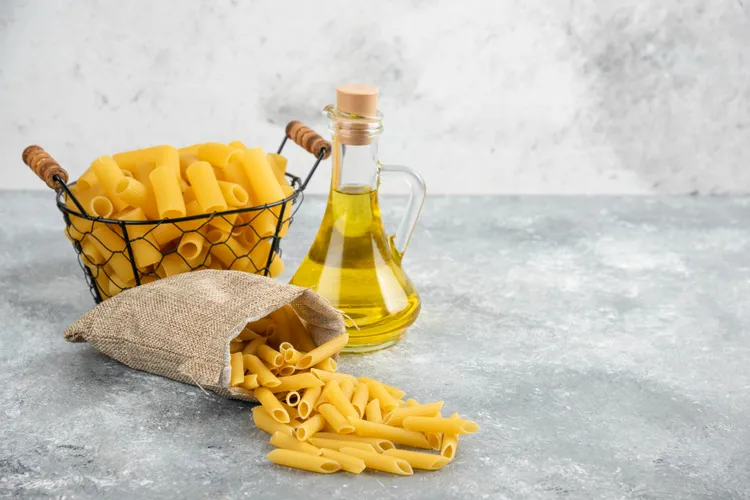
The Mediterranean diet is easy to maintain when the default ingredients are already in the kitchen. The 12 items below appear across Greek, Italian, Turkish, Lebanese, Spanish and North African cooking. Stock these and you are always a few fresh vegetables and a piece of protein away from a complete meal.
1. Extra Virgin Olive Oil
The non-negotiable. Buy one bottle of genuinely good EVOO - single-origin if possible, with a harvest date - and use it for everything: cooking, dressing, finishing. Store away from light and heat. A second cheaper bottle of standard olive oil for high-heat cooking is optional but practical.
2. Tinned Whole Plum Tomatoes
The foundation of countless Mediterranean sauces, stews and braises. Good-quality tinned tomatoes - San Marzano if budget allows - are more consistent than fresh tomatoes for most of the year. Keep at least four cans in stock at all times. Use: pasta sauce, shakshuka base, braising liquid for fish or chicken, base for legume stews.
3. Dried and Tinned Legumes
Tinned chickpeas and cannellini beans for speed; dried red lentils and green/Puy lentils for value and texture. Lentils do not need soaking and cook in 20-25 minutes - making them the most practical legume for weeknight cooking. Use: soups, stews, salads, dips, side dishes.
4. Anchovies (Tinned or Jarred)
Anchovies dissolve into dishes during cooking and add a deep, savoury umami base that has nothing to do with fishiness. They are a background flavouring, not a topping. Add two or three fillets to a pan of olive oil and garlic at the start of a braise, a pasta sauce or a slow-cooked vegetable dish - they will be invisible in the finished dish but the depth of flavour will be unmistakable. Buy good-quality anchovies in olive oil, not brine.
5. Capers
Pickled flower buds with a sharp, briny, slightly floral flavour. Used throughout Italian, Greek and North African cooking - in pasta puttanesca, with roasted fish, in salads, in sauces. Rinse them before use if salt-packed. Keep a jar permanently stocked. They last indefinitely submerged in their brine or salt.
6. Dried Pasta and Whole Grains
A mix of pasta shapes (spaghetti, rigatoni, something short) plus farro, bulgur wheat or barley. Farro is the most versatile whole grain for Mediterranean cooking: nutty, chewy, cooks in 25 minutes, and works in salads, soups and as a side dish. Bulgur wheat is faster still - pour boiling water over it, cover and leave for 15 minutes.
7. Preserved Lemons
Lemons fermented in salt - a North African staple that adds a complex, intensely lemony, slightly funky flavour impossible to replicate with fresh lemon juice. Use the rind only (discard the flesh and any seeds), finely chopped or sliced, in salads, grain dishes, with roasted chicken or fish, stirred into hummus or yoghurt. A jar lasts for months in the fridge. Available in larger supermarkets and Middle Eastern grocers.
8. Dried Herbs: Oregano, Thyme, Bay
The holy trinity of dried Mediterranean herbs. Dried oregano is more intense than fresh and is the correct choice for tomato sauces, marinades and anything Greek or Italian. Dried thyme is excellent in braises and with roasted vegetables. Bay leaves go into every slow-cooked dish and every pot of legumes. Replace them annually - old dried herbs taste of nothing.
9. Harissa
A North African chilli paste of roasted red peppers, chillies, garlic, cumin, coriander and caraway. Used as a condiment, a marinade, a stir-in for soups and stews, and a base for roasting. A jar or tube of good harissa transforms a simple piece of chicken or a bowl of white beans. Heat levels vary by brand - taste before using a generous quantity.
10. Tahini
Ground sesame paste - the base of hummus and a flavouring across the Middle Eastern and North African Mediterranean. Used in sauces (tahini thinned with lemon juice and water is a dressing for almost anything), in dips, drizzled over roasted vegetables, stirred into soups. Buy the runny, pourable kind - stiff tahini is old or poorly made. Keep refrigerated after opening.
11. Good-Quality Tinned Fish: Sardines and Tuna
Tinned sardines in olive oil and good-quality tinned tuna (in olive oil, not brine) are among the most nutritionally dense and practical ingredients in a Mediterranean pantry. Sardines on toast with capers and a drizzle of lemon is a complete lunch in five minutes. Tuna mixed through cooked pasta with olive oil, capers, olives and parsley is a complete weeknight dinner. Keep at least four tins of each.
12. Red Wine Vinegar and White Wine Vinegar
The acids that balance olive oil in dressings, marinades and braises. Red wine vinegar for salads, Greek-style dressings, and anything robust. White wine vinegar for lighter dressings, fish dishes, and anything where a gentler acid is needed. A bottle of each lasts months and costs very little. Sherry vinegar - slightly richer and more complex - is worth adding if you cook Spanish food regularly.
Making It Work in Practice
With these 12 items in the kitchen plus a few fresh vegetables and a piece of protein, the number of complete Mediterranean meals available without a specific shopping trip is large: pasta with anchovy and caper sauce, white beans braised in tomato and harissa, lentil soup with preserved lemon, tuna and chickpea salad with red wine vinaigrette, sardines on toast with capers. The pantry does most of the work.
For the full picture of what belongs in a Mediterranean diet week to week, see the complete Mediterranean diet food list. For how to put these ingredients together into a structured week of eating, the Mediterranean diet beginner's guide is the right starting point.
Latest