Creamy Dill Sauce for Salmon, Potatoes, and More
A single creamy dill sauce base and three serving directions, so one batch doesn't mean one dinner.
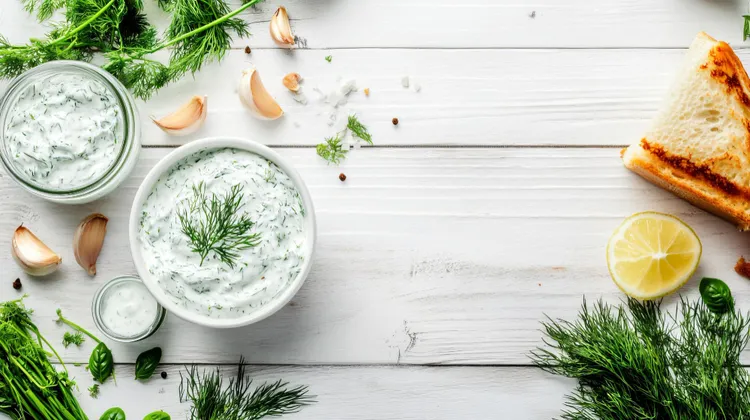
A single batch of creamy dill sauce covers more ground than most people realize, well beyond the classic salmon pairing. Making a full batch and directing it toward two or three different meals is a more efficient use of a dill surplus than making a smaller amount for a single dish.
Base Recipe
Combine 1/2 cup sour cream or full-fat Greek yogurt, 2 tablespoons mayonnaise, 2 tablespoons finely chopped fresh dill, 1 teaspoon lemon juice, 1 small clove garlic (grated or very finely minced), and salt and pepper to taste.
- Whisk the sour cream or yogurt with the mayonnaise until smooth
- Stir in the chopped dill, lemon juice, and garlic
- Season with salt and pepper, then taste and adjust; the sauce improves after sitting for at least 15 minutes as the flavors meld
This makes about 3/4 cup, enough to generously sauce 4 salmon fillets or serve as a dip for a small gathering.
Serving Direction 1: Over Salmon
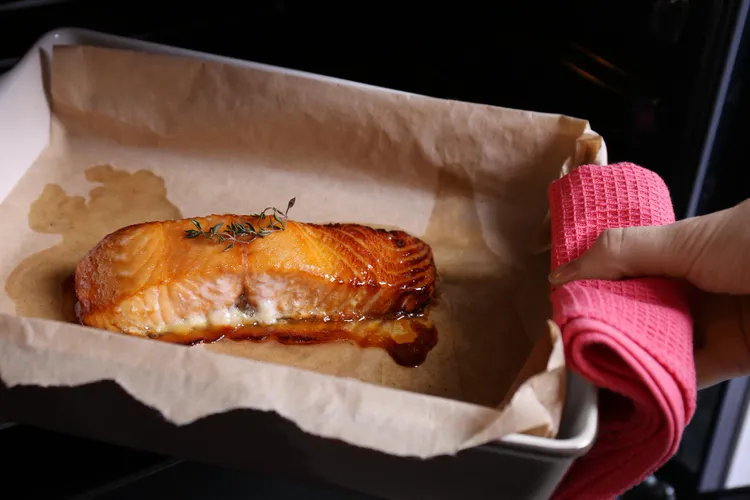
Spoon over pan-seared or baked salmon right before serving. The sauce's cool, tangy creaminess is a classic match for the richness of the fish and needs no further adjustment beyond what's already in the base recipe.
Serving Direction 2: Over Roasted Potatoes
Toss warm roasted or boiled baby potatoes with a few spoonfuls of the sauce right before serving, similar to a warm potato salad. The sauce's acidity and creaminess work well against the potatoes' starchiness, and this is a good way to use a larger portion of a batch at once compared to a fish topping alone.
Serving Direction 3: As a Sandwich or Wrap Spread
Use in place of plain mayonnaise on a sandwich, especially with smoked salmon, turkey, or a vegetable wrap. This stretches a batch across several lunches rather than a single dinner, and it holds up well in the fridge for a few days once assembled into a sandwich spread jar.
Storage
The sauce keeps refrigerated in a sealed container for about 4 to 5 days. It's not a good candidate for freezing, since dairy-based sauces like this tend to separate and turn grainy once thawed.
Common Mistakes
- Using pre-chopped, wilted dill. Freshly chopped dill gives noticeably brighter flavor than dill that's been sitting chopped for a while, since cut herbs lose aroma quickly.
- Skipping the resting time. The sauce tastes flatter immediately after mixing; letting it sit for at least 15 minutes lets the garlic and dill flavors integrate fully.
- Making it too thin for the intended use. For the potato application specifically, a thicker consistency (less lemon juice, more sour cream relative to mayonnaise) clings better to warm potatoes than a thinner version.
Frequently Asked Questions
Can I make this sauce vegan?
Yes, a plant-based sour cream or yogurt alternative and vegan mayonnaise substitute reasonably well, though the tang and richness will vary depending on the brand used.
Can I use dried dill in this recipe?
Yes, in a pinch, at roughly a third of the fresh quantity, though the sauce won't have quite the same bright color or fresh aroma as one made with fresh dill.
Does this sauce work with fish other than salmon?
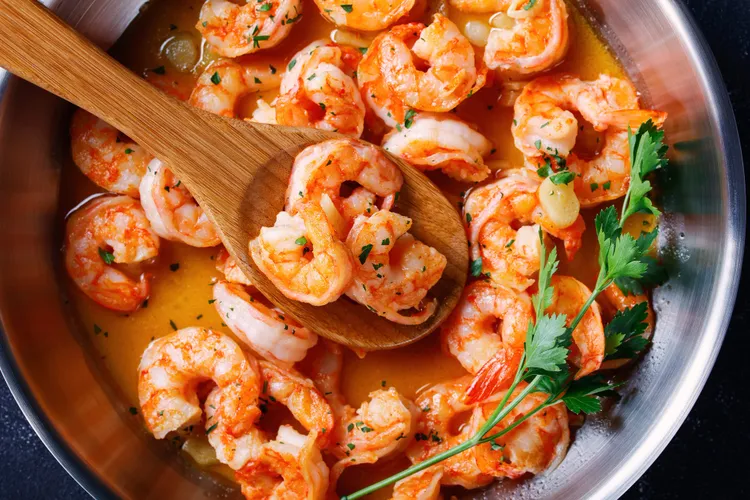
Yes, it pairs well with most mild white fish, trout, and even grilled shrimp, following the same serving approach as the salmon application above.
Adjusting Consistency for Each Use
The base recipe produces a medium-thick sauce suited to spooning over salmon. For the potato application, a slightly thicker consistency, achieved by using less lemon juice and a touch more sour cream relative to mayonnaise, clings better to warm potatoes than a thinner version. For the sandwich spread application, a slightly thinner consistency, achieved with an extra small splash of lemon juice or a teaspoon of water, spreads more easily without tearing softer bread.
Making a Larger Batch for Multiple Meals
Because the sauce keeps for 4 to 5 days refrigerated, doubling the base recipe at the start of the week and directing different portions toward salmon one night, potatoes another, and sandwiches for lunch is a practical way to plan around a single batch rather than making a fresh version for each meal.
Common Mistakes
- Using pre-chopped, wilted dill. Freshly chopped dill gives noticeably brighter flavor than dill that's been sitting chopped for a while, since cut herbs lose aroma quickly.
- Skipping the resting time. The sauce tastes flatter immediately after mixing; letting it sit for at least 15 minutes lets the garlic and dill flavors integrate fully.
- Making it too thin for the intended use. For the potato application specifically, a thicker consistency clings better to warm potatoes than a thinner version.
- Adding the sauce to food that's too hot. The sauce is meant to stay cool and creamy against warm food; adding it to something still at a full simmer can cause it to separate or thin out unpleasantly.
Frequently Asked Questions
Can I make this sauce vegan?
Yes, a plant-based sour cream or yogurt alternative and vegan mayonnaise substitute reasonably well, though the tang and richness will vary depending on the brand used.
Can I use dried dill in this recipe?
Yes, in a pinch, at roughly a third of the fresh quantity, though the sauce won't have quite the same bright color or fresh aroma as one made with fresh dill.
Does this sauce work with fish other than salmon?
Yes, it pairs well with most mild white fish, trout, and even grilled shrimp, following the same serving approach as the salmon application above.
Can I turn this into a salad dressing?
Yes, thinning it further with a little extra lemon juice or a splash of water or buttermilk turns the same base into a workable dressing for a green salad or a coleslaw.
Tips for Success
Make the sauce a few hours ahead if possible rather than right before serving, since the resting time genuinely improves the flavor. Planning which of the three serving directions each portion of a batch is headed toward, before making it, helps ensure the full batch gets used across a few meals rather than sitting in the fridge untouched after the first use, and mapping this out as part of a weekly meal plan makes it even easier to follow through.
Latest