How to Reheat Steak Without Overcooking It
A cold steak can go from medium-rare to well-done in the microwave. Here's the low-oven-then-sear method that brings it back close to its original doneness.
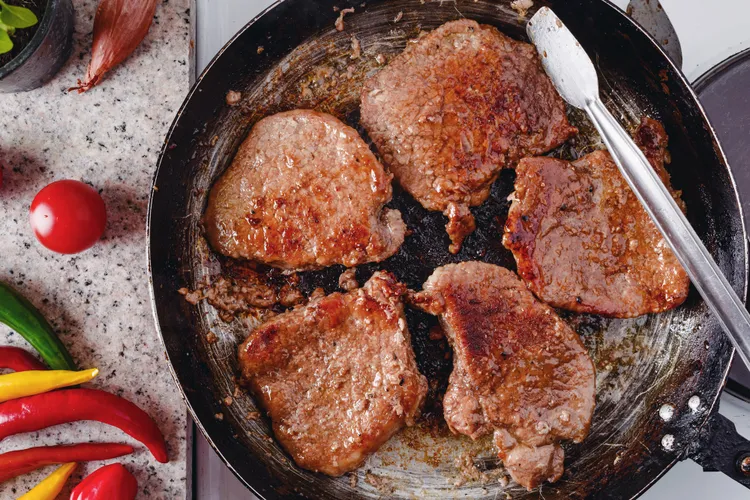
Steak is the leftover people are most afraid to reheat, and for good reason: it's easy to turn a perfectly cooked medium-rare into a gray, overcooked slab. The good news is that with the right method, you can bring a cold steak back to nearly its original doneness.
Why the Microwave Ruins Steak
Microwaves heat unevenly and keep cooking the meat well past the point you'd want to stop, which pushes a medium-rare steak straight to well-done with no way to catch it in between. There's no way to control doneness once it's in there, so it's the one method worth skipping entirely for steak.
The Best Method: Low Oven, Then a Quick Sear
Preheat your oven to 250°F. Place the steak on a wire rack over a baking sheet (this keeps it from sitting in its own juices) and heat for about 10-15 minutes, until it reaches roughly 10°F below your original target temperature. Then sear it in a hot skillet for 30-60 seconds per side to bring back the crust. This two-step method, sometimes called a reverse sear, is the closest you'll get to fresh-off-the-grill texture.
Stovetop-Only Method
No time for the oven step? Slice the steak thin, heat a splash of butter or oil in a skillet over medium heat, and warm the slices for 30-45 seconds per side. Slicing first means less surface area is overcooked compared to reheating a whole steak in the pan.
Letting the Steak Rest Again
Just like the first time you cooked it, let the steak rest for a couple of minutes after reheating. This gives the juices time to redistribute instead of running out the moment you cut into it.
How Long Reheated Steak Lasts
Cooked steak keeps for 3-4 days in the fridge. It's one of the few meats where reheating gently really does preserve most of the original quality, as long as you skip the microwave.
A cut like pan-fried T-bone with butter and olive oil reheats especially well with the reverse-sear method, since the butter in the original recipe helps keep the meat from drying out on the second pass.
For general reheating principles across other proteins, see the full meal-prep reheating guide.
Latest