How to Reheat Meal-Prepped Food Without Drying It Out
The core rules for reheating leftovers so they come out juicy instead of dry, plus links to food-specific guides for chicken, salmon, pasta, rice, and more.
Most dry, rubbery, or mushy leftovers come down to one mistake: blasting food with high, uneven heat until it's "hot enough," instead of warming it gently and putting moisture back where cooking took it out. Once you know the few variables that actually matter, reheating stops being a guessing game.
Why Reheated Food Turns Out Wrong
Heat pulls moisture out of food as it cooks, and it does it again every time you reheat. Proteins tighten and squeeze out juice, starches lose the water that made them soft, and sauces separate when they're heated too fast. Microwaves make this worse because they heat unevenly, cooking the edges of a dish long before the center is warm, so by the time the middle catches up, the edges are overcooked.
Four Rules That Apply to Almost Everything
- Heat low and slow. A gentler heat source, whether that's a 300°F oven, a covered skillet on medium-low, or a microwave at 50% power, gives the inside time to warm up before the outside overcooks.
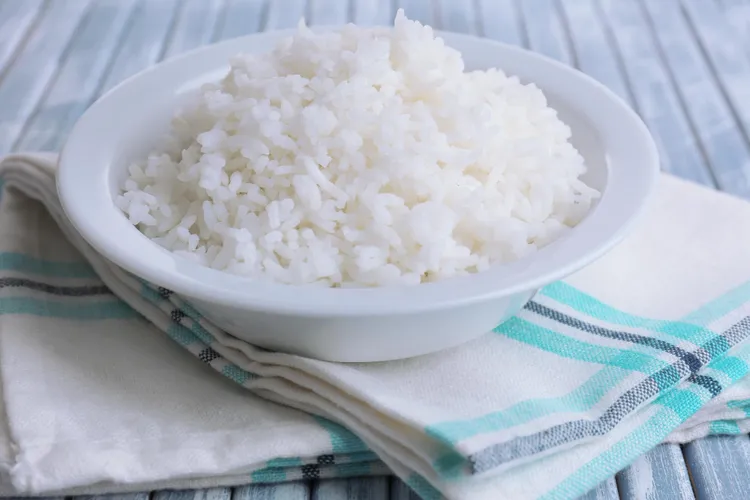
- Add moisture back. A splash of broth, water, or sauce before reheating replaces what evaporated during storage. This matters most for meat, rice, and pasta.
- Cover it. A lid, foil tent, or damp paper towel traps steam and keeps that moisture from just evaporating again.
- Stop before it's scalding. Reheat to "hot enough to eat," not "hot enough to keep cooking on the plate." Carryover heat will finish the job.
Matching the Method to the Food
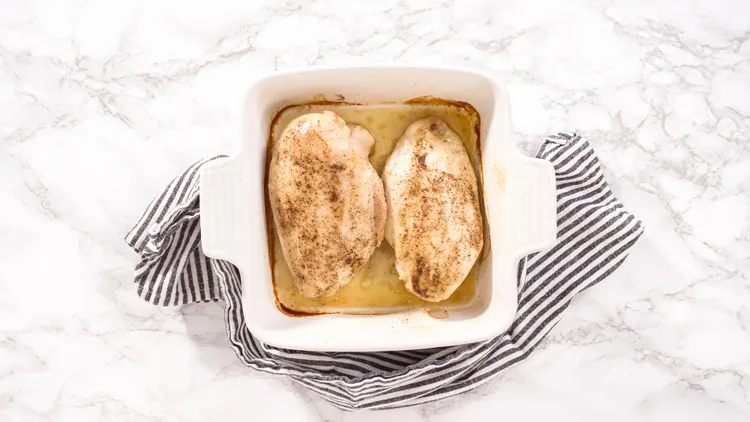
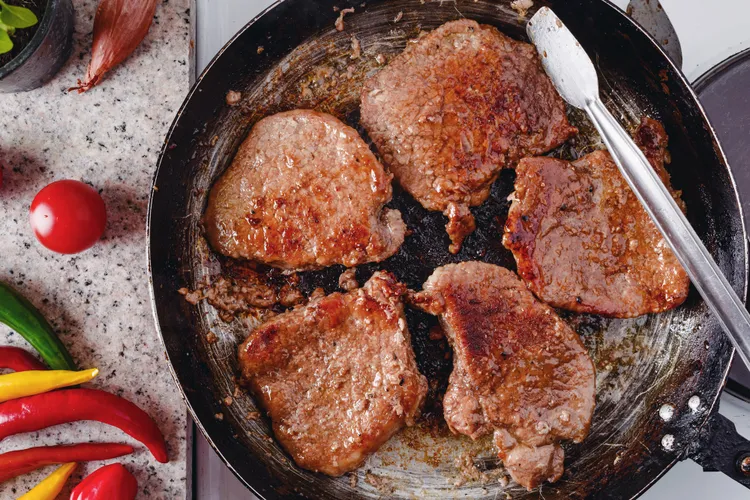
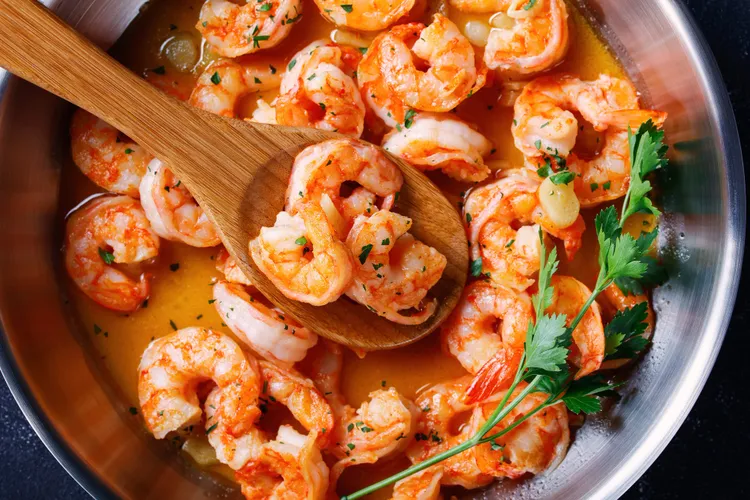
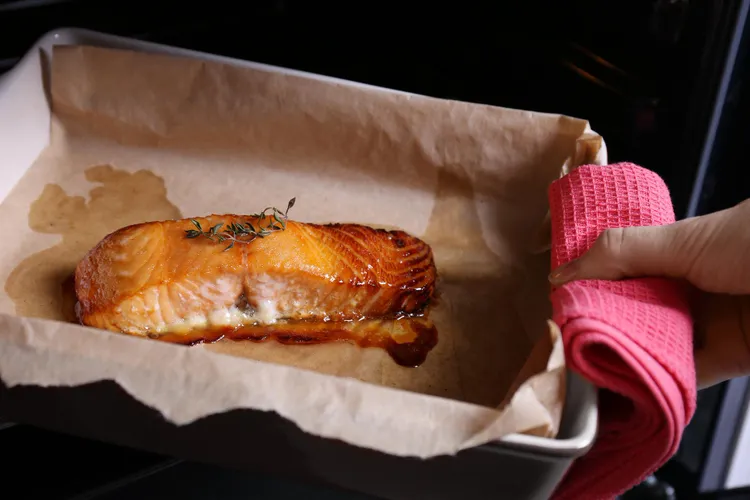
Not every dish reheats the same way, and the biggest mistake home cooks make is using the microwave for everything by default. Proteins like chicken breast, salmon, and steak almost always do better in an oven, air fryer, or covered skillet, where the heat is gentler and more even. Starches like pasta and rice need a splash of liquid no matter which method you use. Delicate seafood like shrimp needs the shortest reheat time of anything on this list, since it goes from perfect to rubbery in under a minute of extra heat.
A Quick Reference for Busy Weeknights
If you only remember one thing from this guide, remember this: the microwave is for speed, the oven and stovetop are for quality. When you have 10 extra minutes, a 300°F oven or a covered skillet on medium-low will save almost any leftover. When you don't, cover the dish, add a splash of liquid, and use 50-70% power on the microwave instead of full blast.
Storage Habits That Make Reheating Easier
How you store food the first time affects how well it reheats. Cool food before sealing the container so it doesn't steam itself soggy, portion it into meal-sized containers so you're not repeatedly reheating the same batch, and keep sauces separate from starches when you can, so the pasta or rice doesn't soak up all the liquid before you even get to reheating day.
Guides for Specific Foods
For step-by-step instructions on the foods you actually cook most, check out the guides below. Each one covers the method that works best for that specific food, the mistakes to avoid, and how long to reheat it for.
- How to Reheat Chicken Breast Without Drying It Out
- How to Reheat Salmon Without Drying It Out
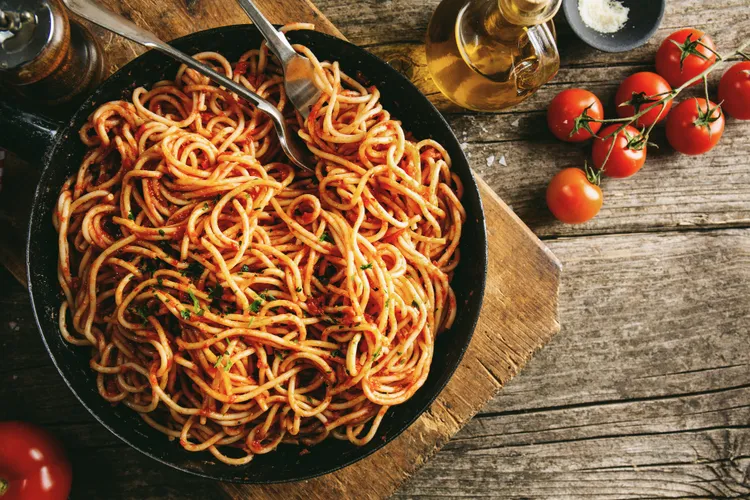
- How to Reheat Pasta Without It Getting Mushy or Dry
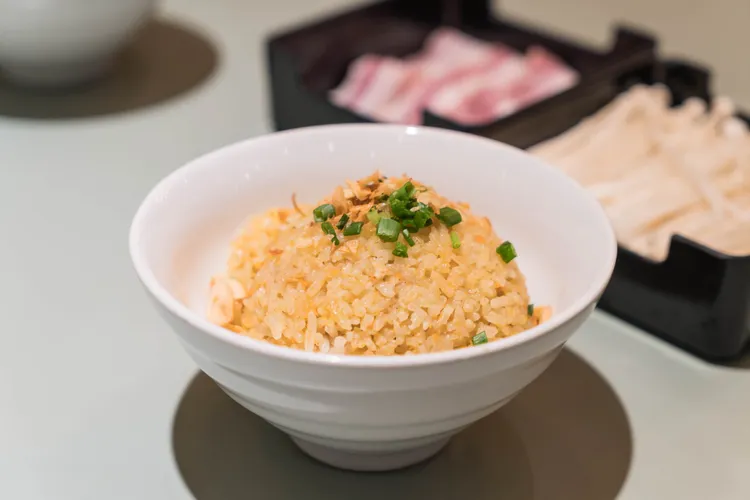
- How to Reheat Rice Without It Drying Out or Clumping
- How to Reheat Steak Without Overcooking It
- How to Reheat Ground Beef or Taco Meat Without Drying It Out
- How to Reheat Shrimp Without Making It Rubbery
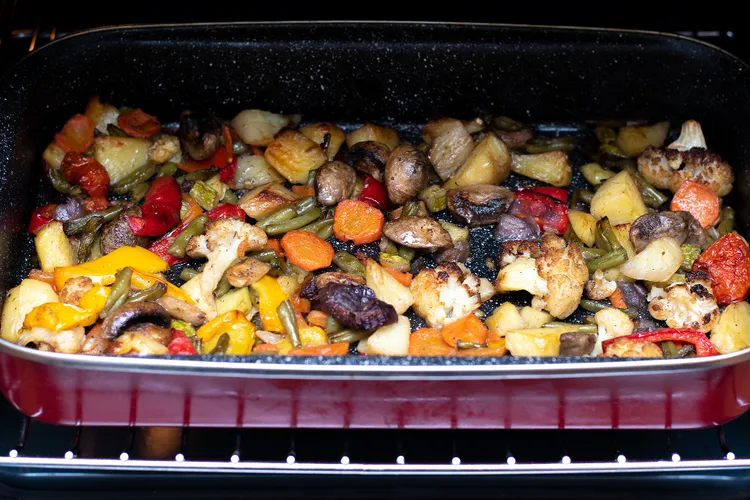
- How to Reheat Roasted Vegetables So They're Crispy Again
- How to Reheat Fried Rice Without It Turning Mushy
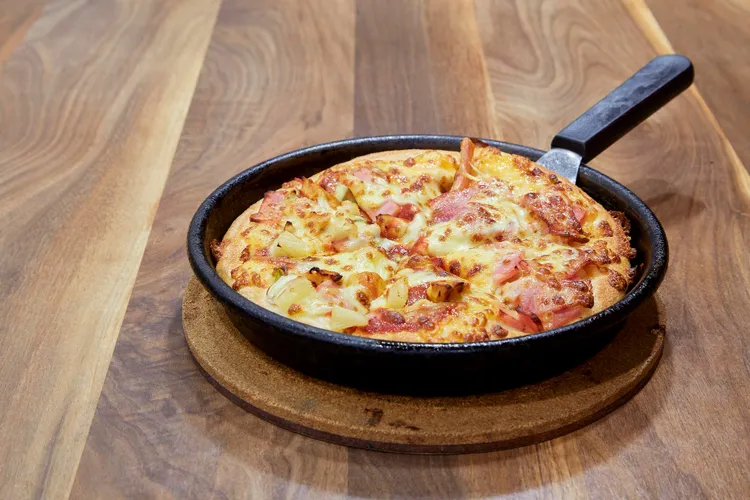
- How to Reheat Pizza Without a Soggy Crust
- How to Reheat Soup or Stew Without Separating the Sauce
- Is It Safe to Reheat Food Twice? A Practical Guide
Latest