Korean Gochujang: Where Swangy Meets Deep Fermented Heat
Gochujang is a Korean fermented chilli paste with a flavour profile unlike any other hot sauce: sweet, spicy, deeply funky from long fermentation, and faintly fruity. It is one of the most versatile swangy ingredients you can add to a pantry, and it costs under £4.
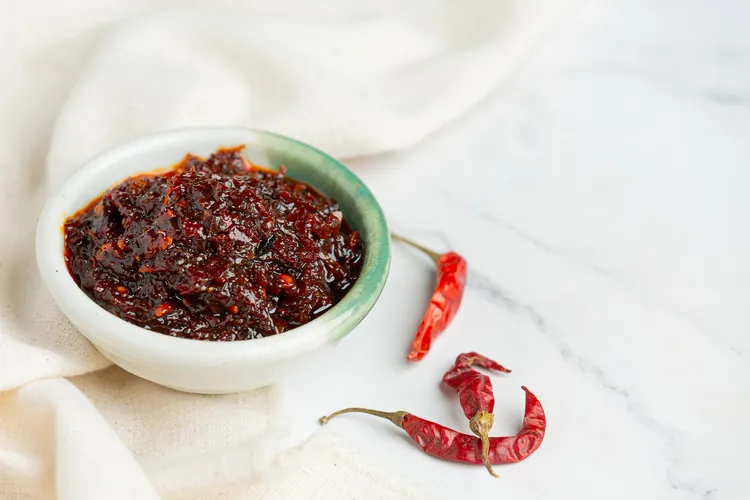
Gochujang has had a significant run in Western food culture over the past decade, and it earned the attention. Most hot sauces are one-dimensional. Gochujang is four things at once: spicy from the gochugaru chilli; sweet from the fermented glutinous rice in its base; deeply umami from the fermented soybean component; and funky with a complexity that comes from months of fermentation. A tablespoon of gochujang does more flavour work than most condiments can manage in four times the quantity.
What Gochujang Actually Is
Gochujang is made from three primary fermented ingredients: gochugaru (Korean red chilli flakes), meju (fermented soybean powder), and glutinous rice, combined with salt and fermented together for months to years. The glutinous rice ferments into sugars that sweeten the paste; the meju provides deep umami; the gochugaru provides heat and colour. Traditional gochujang is fermented outdoors in earthenware jars, with the temperature cycling through seasons. Commercial versions ferment in controlled conditions for a shorter period - still months, not weeks.
The result is a thick, dark-red paste with a complex aroma - simultaneously sweet, earthy, spicy, and faintly sour from the fermentation acids. No Western condiment does the same thing.
Macros per Tablespoon (~18g)
- Calories: 35-40 kcal
- Carbs: 7-8g (mostly from the fermented rice)
- Protein: 1g
- Fat: 0.5g
- Sodium: ~300-400mg
Heat Level
Gochujang is moderately spicy - significantly hotter than sriracha but less aggressive than raw chilli paste. The sweetness in the paste perceptibly moderates the heat, which makes it more approachable than its chilli content suggests. Most commercial brands are labelled mild, medium, or hot. Start with medium; the mild version can taste slightly flat to a cook used to spicy food.
Which Brand to Buy
- CJ Haechandle: The most widely available brand in UK supermarkets and Asian grocery stores. Reliable, consistent, ~£2-4 per tub. The medium heat level is the most versatile.
- Chungjungone: Slightly sweeter and less sharp. A good option if you want to use gochujang in dressings where a milder flavour profile works better.
- O'Food: Available in larger Asian grocery stores. More complex flavour than the mainstream brands, closer to a traditionally fermented product.
- Cost: ~£2-4 per 200-500g tub. Keeps refrigerated for 12+ months once opened - the high salt and fermentation ensure long shelf stability.
How to Use Gochujang Beyond Bibimbap
Quick Swangy Gochujang Glaze
2 tbsp gochujang + 1 tbsp honey + 1 tbsp soy sauce + 1 tsp sesame oil + 1 tsp rice vinegar. Whisk together. This is the base for most gochujang glazes - use on chicken, pork, tofu, or aubergine. Brush on in the last 5 minutes of grilling or roasting. Per tbsp glaze: ~45 kcal, 10g carbs.
Excellent on pan-roasted chicken thighs - brush the glaze on after flipping the thighs and let it caramelise in the last 3-4 minutes.
Gochujang Pasta Sauce
1 tbsp gochujang + 2 tbsp butter + 100ml double cream + 1 garlic clove (grated). Cook garlic in butter 1 minute, add gochujang and stir until fragrant, add cream, reduce for 2 minutes. Toss with pasta. Finish with parmesan. Feeds 2. The gochujang replaces both the tomato and the spice component simultaneously. This is a Korean-Italian hybrid that should not work but does.
In Marinades
1 tbsp gochujang + 1 tbsp soy sauce + 1 tbsp sesame oil + 1 tsp sugar + 2 garlic cloves, grated. This is a complete marinade - no other seasoning needed. Works on pork belly, chicken thighs, beef short rib, or mushrooms. Marinate minimum 30 minutes, overnight for deeper flavour penetration.
As a Stir-Fry Base
Add 1 tsp gochujang to the wok before other ingredients, frying it in oil for 30 seconds until fragrant. Then add protein and vegetables. The fermented paste disperses through the oil and coats everything that follows.
In Soups and Stews
A tablespoon stirred into any tomato-based soup, bean stew, or broth at the end of cooking adds a sweet-spicy depth that no single spice can replicate. Try it in a basic tomato soup: the gochujang makes it taste like it simmered for hours longer than it did. Also excellent in egg drop soup - 1/2 tsp swirled in at serving adds a swangy dimension to the clean broth.
For the full swangy pantry context, see the Complete Guide to the Swangy Flavour Movement.
Latest