The Swangy Flavour Movement: What It Is and How to Cook With It
Swangy is the flavour profile that food culture has been building toward for years: tangy, sweet, and funky all at once, hitting multiple taste registers simultaneously. This guide explains what it is, where it comes from, and how to build it deliberately in your own kitchen.
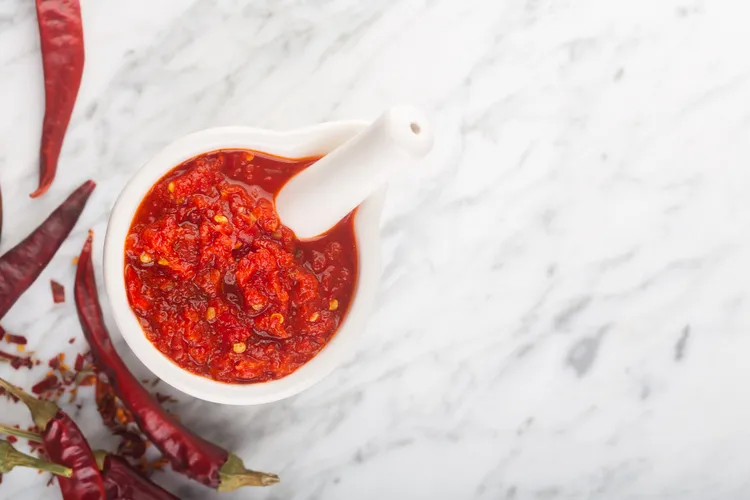
There is a moment when you eat something and cannot quite describe why it is so compelling. The flavour is bright but not harsh, sweet but not cloying, savoury with an edge of fermented depth. You want another bite before the first one has finished. That is swangy - a coined term for a specific flavour convergence that has been quietly showing up across global street food, condiment culture, and home cooking for years, and is now impossible to ignore.
What Makes Something Swangy
Swangy is not a single ingredient or a cuisine. It is a flavour architecture built from three simultaneous elements:
- Tang: A bright, mouth-watering acidity - from tamarind, vinegar, citrus, fermentation, or souring agents like amchur and sumac. The acid component is what makes swangy food feel alive rather than flat.
- Sweetness: Not dessert-sweet. A background sweetness - from fruit, a small amount of sugar, palm sugar, or the natural sugars in fermented ingredients - that rounds the acidity and prevents it from being harsh.
- Funk: A fermented, aged, or pungent depth that anchors the brighter notes. This is where fish sauce, gochujang, tamarind paste, chamoy, pickled fruit, and fermented black beans come in. Without the funk, swangy is just sweet-and-sour. The funk is what makes it craveable.
The three elements interact with each other. Sweetness softens the tang; funk deepens both; acid amplifies the sweetness by contrast. For a deeper look at why this combination works neurologically, see our guide to what umami is and why certain flavours are so craveable.
Where Swangy Comes From
Swangy is not new - it is a pattern that has always existed in cuisines that lean on fermented condiments and souring agents. What is new is the name, and the cross-cultural recognition that these disparate food traditions are doing the same thing:
- Mexico: Chamoy - a condiment made from fermented fruit, chilli, and lime - is perhaps the most perfectly swangy single ingredient in existence. It goes on mango, on elotes, on the rim of a glass. Full chamoy guide here.
- South and Southeast Asia: Tamarind underpins swangy across Indian chutneys, Thai pad thai sauce, and Worcestershire sauce (which is British in name but South Asian in ingredient logic). Full tamarind guide here.
- Korea: Gochujang - fermented chilli paste with a sweet-spicy-funky profile - is the Korean entry point into swangy cooking. It has crossed into mainstream Western cooking faster than almost any other fermented condiment in recent years. Full gochujang guide here.
- Middle East and North Africa: Pomegranate molasses, sumac, and preserved lemon all deliver swangy profiles in Levantine and North African cooking. Sumac in particular is the fastest path to a swangy note in any dish - see the souring agents guide.
- Philippines: Sinigang (sour tamarind soup), kare-kare with bagoong, and the pickled-fruit-plus-chilli-salt street snack culture are all built on swangy logic.
The Swangy Pantry at a Glance
You do not need everything. A starter shelf that covers the main swangy bases:
- Tamarind paste or concentrate: ~£2-3, covers Indian, Thai, and Mexican applications
- Gochujang: ~£2-4 per tub, the most versatile single fermented-sweet-spicy ingredient
- Fish sauce: ~£2-3, provides the funk layer in Southeast Asian-style swangy dishes
- Good quality vinegar (rice vinegar or apple cider): ~£2, the neutral acid base
- Chamoy sauce: ~£3-5, available from Mexican or Latin American grocery stores, optional but uniquely useful
- Sumac: ~£2-3, the fastest-deploying souring agent for dry rubs and dressings
For a full curated shopping list with costs and shelf lives, see The Swangy Pantry: 10 Ingredients to Buy This Week.
Building Swangy in a Dish: The Formula
Most swangy dishes follow the same structural logic regardless of which cuisine they come from:
- Acid base: Tamarind, citrus, vinegar, fermented liquid, or a souring agent
- Sweetener: Palm sugar, brown sugar, honey, fruit, or the natural sugars in a fermented paste
- Funk layer: Fish sauce, gochujang, fermented black beans, miso, anchovy, shrimp paste
- Heat (optional but common): Fresh chilli, chilli flakes, hot sauce - heat amplifies the tang and makes the sweetness more perceptible by contrast
- Fat (optional): Oil or coconut milk rounds the sharp edges and carries the fat-soluble aromatics
A simple swangy dressing using this formula: 2 tbsp tamarind paste + 1 tbsp palm sugar + 1 tbsp fish sauce + juice of 1 lime + 1 tsp chilli flakes. Whisk, taste, adjust. This covers all five elements in under two minutes and works on grilled chicken, noodle salads, roasted vegetables, and steamed fish. For more complete dressing recipes, see 5 Swangy Salad Dressings.
Swangy on a Budget
One of the appealing things about swangy cooking is that the most powerful ingredients are among the cheapest. Tamarind concentrate, fish sauce, gochujang, and sumac combined cost under £12 and last months. The flavour return per pound spent is exceptional compared to buying flavoured sauces or marinades. A homemade swangy hot sauce (see the recipe here) costs under £1 for a full bottle and is better than most premium commercial versions.
The Store-Bought Swangy Landscape
If you want to explore swangy before building a pantry, a few ready-made products demonstrate the profile clearly:
- Cholula Chili Lime hot sauce: Tang-forward, mild heat, slightly sweet - a straightforward swangy gateway
- Tamarind chutney (any Indian grocery brand): Sweet, sour, faintly funky - the clearest tamarind-forward swangy example
- Gochujang (any Korean brand): CJ Haechandle and Chungjungone are reliable and widely available
- Chamoy sauce (Miguelito or Tajin brands): Available from Latin American grocery stores
- Pomegranate molasses (Cortas or Al Wadi): Intensely sour-sweet, works as a swangy drizzle on almost anything savoury
Swangy Across the Week: Sample Applications
Monday: Gochujang marinade on chicken thighs - see swangy marinades for grilled meats. Tuesday: Tamarind dressing on a grain bowl. Wednesday: Quick-pickled mango over fish tacos - see pickled fruit guide. Thursday: Sumac-rubbed roasted vegetables. Friday: Chamoy drizzled over fresh fruit as a snack. Weekend: Homemade swangy hot sauce batch - see the recipe.
Latest