How to Make a Shrub: Drinking Vinegars for Cocktails and Mocktails
A shrub is a concentrated syrup of fruit, sugar, and vinegar - mixed with sparkling water or used as a cocktail component. They take about 10 minutes of active work, last months in the fridge, and produce drinks with a complexity that no fruit juice alone can match.
Shrubs predate refrigeration by centuries. Before reliable cold storage, fruit was preserved in vinegar syrups and the resulting concentrate was diluted to drink - a practice common in Colonial America, across the Middle East, and throughout Asia. The modern revival has more to do with flavor than necessity: the combination of sweet fruit and acetic acid produces a drink with a tartness and depth that's genuinely hard to replicate any other way. The vinegar rounds out the sweetness and adds a back-palate complexity that keeps the drink interesting rather than cloying.
The Basic Formula
Equal parts by weight: fruit (or fruit juice), sugar, and vinegar. That's the starting point. In practice, you'll almost always adjust based on the fruit's natural sweetness, the vinegar's sharpness, and what the shrub is for. Strawberries are very sweet - you might reduce the sugar slightly. Rhubarb is very tart - you might reduce the vinegar. The formula is a framework, not a fixed recipe.
A fruity, mild vinegar produces the most approachable shrubs. Apple cider vinegar works with almost any fruit. White wine vinegar is cleaner and less fruity. White balsamic (not regular balsamic) is sweet and mild, good for delicate fruits. Red wine vinegar works well with robust berries that can stand up to the stronger acid. Rice vinegar makes lighter, more delicate shrubs suited to Asian-inflected flavor combinations.
Two Methods
Cold Process (Best Flavor, 48 Hours)
The cold process preserves the freshest, brightest fruit flavors. It takes longer than the hot process but requires almost no active time.
- Combine 200g fruit with 200g sugar in a clean jar. For whole berries or chunks, muddle or lightly smash them to break the skin and encourage juice release.
- Stir to combine, cover, and refrigerate for 24 to 48 hours. The sugar draws liquid from the fruit through osmosis. Stir once or twice during the process.
- After 24 to 48 hours, strain through a fine-mesh sieve, pressing the fruit solids firmly. Discard the solids or use them in yogurt or baking.
- Stir 200ml of your chosen vinegar into the strained syrup. Taste and adjust: more vinegar for sharpness, a small amount of additional simple syrup if too tart.
- Bottle and refrigerate. Ready to use immediately, though flavors meld and improve over 1 week.
Hot Process (Faster, Good for Hardy Fruits)
The hot process works particularly well for fruits that need help releasing their juice - apples, pears, rhubarb, firm berries. Heat mellows the fresh fruit quality slightly but produces a richer, more concentrated flavor in some applications.
- Combine 200g chopped fruit with 200g sugar and 60ml water in a small saucepan over medium heat.
- Stir until the sugar dissolves. Let simmer gently for 8 to 10 minutes until the fruit softens and releases its juice.
- Strain through a fine-mesh sieve, pressing the solids. Cool the syrup to room temperature - don't rush this.
- Once completely cool, stir in 200ml of vinegar. Adding vinegar to a hot syrup drives off the volatile aromatic acids and produces a flatter result.
- Bottle and refrigerate. Ready immediately.
Vinegar Pairing by Fruit
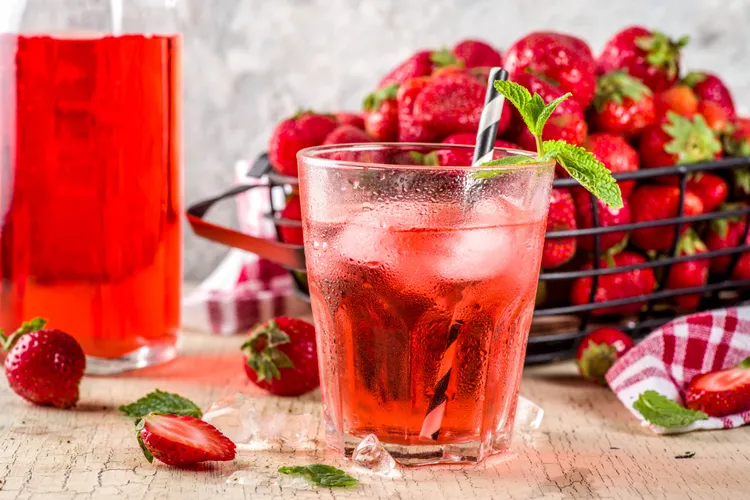
- Strawberry: Apple cider vinegar or white balsamic. Add a few turns of cracked black pepper or 4 to 5 fresh basil leaves during the cold process for complexity.
- Raspberry: Red wine vinegar or ACV. Raspberry has enough acidity and intensity to stand up to red wine vinegar. Add a few sprigs of fresh thyme.
- Blackberry: Red wine vinegar. The tannins in the berries mirror the tannins in the vinegar. Add a sprig of rosemary during the cold process.
- Peach or apricot: White wine vinegar or champagne vinegar. The clean acid lets the stone fruit character come through. Add grated fresh ginger or a few cardamom pods for warmth.
- Blueberry: ACV or white wine vinegar. Add a few strips of lemon zest and a small piece of cinnamon stick.
- Grapefruit: White wine vinegar or rice vinegar. Use honey instead of white sugar for a softer sweetness. Add a few fresh thyme leaves or a small amount of fresh jalapeño.
- Cucumber and mint: Rice vinegar. Mild enough not to overpower the delicate cucumber. Excellent with gin or as a non-alcoholic drink with sparkling water.
- Rhubarb: ACV, but reduce vinegar to 150ml per 200g fruit since rhubarb already contributes significant acidity. Add vanilla or fresh ginger.
- Cherry: Red wine vinegar or ACV. Works beautifully with bourbon. Add a few coriander seeds.
- Pineapple: White wine vinegar. Add a small amount of fresh chili and lime zest for a tropical-spicy combination that works with rum.
Serving
The standard dilution for sparkling water drinks: 1 part shrub to 4 to 5 parts sparkling water over ice. Start at 1:4 and adjust to taste. For cocktails, treat the shrub as a combination of simple syrup and a sour element: 20 to 30ml of shrub replaces 15ml simple syrup plus 15ml lemon juice in a sour-style drink. The shrub adds both sweetness and tartness with the added complexity of fruit flavor and vinegar depth.
Classic pairings: strawberry-ACV shrub with gin or prosecco; blackberry-red wine vinegar shrub with bourbon and a dash of bitters; peach-white wine vinegar shrub with vodka or mezcal; cucumber-mint-rice vinegar shrub with gin or on its own. About 50 to 70 kcal per serving at the 1:4 dilution, depending on the shrub's sugar level.
Shelf Life
Refrigerated in a clean sealed container, a well-made shrub keeps for 3 to 6 months. The acidity of the vinegar acts as a natural preservative. Signs it has turned: a noticeably off smell beyond the normal vinegar sharpness, visible mold, or a significant flavor change. Hot-process shrubs tend to be more shelf-stable than cold-process ones because the heat reduces microbial load in the fruit.
Using the Leftover Fruit
The macerated fruit solids from a cold-process shrub are excellent mixed into yogurt, stirred through oatmeal, or folded into a quick vinaigrette to dress a salad with the same flavor profile as the shrub. The cooked fruit from a hot-process can be pureed and added to sauces or used as a jam-like spread. Nothing needs to be wasted.
For the full guide to vinegar types and their flavor profiles, see the vinegar renaissance guide.
Using Shrubs in Food (Not Just Drinks)
A shrub is a concentrated flavor syrup as much as it is a drink component. The same bottle that goes into sparkling water also works in cooking. A strawberry-ACV shrub stirred into a vinaigrette at 1 tsp in place of plain vinegar produces a dressing with a fruit-acid note that pairs beautifully with arugula and prosciutto. A blackberry-red wine vinegar shrub adds depth to a glaze for duck or lamb (reduce 2 tbsp of shrub in a hot pan with a splash of stock until syrupy). A peach-white wine vinegar shrub mixed into a yogurt sauce for grilled chicken gives the sauce a balanced sweet-sour note without separate sweeteners. The concentrated nature of the shrub means a small amount goes a long way in cooked applications — start with a teaspoon and taste.
Carbonated vs. Flat Water
Shrubs work with both still and sparkling water, but sparkling is significantly better for most fruits. The carbonation adds a physical brightness that mirrors the acid brightness of the shrub, and the bubbles make the drink feel more refreshing. Still water and shrub produces something closer to a lightly sweetened drinking vinegar — interesting, but less alive. For cocktail mixing, sparkling water behind the shrub component turns a shaken cocktail into something closer to a spritz. For mocktails, the combination of shrub, sparkling water, and a herb garnish (sprig of rosemary, basil leaf, fresh mint) is as complex and interesting to drink as most cocktails and takes 60 seconds to assemble.
The No-Waste Shrub: Using Fermented Leftover Fruit
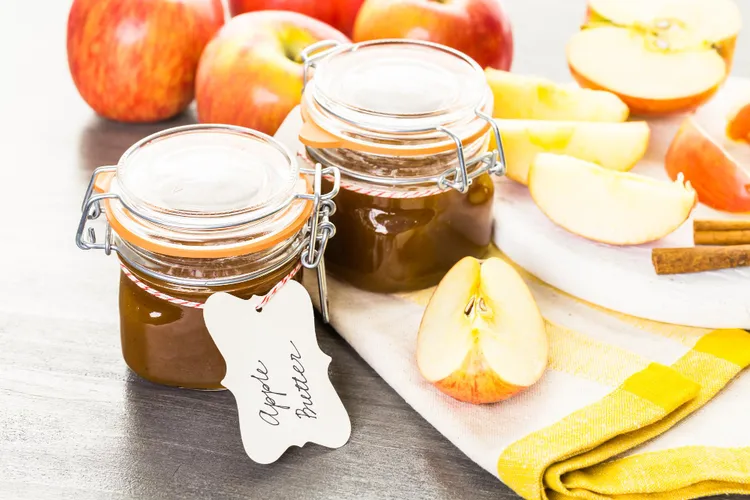
Cold-process shrubs produce macerated fruit solids as a byproduct that are excellent as a cooking ingredient. The sugar-and-vinegar-soaked fruit from a raspberry shrub is outstanding stirred into overnight oats, dolloped onto yogurt, or used as a jam-like spread on toast. The apple scraps from an apple-ginger shrub, once strained, can be composted or cooked down into a quick apple butter (add a splash of water and simmer until very soft, then blend). Nothing in a cold-process shrub batch is wasted if you plan ahead. This zero-waste angle also makes shrubs a good use for slightly overripe fruit that's too soft to eat raw but still full of flavor.
Scaling Up for Batches and Gifting
Shrubs scale linearly - doubling the recipe produces exactly twice as much with no additional complexity. For a large batch: 600g fruit, 600g sugar, 600ml vinegar produces about 900ml of finished shrub, enough for 30 drinks at the standard 30ml-per-drink ratio. Bottled in attractive glass bottles (250ml swing-top bottles from a kitchen shop), a well-labeled shrub makes an excellent gift for people who appreciate non-alcoholic flavors or home cocktail-making. Include a small tag with the dilution ratio and a suggested spirit pairing. The shelf life (3 to 6 months refrigerated) makes it a practical gift rather than something that needs to be used immediately.
Shrubs Through the Seasons
One of the best things about shrubs is that they make seasonal fruit last year-round. A shrub preserves flavor more faithfully than jam (which requires heat that changes the fresh fruit character) and more compactly than frozen fruit. A strawberry shrub made at peak season in June, stored in the fridge, is still excellent in October when fresh strawberries are gone. A summer peach shrub is a way to have August peaches in November cocktails. The cold-process method is particularly good for this - the lack of heat means the fruit flavor stays fresh rather than cooked. This is a practical argument for making a few large batches during peak fruit season: extra effort now, excellent drinks for months.
Shrub Ratios for Lower Sugar Diets
The standard 1:1:1 formula is sweeter than necessary if you're reducing sugar intake. The minimum sugar needed for a functioning shrub is about 70% of the fruit weight - below that, osmosis slows significantly and the cold-process extraction becomes less efficient. For a lower-sugar shrub: 200g fruit, 130g sugar, 200ml vinegar. This produces a shrub that's more tart than sweet, which actually works better in drinks where you want the acid character to be prominent. To compensate for the reduced sweetness in the finished drink, mix at a 1:5 ratio instead of 1:4, or add a small amount of sparkling water with a splash of honey or agave. Alternatively, use naturally sweet fruit (very ripe stone fruit, figs, dried fruit) where less added sugar is needed to achieve the right balance.
Shrubs vs. Kombucha: Different Products, Related Logic
Shrubs and kombucha occupy adjacent space in the world of acidic, fermented or vinegar-based drinks, but they're made entirely differently. Kombucha is fermented - live cultures of bacteria and yeast ferment sweet tea over days or weeks, producing a naturally carbonated, mildly acidic drink with variable flavor. A shrub is not fermented - it's a cold or hot extraction of fruit combined with pre-made vinegar, with no live fermentation happening. The key practical difference: a shrub is immediately stable, consistent, and controllable. Kombucha varies with each batch and requires monitoring. For home drink-making without specialized equipment or fermentation knowledge, shrubs are more accessible and produce more consistent results. For people interested in live fermentation, kombucha is the better project - but the acidic drink niche they both occupy is large enough for both in a well-stocked home kitchen.
Non-Fruit Shrubs: Herbs, Vegetables, and Spices
The shrub framework extends beyond fruit. Herb-forward shrubs: combine 100g fresh basil or tarragon with 200g sugar, let sit for 24 hours (cold process), add 200ml white wine vinegar. The result is an intensely green-herbed, acidic syrup that works as a cocktail modifier or, diluted heavily with sparkling water, as an interesting non-alcoholic drink. Vegetable shrubs: roasted beet and carrot shrubs (hot process) with red wine vinegar produce a savory-sweet acidic syrup that bridges food and drink - excellent as a component in a Bloody Mary variation or as a salad dressing base (1 tbsp shrub, 3 tbsp olive oil). Spice shrubs: ginger-turmeric with ACV and black pepper produces a warm, health-drink-adjacent shrub that's genuinely excellent. The formula is the same regardless of the flavor source - sugar plus an acidic extractant (vinegar), with the flavor compound of your choice as the raw material.
Latest