Keto Meal Prep for Beginners: What to Cook First
Starting keto is straightforward once you understand the basic structure: fat is your fuel, protein is your foundation, and carbs stay under 20-50g net per day. This guide covers the first things to cook, how to batch-prep a keto week efficiently, and what to eat when motivation dips.
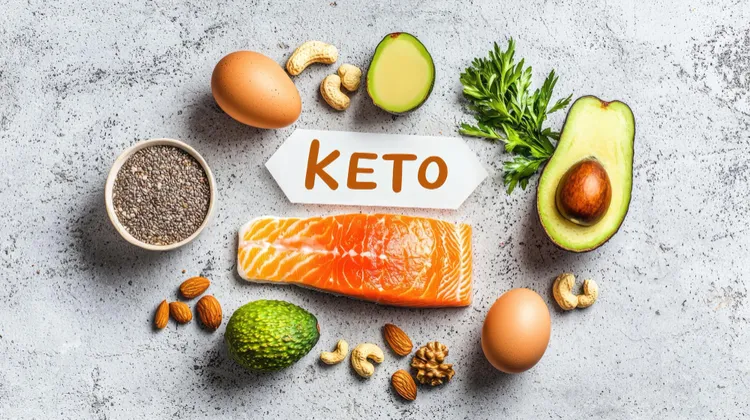
Keto has a surprisingly high dropout rate in the first two weeks - not because the diet doesn't work, but because people run out of ideas by Wednesday and default to plain chicken and salad. Building a small rotation of genuinely satisfying keto meals before you start is the most important prep you can do.
The Basic Keto Numbers
Standard keto targets: net carbs under 20-50g per day (net = total carbs minus fibre), protein at roughly 1-1.5g per kg of body weight, and fat filling the remaining calories. For a typical 2,000 kcal target: approximately 165g fat, 130g protein, 25g net carbs. Fat is 9 kcal per gram - it adds up fast, which is why keto portions feel generous even when calories are controlled.
Net carbs matter more than total carbs. Fibre doesn't raise blood sugar and isn't absorbed as a carbohydrate, so it's subtracted. A serving of broccoli with 6g total carbs and 2.5g fibre = 3.5g net carbs. That's the number to track.
The fastest way to stay on track in week one is to follow a structured prep session - this meal prep resource walks you through the process so nothing is left to chance on a hungry Tuesday evening.
What to Cook First
Batch-cook these on your first Sunday and you'll have the building blocks for a full week:
- A large protein - roasted chicken thighs, baked salmon, or keto meatballs. Refrigerate for up to 5 days or freeze portions. Chicken thighs are the best keto value: high fat, high protein, low cost. Try pan-roasted chicken thighs - approximately $2-3 per portion, 38g protein, 280 kcal.
- Roasted low-carb vegetables - courgette, aubergine, cauliflower, broccoli, green beans. Roast two large trays with olive oil and salt. Use across the week as sides or bases.
- Eggs in advance - hard-boil a dozen. 6g protein each, 70 kcal, zero net carbs. Grab-and-go snack or fast meal component.
- A fat-rich sauce - avocado-based dressing, tahini, or a batch of keto meatball sauce (creamy mustard-sour cream). Fat keeps you full; a good sauce makes plain proteins interesting for a week.
Five Keto Meals Worth Learning First
Scrambled Eggs with Bacon
3 eggs + 2 rashers bacon + butter: ~35g protein, 420 kcal, under 1g net carbs. Fast, filling, and genuinely satisfying. Add cottage cheese to an omelette for a higher-protein variation at 40g protein per serving.
Stuffed Keto Meatloaf
The stuffed keto meatloaf with spinach and goat cheese is one of the most batch-friendly keto recipes - slice and refrigerate for 4 days, or freeze individual portions. ~38g protein, 4g net carbs per slice.
Keto Egg Drop Soup
Keto egg drop soup - fast to make (under 15 minutes), low-carb, and a useful lighter meal when everything else feels heavy. ~18g protein, 2g net carbs per bowl.
Cauliflower Mac and Cheese
When you want something comforting and carb-like, keto cauliflower mac and cheese with creamy cheddar sauce is the realistic substitute. ~12g net carbs per serving - use this on higher-carb days within your allowance. ~380 kcal, 22g protein.
Baked Salmon
Lemon-butter salmon with asparagus - naturally keto, no modifications needed. ~38g protein, 450 kcal, 3g net carbs. One of the best keto weeknight meals.
The Keto Week Structure
A sustainable keto week looks like this:
- Sunday: 90-minute batch cook. Protein, vegetables, boiled eggs, sauce.
- Mon-Fri lunches: Assembled from batch-cooked components. No cooking required.
- Mon-Fri dinners: Two or three cooked from batch bases, two or three quick-cook (eggs, stir-fries, fast proteins).
- Snacks: Hard-boiled eggs, cheese, nuts (in moderation - easy to over-eat), tinned sardines, cucumber and cream cheese.
The Keto Flu and How to Avoid It
In the first week, as glycogen depletes and you lose water weight, electrolytes drop - sodium, potassium, and magnesium in particular. This causes the "keto flu": headaches, fatigue, leg cramps, brain fog. It's not the diet failing; it's electrolytes. Fix it by salting food generously, eating avocados and leafy greens (potassium), and taking a magnesium glycinate supplement if cramps are a problem.
Approximate Weekly Spend
Keto is mid-range on food costs - cheaper than eating out constantly, but eggs, meat, and fish cost more than rice and pasta. A week of batch-cooked keto meals typically costs $60-90 for one person in a mid-cost city. Eggs, fatty cuts of meat (chicken thighs over breasts, pork belly, beef mince), tinned fish, frozen vegetables, and block cheese keep costs lower than buying keto specialty products.
For the broader picture of cooking across diet types, including mixing keto with other diets in one household, see our complete special diets guide.
Latest