When Cooking Feels Like Too Much: Low-Effort Meals for Hard Days
On hard days, the bar for cooking needs to drop - not disappear. These are the meals to default to when energy is low, motivation is absent, and eating something real still matters.
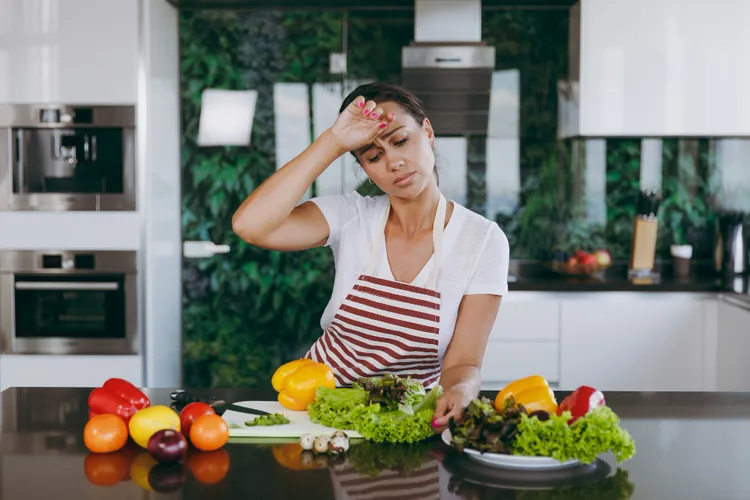
There is a version of wellness advice that assumes you are always operating at full capacity - motivated, organised, with clean ingredients in the fridge and time to spend. Most people are not living that version of the day most of the time, and on genuinely hard days, the gap between "what I should cook" and "what I can actually do" becomes enormous.
The answer is not takeout by default. It is a small repertoire of genuinely simple meals that require almost no decisions, minimal equipment, and as little physical and cognitive effort as possible - while still being real food.
Why the Barrier Matters
When depression or exhaustion is present, the effort cost of tasks is amplified - sometimes dramatically. A meal that takes fifteen minutes on a normal day can feel genuinely impossible on a hard one. This is not laziness; it is a physiological reality of how depression and burnout affect executive function and motivation.
Keeping the barrier to cooking low on hard days matters because eating badly - or not eating - reliably makes hard days worse. Blood sugar instability amplifies anxiety and low mood. Missing meals disrupts circadian rhythms. The physical act of eating something nourishing is, on hard days, one of the highest-leverage things you can do.
The Hard-Day Meal Criteria
A useful hard-day meal meets these criteria:
- Under ten minutes of active effort
- No more than one or two pans
- Made from ingredients you reliably have on hand
- No complicated decisions about technique or seasoning
- Produces something you actually want to eat
The Default Meals
Eggs, always eggs
Eggs are the hard-day food category. They are fast, require almost no skill, and are genuinely nourishing - protein-forward, nutrient-dense, and infinitely adaptable to whatever else you have available. Garlic scrambled eggs require one pan, four minutes, and almost no decisions. The egg and cottage cheese omelet is slightly more substantial and takes under ten minutes. Both are real meals.
Batch-cooked soup, reheated
This is the argument for batch cooking: on the days you cannot cook, you already have. A container of slow-cooker red lentil soup in the fridge heats in three minutes and delivers a proper, nourishing meal with zero active cooking required. This is one of the strongest practical arguments for building a batch-cooking habit - it invests effort on good days so hard days cost almost nothing. See the batch cooking guide for how to set this up.
Frozen vegetables plus a protein
Frozen vegetables are nutritionally equivalent to fresh and require no prep. Add them to a pan with olive oil and salt alongside whatever protein you have - an egg, a chicken thigh, some canned fish - and you have a meal. It will not win any presentation awards. It will be warm, real food with protein and fibre, and that is the actual goal.
Canned fish on toast
Sardines, tuna, or mackerel on whole-grain toast with a squeeze of lemon and some capers if you have them. Two minutes. High protein, excellent omega-3s, no cooking required. Fried sardines with olives takes the concept slightly further for days when five minutes feels achievable.
Setting Yourself Up for Hard Days
The most useful thing you can do for hard days happens on the good ones: stock a small set of reliable ingredients that make hard-day meals possible without shopping. Eggs, canned fish, frozen vegetables, a bag of lentils, canned tomatoes, and olive oil cover most of the options above. Keep them stocked and the decision is already made.
Hard days are also when simple side dishes earn their place. The lemon-infused cabbage salad requires only chopping and a dressing - ten minutes, no heat, and it rounds out a minimal main into something more complete.
Lowering the Bar Is Not Giving Up
There is sometimes guilt attached to cooking less ambitiously than usual. That guilt is not useful. Cooking something simple on a hard day is not a failure compared to cooking something complex on a good day - it is the appropriate response to changed circumstances. The goal of cooking as a mental health practice is sustainability, not performance.
For the full picture of how cooking supports mental wellbeing, see the guide to cooking as a mental health practice.
Latest