Legumes the Mediterranean Way: Chickpeas, Lentils and White Beans
Legumes are the most underrated pillar of the Mediterranean diet - eaten several times a week as the primary protein in a meal, not as a side dish. Three full recipes: a Moroccan-spiced chickpea stew, a green lentil and vegetable soup, and white beans braised with tomatoes and sage.
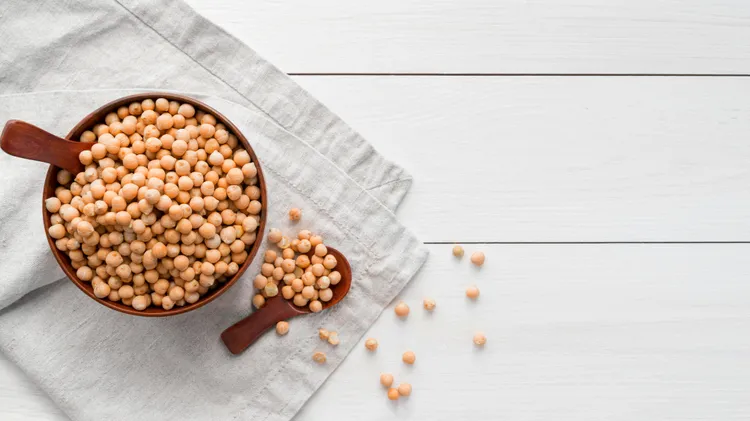
If there is one shift that makes Mediterranean eating immediately recognisable from a Western diet, it is the role of legumes. In a Mediterranean meal, chickpeas, lentils or white beans are not the accompaniment - they are the dish. They provide the protein, the body, the satiety. Understanding how to cook them well, so they taste genuinely good rather than functional, is one of the most useful skills in this whole eating pattern.
Why Legumes Matter
Legumes are high in protein (roughly 15-18g per cooked 200g serving), high in fibre, low in fat, cheap, shelf-stable and available year-round. They also contain resistant starch and a range of polyphenols that contribute to gut health and metabolic function. The large body of research associating the Mediterranean diet with health benefits applies directly to its high legume consumption - populations that eat legumes several times a week consistently show lower rates of cardiovascular disease and type 2 diabetes than those that eat them rarely.
Practically: rinse and drain tinned legumes and use them directly. For dried legumes, soak chickpeas and white beans overnight and cook for 45-90 minutes; lentils need no soaking and cook in 20-30 minutes. The texture of home-cooked dried legumes is slightly better than tinned, but tinned is good enough for every recipe here.
1. Moroccan-Spiced Chickpea Stew
A deeply flavoured, warming stew that works as a weeknight dinner, a batch-cook for the week, or reheated from frozen. The spice combination - cumin, coriander, cinnamon, paprika - is classic North African and gives the dish its character.
Ingredients (serves 4)
- 3 tbsp olive oil
- 1 large onion, diced
- 4 garlic cloves, sliced
- 1 tsp ground cumin
- 1 tsp ground coriander
- 1 tsp smoked paprika
- 0.5 tsp ground cinnamon
- 0.5 tsp ground turmeric
- Pinch of cayenne pepper
- 2 x 400g cans chickpeas, drained and rinsed
- 1 x 400g can chopped tomatoes
- 400ml vegetable stock
- 1 preserved lemon, rind only, finely chopped (or zest of 1 lemon)
- Large handful of baby spinach
- Salt and pepper
- Greek yoghurt, fresh coriander and flatbread to serve
Instructions
- Heat the olive oil in a large, heavy pan over medium heat. Add the onion and cook for 10 minutes until soft and golden.
- Add the garlic and all the spices. Cook for 2 minutes, stirring constantly, until the spices are fragrant and beginning to stick to the pan.
- Add the chickpeas, tomatoes, stock and preserved lemon. Stir well, bring to a simmer and cook uncovered for 20 minutes until the stew has thickened and the chickpeas have absorbed the flavours.
- Stir in the spinach and cook for 1 minute until wilted. Taste and adjust seasoning.
- Serve with a spoonful of Greek yoghurt, fresh coriander and flatbread.
Nutrition per serving: ~340 kcal | 16g protein | 10g fat | 45g carbs
2. Green Lentil and Vegetable Soup
A filling, practical, deeply savoury soup that keeps for five days in the fridge and freezes well. Green or Puy lentils hold their shape better than red lentils and give the soup more texture.
Ingredients (serves 6)
- 3 tbsp olive oil
- 2 onions, diced
- 3 carrots, diced
- 3 celery stalks, diced
- 4 garlic cloves, sliced
- 2 tsp ground cumin
- 1 tsp dried thyme
- 2 bay leaves
- 250g green or Puy lentils, rinsed
- 1 x 400g can chopped tomatoes
- 1.5 litres vegetable or chicken stock
- Juice of 1 lemon
- Salt and pepper
- Extra virgin olive oil to finish
Instructions
- Heat the olive oil in a large pot over medium heat. Add the onion, carrot and celery and cook for 10 minutes until softened.
- Add the garlic, cumin, thyme and bay leaves. Cook for 2 minutes.
- Add the lentils, tomatoes and stock. Bring to a boil, then reduce heat and simmer for 25-30 minutes until the lentils are completely tender.
- Remove the bay leaves. Use a hand blender to partially blend the soup - blitz about one-third of it to create a thick, creamy base while retaining plenty of texture.
- Add lemon juice, taste and adjust seasoning. Serve with a generous drizzle of extra virgin olive oil over each bowl and crusty bread alongside.
Nutrition per serving: ~280 kcal | 15g protein | 7g fat | 38g carbs
3. White Beans Braised with Tomatoes and Sage
A Tuscan classic - fagioli all'uccelletto - that demonstrates how few ingredients you need to make a deeply satisfying legume dish. The sage-infused olive oil is the key element; do not skip it or substitute dried sage.
Ingredients (serves 4)
- 5 tbsp extra virgin olive oil
- 6 fresh sage leaves
- 3 garlic cloves, thinly sliced
- 2 x 400g cans cannellini beans, drained and rinsed
- 1 x 400g can whole plum tomatoes, crushed by hand
- 100ml water or light stock
- Salt and black pepper
- Extra virgin olive oil and crusty bread to serve
Instructions
- Heat the olive oil in a wide, heavy pan over medium-low heat. Add the sage leaves and let them sizzle in the oil for 2 minutes until slightly crisp and fragrant. Add the garlic and cook for a further 1 minute - do not let it brown.
- Add the beans and stir to coat them in the sage oil. Cook for 3 minutes.
- Add the crushed tomatoes and water. Season generously. Stir and bring to a simmer.
- Cook uncovered over low heat for 20-25 minutes, stirring occasionally, until the tomato sauce has thickened and the beans have absorbed its flavour. If it looks dry, add a splash more water.
- Taste and adjust seasoning. Serve in deep bowls with a final drizzle of extra virgin olive oil and plenty of bread for mopping.
Nutrition per serving: ~360 kcal | 17g protein | 14g fat | 42g carbs
Getting the Most from Legumes
The most common mistake with legumes is under-seasoning. They absorb salt slowly and need generous seasoning at multiple stages - at the start of cooking, halfway through, and again at the end after tasting. A drizzle of good olive oil at the end is not optional - it adds richness and rounds out the flavour in a way that nothing else does.
For more on building meals around legumes as the centrepiece rather than the side, the Mediterranean diet beginner's guide covers the nutritional and cultural context. The Mediterranean pantry guide covers how to keep the right legumes stocked at all times.
Latest