Mediterranean Snacks and Mezze: Small Plates That Add Up
Mezze is the Mediterranean tradition of small shared plates - a way of eating that turns snacking into a proper meal and appetisers into a feast. Hummus from scratch, marinated olives, roasted peppers with anchovies, and muhammara: four recipes and a guide to building a spread.
The mezze table is one of the most enjoyable aspects of Mediterranean eating and one of the easiest entry points for beginners. You do not need to cook a main course. You need a selection of small things - some dips, some vegetables, some bread, some cured fish, some cheese - arranged together and eaten slowly. The cooking involved is minimal; the pleasure is considerable.
Building a Mezze Spread
A complete mezze spread for four people typically includes: one or two dips, something preserved or cured (olives, anchovies, pickles), raw or roasted vegetables, cheese and flatbread or good crackers. None of the individual elements needs to be elaborate. The effect comes from variety and abundance rather than complexity.
The four recipes below form the backbone of a mezze spread. Make two or three of them and fill the gaps with shop-bought items - good olives, a block of feta drizzled with olive oil and herbs, sliced raw vegetables - and you have a complete and impressive table with perhaps an hour of cooking.
1. Hummus from Scratch
Homemade hummus is smoother, fresher and substantially better than the vast majority of supermarket versions. The critical variables are good tahini, enough lemon, enough garlic, and patience with the blending.
Ingredients (serves 6-8 as part of a spread)
- 2 x 400g cans chickpeas, drained and rinsed (reserve the liquid)
- 4 tbsp good-quality runny tahini
- 3 tbsp lemon juice (about 1.5 lemons), plus more to taste
- 2 garlic cloves, crushed
- 4 tbsp ice-cold water
- 4 tbsp extra virgin olive oil, plus more to serve
- 1 tsp salt
- Smoked paprika and flat-leaf parsley to finish
Instructions
- For the smoothest hummus, remove the skins from the chickpeas: place them in a bowl of water and rub them together - the skins float off. This takes 5 minutes and makes a meaningful difference to the texture. Skip if time is short.
- Blend the tahini, lemon juice, garlic and salt in a food processor for 1 minute until the tahini lightens and becomes creamy.
- Add the chickpeas and blend for 2-3 minutes, scraping down the sides regularly. The mixture will look stiff.
- With the processor running, add the ice-cold water a tablespoon at a time, then the olive oil in a thin stream. Continue blending for at least 2 minutes - the longer you blend, the smoother the result. Taste and adjust lemon and salt.
- Spread on a plate, make a well in the centre, drizzle with olive oil, dust with smoked paprika and scatter with parsley. Serve with warm flatbread.
Nutrition per serving (of 8): ~200 kcal | 8g protein | 12g fat | 16g carbs
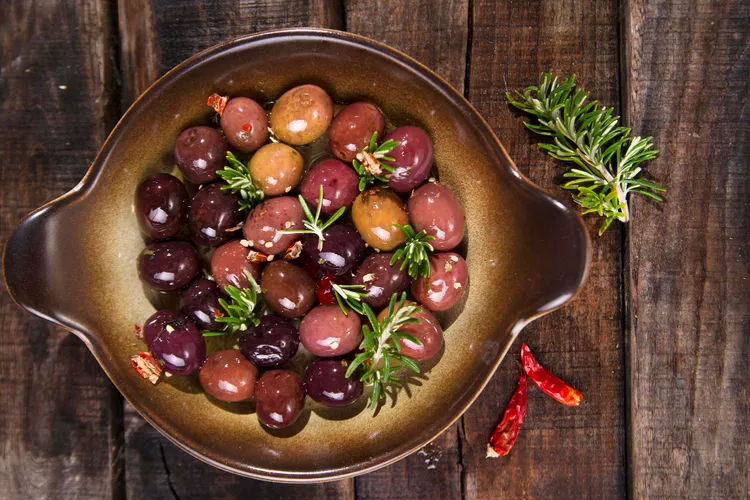
2. Marinated Olives with Herbs and Orange
Buy good olives and improve them further with a quick marinade. Mixed olives - a combination of green and black, pitted and unpitted - work best. The orange zest and fresh herbs transform them from a snack into something that tastes considered.
Ingredients (serves 6-8)
- 400g mixed olives (drained weight)
- 4 tbsp extra virgin olive oil
- Zest of 1 orange
- 2 garlic cloves, thinly sliced
- 1 tsp dried chilli flakes
- 2 sprigs of fresh rosemary
- 1 tsp dried oregano
Instructions
- Combine all ingredients in a small saucepan over low heat. Warm gently for 5 minutes until the garlic is soft and fragrant and the oil has taken on the herb and citrus flavours. Do not let it fry - just warm.
- Transfer to a bowl and leave to cool to room temperature. The olives are at their best served warm or at room temperature - cold olives taste of very little.
- Keeps in a jar in the fridge for up to two weeks. Bring back to room temperature before serving.
Nutrition per serving (of 8): ~110 kcal | 0.5g protein | 11g fat | 3g carbs
3. Roasted Peppers with Anchovies and Capers
A Sicilian-influenced plate that requires almost no cooking skill and tastes remarkable. Roasted sweet peppers, good anchovies, capers and olive oil - the combination of sweet, salty, briny and rich is one of the most satisfying flavour contrasts in Mediterranean cooking.
Ingredients (serves 6 as part of a spread)
- 4 large red peppers (or a mix of red and yellow)
- 8 anchovy fillets in olive oil
- 2 tbsp capers, rinsed
- 3 tbsp extra virgin olive oil
- 1 tbsp red wine vinegar
- 1 garlic clove, very thinly sliced
- Fresh flat-leaf parsley, roughly torn
- Black pepper
Instructions
- Roast the peppers directly over a gas flame or under a very hot grill, turning regularly with tongs, until completely blackened and blistered all over - about 10-15 minutes. Transfer to a bowl, cover tightly with cling film and leave for 15 minutes.
- Peel the peppers - the charred skin slips off easily. Remove the stems and seeds. Tear the flesh into wide strips and arrange on a serving plate. Do not rinse the peppers - the juices are flavour.
- Lay the anchovy fillets over the peppers. Scatter with capers and garlic slices.
- Mix the olive oil and red wine vinegar and pour over. Finish with parsley and black pepper. Leave for 15 minutes before serving for the flavours to meld.
Nutrition per serving (of 6): ~110 kcal | 4g protein | 8g fat | 7g carbs
4. Muhammara (Syrian Roasted Pepper and Walnut Dip)
Muhammara is a Syrian dip of roasted red peppers, walnuts, pomegranate molasses and Aleppo pepper. It is rich, slightly smoky, mildly sweet and with a gentle heat. One of the most interesting dips in the Middle Eastern repertoire and different enough from hummus to justify making both.
Ingredients (serves 6-8)
- 3 large red peppers, roasted and peeled (as above), or 200g jarred roasted peppers
- 100g walnuts, lightly toasted
- 2 slices stale bread, crusts removed, torn
- 2 tbsp pomegranate molasses
- 1 tbsp lemon juice
- 1 tsp Aleppo pepper (or 0.5 tsp chilli flakes plus 0.5 tsp sweet paprika)
- 1 tsp ground cumin
- 3 tbsp extra virgin olive oil
- Salt to taste
- Walnuts, olive oil and parsley to finish
Instructions
- Soak the torn bread in a little water for 1 minute, then squeeze out the moisture thoroughly.
- Combine the roasted peppers, toasted walnuts, bread, pomegranate molasses, lemon juice, Aleppo pepper and cumin in a food processor. Blend until roughly combined — muhammara has texture, it is not a smooth puree.
- With the processor running, add the olive oil in a thin stream. Taste and adjust: more pomegranate molasses for sweetness, more lemon for brightness, more chilli for heat, more salt if it tastes flat.
- Spread on a plate, finish with a drizzle of olive oil, a few whole walnuts and torn parsley.
Nutrition per serving (of 8): ~170 kcal | 4g protein | 13g fat | 11g carbs
If you are unsure whether 200 kcal snacks fit your daily budget, Consillar's TDEE and macro calculators will give you a personalised calorie target to anchor everything to.
The Mezze as a Way of Eating
The mezze tradition is not just about the food - it is about the pace. A mezze meal is eaten slowly, with conversation, over an extended period. The small portions and the variety of flavours naturally slow eating down in a way that a single large dish does not. This matters for satiety and digestion in ways that go beyond the nutritional content of the individual dishes.
For the full context of how snacking and small plates fit into Mediterranean eating habits, see the Mediterranean diet beginner's guide. For pantry items that make assembling a mezze spread possible at short notice, the Mediterranean pantry guide covers capers, anchovies, olives and preserved peppers.
Latest