Pickled Fruit 101: Mangoes, Peaches, and Plums That Hit Different
Quick-pickled and fermented fruit is one of the fastest ways to add a swangy element to any meal - sweet, sour, slightly funky, and ready in under 30 minutes for the quick versions. This guide covers pickled mango, pickled peach, and fermented green plum, with macros and storage times.
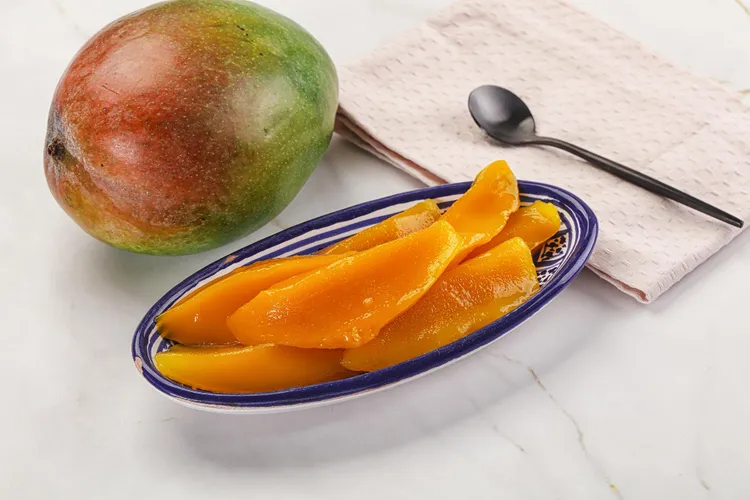
Pickled fruit sits at the exact centre of the swangy Venn diagram. The natural sweetness of the fruit, the acidity from the pickling liquid, and the faint fermented funk from even a short brine create all three swangy elements simultaneously. It works as a condiment, a taco topping, a salad component, a grain bowl finisher, or eaten directly from the jar as a snack. The quick versions take 20-30 minutes of active work and are ready to eat after a few hours in the fridge.
Quick-Pickled Mango
The most versatile pickled fruit for swangy cooking. Use slightly under-ripe mango for maximum tartness; ripe mango for a sweeter, more rounded result.
Ingredients (makes ~400g, serves 8 as a condiment)
- 2 medium mangoes (~400g flesh), cut into 1cm cubes or thin slices
- 120ml rice vinegar or apple cider vinegar
- 60ml water
- 2 tbsp sugar (palm sugar for more complexity, white sugar for cleaner flavour)
- 1 tsp salt
- 1 tsp chilli flakes (optional but recommended)
- Optional: 1 tsp fresh ginger, grated; 1 garlic clove, sliced
Method
- Combine vinegar, water, sugar, and salt in a small saucepan. Heat over medium heat until sugar dissolves (~3 minutes). Do not boil.
- Add chilli, ginger, and garlic if using. Remove from heat and cool for 10 minutes.
- Pack mango into a sterilised jar. Pour the warm brine over, ensuring mango is submerged.
- Cool to room temperature, then refrigerate. Ready to eat after 2-3 hours; better after 24 hours.
Storage: Refrigerated, 2-3 weeks.
Macros per 2 tbsp serving (~40g): ~25 kcal, 0.2g protein, 0g fat, 6g carbs
Uses: Fish tacos, grilled chicken garnish, over rice bowls, alongside curries, mixed into a salad. Excellent over the lemon-butter baked salmon in place of the lemon.
Quick-Pickled Peach
Sweeter and more aromatic than pickled mango. Works particularly well with pork, duck, and strong cheeses. Use slightly firm peaches - overripe peaches turn mushy in the brine.
Ingredients (makes ~350g, serves 6-8)
- 3 medium peaches (~350g), stones removed, cut into wedges
- 100ml apple cider vinegar
- 50ml water
- 2 tbsp honey or brown sugar
- 1/2 tsp salt
- 1/4 tsp black pepper
- Optional: 1 sprig fresh thyme or rosemary; pinch of chilli flakes
Method
Same method as pickled mango. Ready after 4 hours; optimal at 24-48 hours. The peaches soften slightly - this is expected.
Macros per 2 tbsp serving: ~20 kcal, 0g protein, 0g fat, 5g carbs
Uses: Alongside grilled pork, on a cheese board, in salads with bitter leaves (radicchio, endive), as a glaze by blending a few spoonfuls with some of the brine and reducing.
Fermented Green Plum (Longer, More Complex)
A slower ferment - 5-7 days - that produces a more complex, genuinely funky pickled fruit. Green (unripe) plums have more natural tannins and less sugar than ripe fruit, which makes them ideal for fermentation.
Ingredients (makes ~500g)
- 500g green plums or unripe Victoria plums, halved and stoned
- 10g non-iodised salt (2% of weight)
- 1 tbsp sugar
- Optional: 1 star anise, 2 cloves, 1 cinnamon stick
Method
- Toss plums with salt and sugar. Pack tightly into a sterilised jar.
- The salt will draw out juice within a few hours. Press the plums down so they are submerged in their own brine.
- Cover loosely and leave at room temperature for 5-7 days, pressing down daily. The brine will become slightly cloudy and the plums will soften.
- Refrigerate once the desired sourness is reached. The fermentation slows but does not stop in the fridge.
Macros per 2 tbsp serving: ~15 kcal, 0g protein, 0g fat, 4g carbs
Uses: As a condiment for grilled fatty meats, blended into sauces, alongside rich braised dishes, or eaten as a snack - the traditional use across many Asian cultures.
The Store-Bought Shortcut
If you do not want to pickle your own:
- Pickled mango: Available in Indian grocers as "aam ka achar" (mango pickle/achaar). Very different flavour profile (oil-based, spiced) but provides the swangy-funky note.
- Umeboshi (Japanese pickled plum): Intensely sour, salty, funky - a tablespoon chopped into rice or used as a condiment covers the fermented-fruit swangy base completely. Available in Japanese supermarkets and online, ~£4-6 per jar.
- Commercial pickled peaches: Available in some delis. Usually sweeter than homemade - reduce the sugar in any recipe they accompany accordingly.
For the full picture of swangy ingredients and how pickled fruit fits alongside tamarind, chamoy, and gochujang, see the Complete Guide to the Swangy Flavour Movement.
Latest