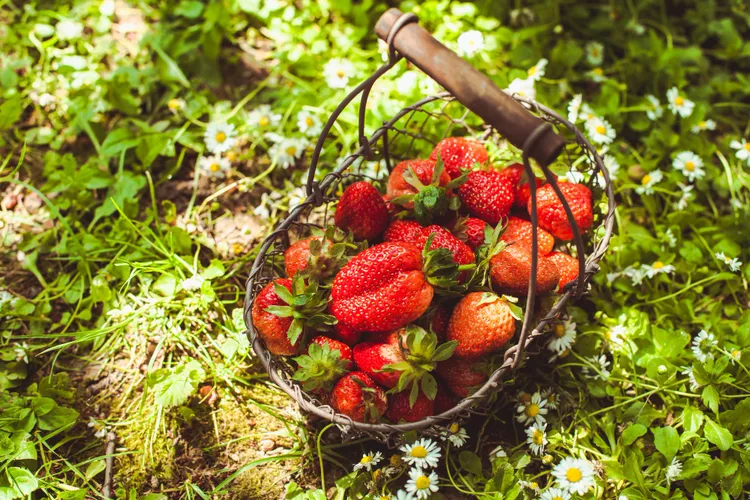
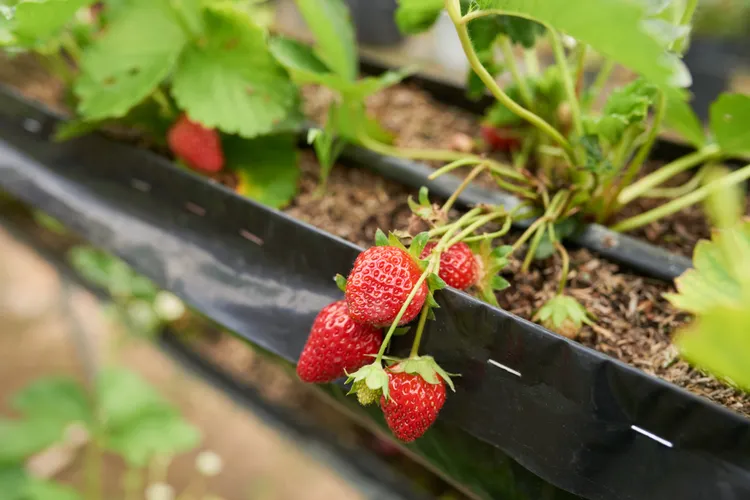
Small-Batch Jam: How to Make One Jar at a Time
Make jam in a single jar without any canning equipment. Small-batch jam is fresher, more flexible, and a good starting point for beginners.
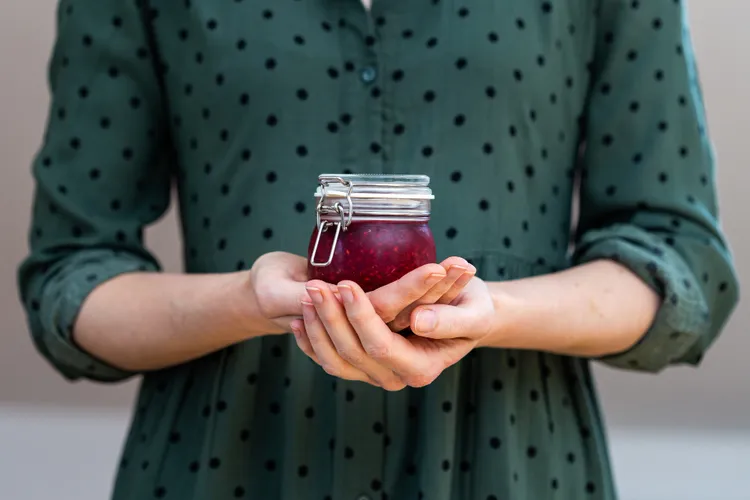
Most jam recipes are written for a full batch - 1kg fruit, 5-plus jars, a full afternoon. Small-batch jam throws out that assumption. From 250g of fruit you can fill one 340g jar in under 30 minutes. No water bath, no preserving pan, no commitment. It is also the best way to test a new fruit or flavour before scaling up to a larger session.
Recipe: Small-Batch Berry Jam (One Jar)
Makes: 1 x 340g jar | Prep: 5 minutes | Cook: 15 to 20 minutes
Ingredients
- 250g fresh or frozen berries (strawberries, raspberries, blackberries, or a mix)
- 200g white granulated sugar
- 1.5 tablespoons fresh lemon juice
Instructions
- Put a saucer in the freezer.
- Wash one jar and lid in hot soapy water. Place upright in a 120-degree-Celsius oven for 10 minutes.
- Combine fruit, sugar, and lemon juice in a medium saucepan (2 to 3 litres is fine for this quantity). Mash fruit slightly with a fork or potato masher if you want a smoother jam.
- Stir over medium-low heat until sugar dissolves completely, about 5 to 8 minutes.
- Increase to a full rolling boil. Boil for 5 minutes, then do the wrinkle test. Small batches set faster than large ones - do not walk away.
- Most small batches reach set in 6 to 12 minutes of rolling boil. Test every 2 minutes from the 5-minute mark.
- Pour into the warm jar, seal, and leave to cool. Store in the fridge.
No Canning Needed: Here is Why
Water bath canning is designed to create a vacuum seal for room-temperature shelf storage. Small-batch jam skips this step because it goes straight into the fridge and will be eaten within 3 to 4 weeks. The sugar concentration and acidity still inhibit most microbial growth in the short term, but without a proper vacuum seal you are making a refrigerator product, not a pantry product. This is perfectly fine - better, even, if freshness matters to you.
If you want shelf-stable jars from a small batch, the water bath canning guide covers processing times by jar size.
Scaling the Ratio
The ratio is 250g fruit : 200g sugar : 1.5 tablespoons lemon juice. Scale it by this factor for any quantity. Two jars means 500g fruit, 400g sugar, 3 tablespoons lemon juice. The cooking time will increase proportionally - a 500g batch takes roughly 10 to 18 minutes of rolling boil to reach set.
Best Fruits for Small-Batch Jam
Raspberries set fast and reliably - a good first choice. Blackberries are similar. Strawberries need slightly more lemon juice (use 2 tablespoons per 250g) and take longer to set. Blueberries work well with a pinch of ground cardamom. Rhubarb needs the full 200g sugar per 250g and benefits from 10 minutes of macerating with the sugar before cooking.
The Case for Small-Batch Jam
Large-batch preserving made sense when fruit came in seasonal gluts and households needed to preserve summer produce through winter. Most modern home cooks do not need 12 jars of strawberry jam. They want two or three jars of something genuinely fresh that gets eaten before it fades. Small-batch jam is also lower risk - if something goes wrong with a 250g batch, you have lost very little. It is a better learning format than committing to a full kilogram of fruit on your first attempt.
Equipment for Small Batches
A standard 2 to 3 litre saucepan is the right vessel for a single-jar batch. Preserving pans are designed for large quantities and their wide base means small batches spread too thin and cook off too quickly. A medium saucepan with a heavy base is ideal. Avoid non-stick pans - the high temperature of jam can degrade non-stick coatings over time and the surface makes it harder to judge caramelisation.
Seasonal Opportunities for Small Batches
Small-batch jam is particularly suited to foraged fruit, garden surplus, or fruit that arrives in small quantities. A punnet of homegrown raspberries, a bowl of damsons from one tree, a bag of windfall plums - none of these justify a full preserving session but all of them make excellent single-jar jam. The technique is exactly the same regardless of fruit; only the pectin and acid adjustments change.
Flavour Combinations Worth Trying at Small Scale
The small-batch format is ideal for testing unusual combinations before committing to a full batch. Try 150g strawberries with 100g rhubarb and a pinch of black pepper. Try blueberries with a split vanilla pod and lemon zest. Try blackberries with a teaspoon of balsamic vinegar added at the end. If any of these work - and they will - scale up with confidence.
Small-Batch Jam as Sauce
A batch that does not quite set is even less of a problem at small scale - it becomes an excellent sauce. Runny raspberry jam over vanilla ice cream, loosened with a teaspoon of water, is a better dessert than a stiff jam spread on toast. Keep the mindset flexible. A jar labelled sauce is not a failure - it is a different product with just as many uses.
Storing Small-Batch Jam
Refrigerate immediately. Use within 3 to 4 weeks. If the jar sealed properly (lid dimples inward as it cools), it can sit on the counter for a day or two, but refrigerating it is still better practice without a full water bath process. For a full overview of jam-making technique including pectin, setting point, and jar sterilisation, see the complete homemade jam guide.
Nutrition (per tablespoon, approx. 20g)
- Calories: approximately 47 kcal
- Carbs: 12g (of which sugars 12g)
- Protein: 0g
- Fat: 0g
Tracking What Works
Keep a notebook or phone note for each small batch you make. Record: the fruit and weight, the sugar ratio, any additions, how long it boiled before it set, and whether you would change anything next time. After five or six batches you will have a personal reference guide far more useful than any recipe book, because it reflects your hob, your pan, and your local fruit. The wrinkle test result, the colour at set, the flavour before and after sugar - these are things you learn by doing and noting, not by reading.
Small Batch as a Teaching Tool
If you are introducing someone to jam-making, start with a small batch. The entire process from cold pan to sealed jar takes under 30 minutes. The investment is low enough that failure is not demoralising and success is immediately satisfying. Watching the fruit break down, dissolve into syrup, and then suddenly thicken on a cold saucer is the kind of kitchen moment that turns casual cooks into people who keep a jar of gooseberry jam on the shelf in January. For the full context on pectin, setting point, and larger-batch technique, see the complete homemade jam guide.
Common Questions About Small-Batch Jam
The most common question is whether small-batch jam lasts as long as a full batch. The answer is: it depends on the sugar ratio. A small-batch jam made at the same 1:1 fruit-to-sugar ratio as a full batch, sealed into a properly sterilised jar, has the same shelf life potential - 12 months sealed, 6 weeks once opened. In practice, small-batch jams often skip water bath processing and go straight to the fridge, which shortens shelf life to 3 to 4 weeks. This is usually fine because the quantities are small enough to use up quickly. The second most common question is whether small-batch jam sets as reliably. Yes - the chemistry is identical. Small batches actually set faster because the surface-to-volume ratio is higher and water evaporates more quickly. Watch them more closely, test earlier, and you will find them easier to get right than large batches. For all the details on setting point testing, see the jam setting point guide.
Seasonal Small-Batch Calendar
Spring (March to May): rhubarb is the main jam fruit. High acid, needs full sugar ratio. Pairs with ginger or vanilla. Early gooseberries from late May set very firmly - a reliable first batch for beginners learning the wrinkle test.
Summer (June to August): strawberries, raspberries, and blackcurrants hit peak quality. These are the classic British jam fruits and all work well at small scale. Loganberries and tayberries if you can find them. Apricots and early plums from July. Cherries work but require stoning - a small batch is more manageable than a full kilogram of cherries to stone.
Autumn (September to October): plums, damsons, greengages, late blackberries, and quince. This is the best season for foraging - hedgerows in September and October provide blackberries and sloe berries for free. Quince makes an extraordinary jam (or membrillo - a firm quince paste) and is rarely available in supermarkets but often grows in suburban gardens. Ask neighbours.
Winter (November to February): Seville oranges arrive in January for marmalade. This is the only fresh option for winter jam-making unless you are using frozen fruit. The frozen fruit jam guide covers how to work with what is in the freezer when fresh options are limited.
Using Small-Batch Jam Quickly
One advantage of making jam at small scale is that each jar gets used up before it has time to deteriorate after opening. A 340g jar of raspberry jam opened by one person is finished in 10 to 14 days. This is well within the safe consumption window regardless of storage method. The practical implication is that small-batch jam made for personal use rarely needs water bath processing - the jar is gone before the preservation method becomes relevant. Make it, refrigerate it, eat it within the month. For larger households or gifting, scale up and consider water bath canning for peace of mind. For the full method covering all preservation options, the complete homemade jam guide covers every approach from small-batch refrigerator jams to shelf-stable processed jars.
Quick Reference Summary
This article is one of 12 guides in the CookThisMuch homemade jam series. The complete article, The Home Cook's Complete Guide to Making Jam from Scratch, covers the full framework: pectin types, sugar ratios, setting point science, sterilisation methods, water bath canning, and storage shelf life by type. Each cluster guide in the series, including this one, covers a specific fruit, technique, or problem in depth with a tested recipe. Whether you are making your first single jar or working through a summer glut of stone fruit, the technique is the same: soft fruit first, sugar second, rolling boil to setting point, hot jar, sealed lid. The details within that sequence are what this series covers, article by article, so you have a reliable reference for every variation you will encounter in a season of jam-making at home.
All recipes in this series use standard kitchen equipment. None require specialist preserving pans, pressure canners, or commercial-grade ingredients. The most useful single investment for anyone making jam regularly is a digital sugar thermometer with a clip. Beyond that, a heavy-based pan, clean glass jars, and two cold saucers in the freezer are all you need to produce consistently good results.
Small-Batch Jam: The Summary
One jar. 250g fruit. 200g sugar. 1.5 tablespoons lemon juice. 15 to 20 minutes of cooking. No canning equipment. Refrigerate and eat within 3 to 4 weeks. The small-batch method is the fastest way into jam-making and the lowest-risk way to learn the technique. Once you can make one jar reliably, the full batch follows naturally. The ratio, the setting point test, and the sealing method are all identical whether you are making one jar or ten. Scale is the only variable. Start small, get it right, then scale up with confidence. For technique context and the full framework, see the complete homemade jam guide.
Adjusting Sweetness in Small Batches
Small batches make it easy to adjust sweetness between jars. If your first jar from a test batch comes out sweeter than you like, reduce to 180g sugar per 250g fruit on the next one. The jam may be slightly looser - compensate by boiling for an extra 2 to 3 minutes. Going the other way, very tart fruit like rhubarb or gooseberry needs the full 200g per 250g. Tasting the cooked fruit before the sugar goes in is the best way to judge. Unsweetened cooked strawberry should taste like a concentrated fruit, pleasantly tart. Unsweetened cooked rhubarb is harsh and sharp - it needs the full sugar measure to become palatable. One of the advantages of small batches is that you can afford to make this judgment call jar by jar rather than committing a full kilogram of fruit to a ratio that turns out to be wrong for that specific batch.
Latest