The Swangy Drink: Agua Fresca, Shrubs, and Fermented Sodas
Swangy flavour translates perfectly to non-alcoholic drinks - the tang-sweet-funk combination makes for refreshing, complex beverages that are far more interesting than juice. This guide covers three styles: tamarind agua fresca, fruit shrubs (drinking vinegar), and tepache, with macros per glass.
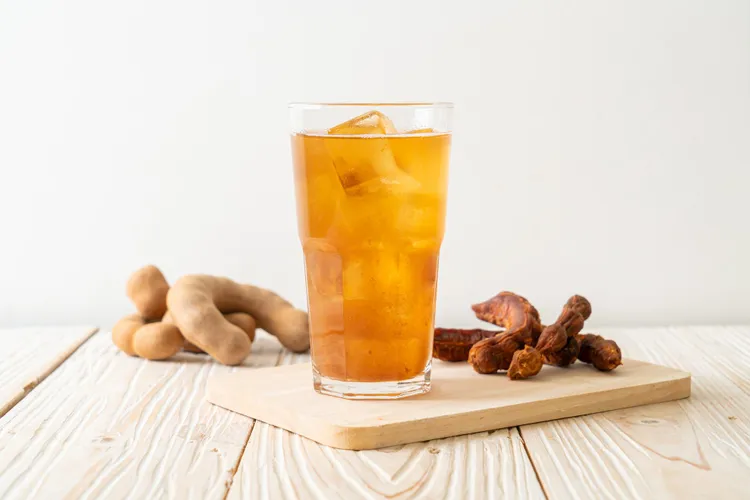
The swangy drink is not a new concept - tamarind agua fresca has been sold from street carts in Mexico for centuries, and drinking vinegars (shrubs) were a preservation method before refrigeration existed. What is new is approaching these drinks as deliberate flavour compositions rather than historical curiosities. A well-made shrub or agua fresca is more interesting than almost any commercial soft drink - complex, refreshing, and with enough tang and sweetness to feel satisfying without being cloying.
1. Tamarind Agua Fresca
The most purely swangy drink: sweet, sour, slightly earthy, with enough complexity to hold your attention through the whole glass. A staple of Mexican street food culture, sold alongside jamaica (hibiscus) and horchata at every aguas frescas cart.
Ingredients (serves 4, makes ~1 litre)
- 100g tamarind paste (or 80g tamarind block, soaked and strained)
- 800ml cold water
- 3-4 tbsp sugar or agave syrup (adjust to taste)
- Pinch of salt
- Optional: pinch of chilli powder for a swangy-spicy version; slice of ginger
Method
- Combine tamarind paste and 200ml warm water. Whisk until fully dissolved.
- Add remaining cold water and sugar. Stir until sugar dissolves.
- Taste and adjust: more tamarind for tang, more sugar for sweetness, more water if too concentrated.
- Strain if using block tamarind to remove any fibres. Serve over ice.
Macros per 250ml glass: ~70 kcal, 0g fat, 17g carbs (mostly from the sugar and tamarind's natural sugars)
DIY swangy upgrade: Add 1/2 tsp chamoy per glass and a pinch of Tajin on the rim for a mangonada-style version. The chamoy adds the fermented fruit funk that elevates the drink from sweet-sour to genuinely swangy.
2. Fruit Shrub (Drinking Vinegar)
A shrub is a concentrated fruit-and-vinegar syrup mixed with still or sparkling water. The vinegar provides the tang; the fruit provides sweetness and flavour; the combination produces a swangy drink that is more complex than juice and feels grown-up without being alcoholic. Two-week cold-process shrubs develop more complex flavour than quick-cooked versions.
Base Shrub Recipe (makes ~400ml concentrate, serves ~16 as a drink)
- 200g fresh or frozen fruit (mango, peach, raspberry, blackberry, or tamarind)
- 200g sugar
- 200ml apple cider vinegar (with the mother for more complexity)
Cold-Process Method (2 weeks, more complex)
- Combine fruit and sugar in a jar. Muddle roughly. Seal and refrigerate for 5-7 days, shaking daily. The sugar draws juice out of the fruit and partially dissolves.
- Strain through a fine sieve, pressing fruit firmly. Discard solids.
- Add vinegar to the fruit-sugar syrup. Stir well. Return to fridge for another 5-7 days. The vinegar and fruit syrup will mellow and integrate.
- Bottle and store refrigerated. Keeps for 3+ months.
To serve: 2-3 tbsp shrub concentrate + 250ml sparkling water over ice. Adjust ratio to preference.
Macros per 250ml drink (2 tbsp concentrate + water): ~60-80 kcal, 0g fat, 15-20g carbs
Flavour combinations that work particularly well:
- Mango + apple cider vinegar + pinch of chilli (the most swangy combination)
- Peach + white wine vinegar + fresh ginger
- Tamarind paste + sugar + apple cider vinegar (simplest, no fruit prep needed)
- Raspberry + balsamic vinegar (more funky, less tangy)
3. Tepache
Tepache is a lightly fermented Mexican drink made from pineapple rind, brown sugar, and spices. It has a natural slight effervescence from the fermentation, a swangy combination of pineapple acid and fermented funk, and a complexity that develops over 2-3 days. It is also nearly free to make - the main ingredient is pineapple skin that would otherwise be discarded.
Ingredients (makes ~1.5 litres, serves 6)
- Rind and core of 1 pineapple (flesh eaten separately)
- 150g dark brown sugar or piloncillo
- 1.5 litres water
- 1 cinnamon stick
- 3 cloves
- Optional: 1 dried chilli for a swangy-spicy version
Method
- Rinse pineapple rind well. Dissolve sugar in water.
- Combine rind, sugar-water, and spices in a large jar or pitcher. Cover with a cloth.
- Leave at room temperature for 2-3 days. Taste after 48 hours - it should be lightly sour and slightly fizzy. Longer fermentation = more sour and more funky.
- Strain and refrigerate. Drink within 1 week.
Macros per 250ml glass: ~70-90 kcal, 0g fat, 18-22g carbs
Cost: The pineapple rind is a by-product. Sugar and spices: ~£0.30 per batch. Tepache is essentially free once you are eating pineapple regularly.
Store-Bought Shortcuts
- Tamarind agua fresca: Jarritos Tamarindo is the most widely available commercial version (~£1-1.50 per bottle). Sweeter and less complex than homemade but a good reference point.
- Commercial shrubs: Shandy Shack, Belvoir, and several craft producers make drinking vinegar shrubs. Available in delis and farm shops, ~£5-8 per bottle of concentrate.
- Tepache: Now available in cans from several craft producers (Canteen Tepache in the UK). ~£2-3 per can. Genuinely good - less funky than homemade but more consistent.
For the full swangy ingredient picture, see the Complete Guide to the Swangy Flavour Movement.
Latest