Toddy vs French Press vs Mason Jar: Which Cold Brew Method Wins
A direct comparison of the three most common home cold brew setups - Toddy-style systems, French press, and a plain Mason jar - on cost, convenience, and quality.
Once you've made a batch or two of cold brew, a natural question comes up: is it worth buying dedicated equipment, or is a Mason jar genuinely just as good? The honest answer is that all three methods can produce excellent concentrate - the real differences are in convenience, cleanup, and how the process fits into your routine.
Toddy-Style Systems
A Toddy (or similar branded system) is a dedicated cold brew maker, typically a plastic or glass container with a felt or reusable filter built into the bottom and a spigot or valve to drain the finished concentrate directly, often into a separate glass carafe. The main advantage is convenience: steep, then open the valve and let gravity filter and drain the concentrate in one step, with minimal mess and no separate straining process needed.
The tradeoffs are cost (these systems typically run $30 to $50) and the felt filter, which needs regular rinsing and occasional replacement, and can develop an off-smell if not cleaned properly between uses. For someone who makes cold brew weekly and wants the most hands-off process, a Toddy-style system is a genuinely worthwhile purchase.
French Press
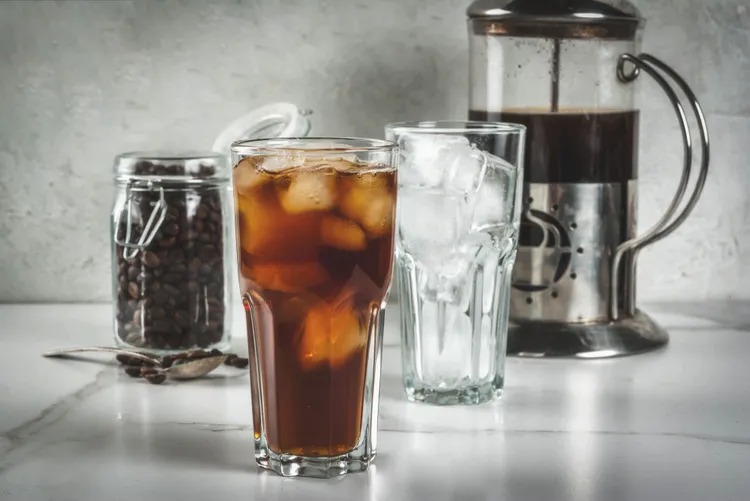
If you already own a French press for hot brewing, it doubles well as a cold brew vessel - steep the coffee and water directly in the carafe, then use the plunger as a first-pass filter when the steep time is up. The advantage here is not needing to buy anything new if you already have one, and the plunger mechanism is genuinely convenient for that first filtering step.
The main limitation is filtering quality: a French press's mesh plunger, like cheesecloth, lets a fair amount of fine sediment through on its own, so for the clearest result you'll still want to pour the plunged concentrate through a paper filter afterward. French press capacity is also generally smaller than a dedicated cold brew maker or a large Mason jar, which matters if you're trying to batch a full week's supply at once.
Mason Jar
The simplest option, requiring only a jar you likely already own plus a strainer and filter for straining afterward. There's no upfront cost beyond what most kitchens already have, and jar size is flexible - anything from a pint for a small single-day batch up to a half-gallon or larger for bigger batches. The tradeoff is that filtering is a fully separate, manual step rather than something built into the vessel, which takes a few extra minutes of hands-on time compared to a Toddy's spigot or a French press's plunger. Our Mason jar method covers this process in full.
Side-by-Side Comparison
- Upfront cost: Mason jar (usually $0 if you already own one) < French press (moderate, if you don't already own one) < Toddy-style system ($30-50)
- Convenience during filtering: Toddy (built-in spigot and filter) > French press (plunger, but needs a second filter pass for real clarity) > Mason jar (fully manual straining)
- Batch size flexibility: Mason jar (any size jar you own) > Toddy (fixed to the system's capacity) > French press (typically the smallest capacity of the three)
- Cleanup: Mason jar and French press (standard washing) are simpler than a Toddy's felt filter, which needs specific rinsing and periodic replacement
- Final concentrate quality: Comparable across all three once properly filtered - the vessel doesn't meaningfully change extraction, only the convenience of getting there
Which One Actually Makes Sense for You
If you're not sure yet whether cold brew is going to be a regular habit, start with a Mason jar. It costs nothing extra, produces genuinely excellent concentrate, and lets you figure out your preferred ratio, grind, and steep time before committing money to dedicated equipment. If you already own a French press and don't mind an extra filtering pass, that's a perfectly good middle ground. A Toddy-style system earns its cost once cold brew becomes a consistent weekly habit and the convenience of a built-in filter and spigot genuinely saves you meaningful time and effort over many batches.
A Note on Bigger Dedicated Systems
Beyond the Toddy-style single-batch systems, there are larger cold brew towers and cold brew coffee makers built for bigger households or for people making very large batches regularly. These follow the same basic tradeoff as the Toddy - more convenience and speed at filtering time, in exchange for higher upfront cost and a dedicated piece of equipment taking up cabinet or counter space. They're generally only worth it if you're consistently brewing large volumes; see our batch scaling guide for whether that's actually a fit for your routine.
Considering Countertop Space and Storage
Beyond cost and convenience, it's worth thinking about where each option actually lives in your kitchen day to day. A Toddy-style system or a French press typically needs a dedicated spot on the counter or in a cabinet, since they're single-purpose (or, for the French press, dual-purpose with hot brewing) pieces of equipment. A Mason jar has the advantage of being something you likely already store jars like it for other purposes, so it doesn't add a new category of item to find space for, which matters more than it might seem if kitchen storage is already tight.
What Serious Home Cold Brewers Tend to Land On
Among people who make cold brew consistently over a long period, it's common to start with a Mason jar, move to a Toddy-style system once the habit sticks, and eventually settle back into whichever method best matches how much volume they actually go through and how much hands-on time they're willing to spend. There's no universally "best" endpoint here - the right setup is genuinely the one that keeps you actually making cold brew regularly rather than the one that looks most impressive or that a particular brand markets hardest.
Mixing and Matching Methods
There's nothing wrong with using a French press for a quick single-day batch and a larger Mason jar or dedicated system when you want to brew a full week's supply at once. These methods aren't mutually exclusive, and having more than one option on hand gives you flexibility depending on how much time you have and how large a batch you're making on a given day.
Maintenance Requirements Compared
Beyond initial cost, ongoing maintenance differs meaningfully between these options. A Toddy-style felt filter needs regular rinsing after every batch and typically needs replacing every few months with consistent use, an ongoing small cost and task that doesn't apply to the other two methods. A French press's mesh plunger and glass carafe clean easily with standard dish soap and a bottle brush and rarely need replacing. A Mason jar is essentially maintenance-free beyond normal washing, since it has no specialized filter component built in at all.
Resale and Repurposing Value
If you ever decide cold brew isn't for you, a Mason jar and a French press both have obvious other uses in a kitchen - canning, food storage, or hot coffee brewing - so there's little sunk cost in trying either method. A dedicated Toddy-style system is more single-purpose, which is worth factoring in if you're not yet certain cold brew will become a lasting habit rather than a passing experiment.
Combining a Toddy System With the Filtering Guidance in This Guide
Even with a dedicated Toddy-style filter built in, some users still find a small amount of fine sediment makes it through, particularly as the felt filter ages. If you own one of these systems and notice this, running the drained concentrate through one additional paper filter pass, as described in our filtering guide, closes that gap without requiring any change to how you use the system itself.
A Decision Framework
If you're still unsure which to pick, a simple framework helps: choose a Mason jar if you're new to cold brew or want to keep costs at zero, choose a French press if you already own one and don't mind an extra filtering step, and choose a Toddy-style system if cold brew is already a settled weekly habit and you're specifically looking to reduce the hands-on time each batch requires. None of these choices lock you in permanently, and it's common to switch between them as your habits and priorities change.
Asking the Right Question Before Buying Anything
Rather than starting with "which equipment is best," a more useful question is "what specifically is frustrating me about my current process." If the answer is filtering takes too long, a Toddy-style system's built-in filter directly addresses that. If the answer is nothing in particular, and cold brew is going fine with a jar, there's genuinely no need to buy anything new just because dedicated equipment exists. Equipment should solve a real, specific friction point in your current routine, not simply promise a marginally more polished process for its own sake.
Gifting Considerations
A Toddy-style system, given its dedicated purpose and reasonable price point, makes a genuinely thoughtful gift for someone who's already expressed interest in home cold brew but hasn't invested in equipment yet. A French press is a similarly good gift option with the added benefit of being useful for hot brewing too, which broadens its appeal for someone whose coffee habits you're less certain about. A Mason jar, while perfectly effective, is a less exciting gift simply because it's something most kitchens already have in some form, even if it works just as well.
Long-Term Durability Comparison
Glass Mason jars and glass French press carafes both hold up well over years of regular use, provided they're not dropped, with the only real wear points being a French press's mesh filter and any rubber seals, which may eventually need replacing after extended heavy use. A Toddy-style system's plastic components and felt filter are the parts most likely to need replacement over time, making it somewhat less of a one-time purchase and more of an ongoing small investment, which is worth factoring into any long-term cost comparison between these options.
One More Practical Reminder
Don't let equipment shopping become a reason to delay actually making cold brew - starting with whatever you already have on hand, most likely a Mason jar, and upgrading later if a specific piece of dedicated equipment ends up genuinely solving a problem you've actually experienced, is a more sensible path than researching options extensively before ever brewing a single batch.
What to Do If You're Still Undecided
If you've read through all of this and still aren't sure, the lowest-risk path is simply starting with whatever costs nothing, most likely a Mason jar you already own, making a few batches, and paying attention to what actually frustrates you about the process. Maybe filtering feels like too much hands-on effort, maybe you wish you had more capacity for a bigger batch, or maybe the process already feels easy enough that no upgrade is needed at all. Real experience with your own habits is a far better guide to which equipment is worth buying than any general comparison, including this one.
A Final Practical Summary
Start with the Mason jar method if cost matters most or you're still deciding whether cold brew is a lasting habit, reach for a French press if you already own one and don't mind an extra filtering step, and invest in a Toddy-style system once you're confidently brewing on a regular schedule and want to streamline the filtering process specifically. None of these choices is permanent, and switching between them as your habits evolve is completely normal.
The Bottom Line
None of these three methods produces meaningfully better-tasting concentrate than the others when the ratio, grind, and steep time are correct - the coffee and water don't know or care what container they're sitting in. The decision genuinely comes down to how much you value hands-off convenience versus upfront cost and flexibility, and it's a decision worth revisiting occasionally as your habits and priorities shift rather than treating as permanently settled after your first purchase. Whichever you choose, the fundamentals of good cold brew stay exactly the same, which is ultimately the more important thing to get right. For the full process regardless of which vessel you choose, see the complete cold brew concentrate guide.
Latest