What Does 'Swangy' Mean? The Flavour Profile Explained
Swangy describes a specific flavour experience - the intersection of tangy, sweet, and funky that makes food compulsively craveable. It is not a cuisine or a trend but a flavour logic that appears in Mexican chamoy, Korean gochujang, Indian tamarind chutney, and dozens of other traditions.
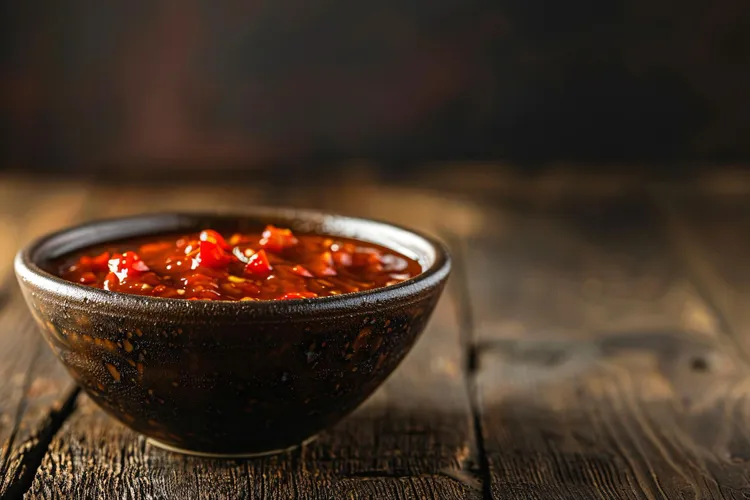
Words for flavour usually lag behind the experience. Umami existed as a taste sensation long before Kikunae Ikeda named it in 1908. Swangy is in a similar position - the flavour profile has always existed, in tamarind-forward chutneys, fermented-fruit condiments, and sour-sweet-spicy street food across dozens of cultures. The word is new. The thing it describes is ancient.
Breaking Down the Three Components
Tang
The acid component. Tangy food activates saliva production immediately, which is why the first bite of something tangy makes your mouth water. The tang in swangy cooking comes from multiple sources:
- Fermentation acids: Lactic acid from fermented fruits and vegetables, acetic acid from vinegar-fermented products. These have complexity beyond raw acid - a slight funkiness alongside the sharpness.
- Fruit acids: Tamarind, citrus, green mango, kokum. Fruit acids bring sweetness alongside the tang, which is why they are particularly useful in swangy cooking.
- Dried souring agents: Amchur (dried mango powder), sumac (dried berry), kokum (dried fruit rind). These deliver tang with no added liquid and minimal calories.
Sweetness
The sweetness in swangy food is not confectionery sweetness. It is the background note that prevents tang from being harsh and gives the flavour a rounded, inviting quality. In practice it comes from:
- Palm sugar, jaggery, brown sugar - small amounts, not enough to make a dish taste sweet
- The natural sugars in ripe fruit (tamarind paste has significant natural sugar)
- The sweetness produced by fermentation - gochujang is sweet partly because the glutinous rice in its base ferments into simpler sugars
- Reduced fruit juices and molasses (pomegranate molasses is perhaps the most purely swangy commercial product available)
Funk
The most interesting and most misunderstood component. Funk in food comes from controlled fermentation and ageing - the same process that produces complexity in aged cheese, wine, and cured meat. In swangy cooking the funk comes primarily from:
- Fish sauce, shrimp paste, fermented anchovy - providing glutamate-rich savoury depth
- Gochujang and doenjang - Korean fermented pastes with a deep, almost earthy funk
- Fermented fruit condiments (chamoy, preserved lemon, pickled plum) - fruit sugars fermented into complex organic acids
- Aged tamarind - the longer tamarind paste is aged, the more developed the funk becomes
The funk is what separates swangy from simple sweet-and-sour. Without it, you have a lemonade. With it, you have something genuinely compelling.
The Neuroscience of Why Swangy is Craveable
The combination of acid, sweetness, and fermented umami hits multiple taste receptors simultaneously. Acid makes the mouth water and sharpens perception of all other flavours. Sweetness activates dopamine-linked reward pathways. Umami/funk extends the aftertaste and creates what food scientists call "flavour persistence" - the sensation keeps going after you swallow. Together, they create a loop: each element sets up the next one, and the combination is perceived as more satisfying than any of the three alone. This is the same mechanism behind why umami is so craveable - the swangy profile simply extends that mechanism across a wider taste register.
Swangy vs Related Flavour Descriptors
- Sweet and sour: Two-dimensional. Sweet and sour sauce has tang and sweetness but typically lacks the fermented funk that makes swangy food compelling.
- Tangy: One-dimensional acid. Swangy needs the sweet and funk components to work.
- Funky: The fermented/pungent dimension alone. Funky without tang or sweetness is just strong-tasting food.
- Bright: A broader culinary term for acid-forward flavour. Swangy is a specific type of bright that includes sweetness and funk.
Identifying Swangy Food in the Wild
Ask three questions about a dish: Does it make your mouth water immediately? Does it have a background sweetness that prevents the acid from being harsh? Is there a fermented or aged depth in the flavour that extends the aftertaste? If yes to all three, it is swangy. Classic examples: tamarind chutney, chamoy, gochujang sauce, nuoc cham (Vietnamese dipping sauce), pomegranate molasses drizzled over halloumi, a well-made hot sauce with fruit and fermented base.
For how to build this profile deliberately in your own cooking, see the Complete Guide to the Swangy Flavour Movement.
Latest