How to Add Protein to Any Meal Without Cooking a New Dish
You don't always need to rebuild a meal to increase its protein. These eight add-ins - most taking under 2 minutes - can push a meal's protein up by 10-25g without changing what you're eating.
The easiest protein problem to fix isn't a badly structured meal. It's a meal you already enjoy that's just 15–20g short of where it needs to be. A pasta dish with 18g protein doesn't need to be replaced - it needs one addition. A grain bowl with 22g protein is one scoop of cottage cheese away from 39g. These small interventions compound across three meals and close most of the gap between where people think they're eating and where they need to be.
Everything below requires under 2 minutes of active effort and no additional cooking.
1. Cottage Cheese as a Side or Topping (+16-22g protein, +130-170 kcal)
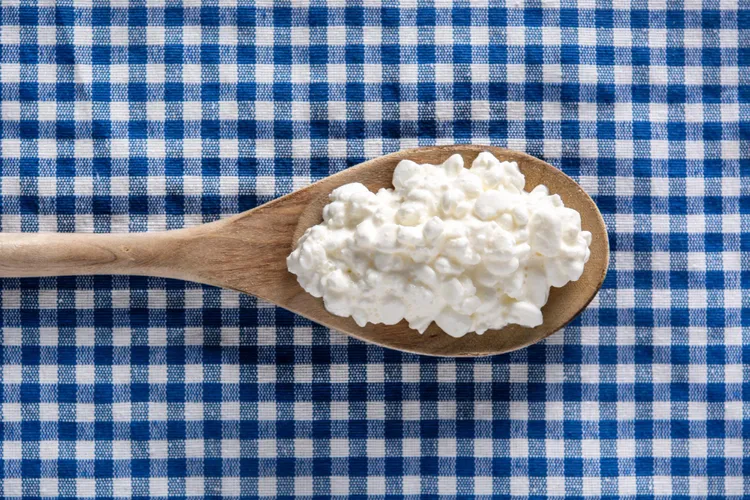
A 150–200g scoop of low-fat cottage cheese alongside any meal adds 16-22g protein at 130-170 kcal. Spoon it next to a pasta dish, place it on top of a grain bowl, serve it as a side to a chicken dinner that came up slightly short on protein, or stir it into a sauce directly. The flavour is mild enough that it doesn't significantly alter the character of most dishes.
Seasoning makes it more intentional rather than an afterthought: smoked paprika, za'atar, chilli flakes, or simply salt and pepper transform a plain scoop into something that reads as a planned part of the meal. The egg and cottage cheese omelet is the clearest example of how fully cottage cheese integrates into a hot dish without compromising the result. For full uses across different meal types, see the cottage cheese recipes guide.
Best added to: Pasta dishes, grain bowls, salads, any meal that has a protein anchor but needs a top-up.
2. Egg Whites Stirred Into Hot Foods (+10-15g protein, +50-85 kcal)
Egg whites (1 white = ~3.6g protein, 17 kcal) are invisible when stirred into hot liquids. Added to oatmeal while it's on the heat, they set into the porridge without changing texture or flavour detectably - 3 whites add ~11g protein at ~50 kcal to what would otherwise be a low-protein meal. In tomato-based pasta sauces, 2-3 egg whites stirred in while the sauce simmers add protein without changing the colour or flavour meaningfully. In scrambled eggs, 2 extra whites alongside 2 whole eggs boosts protein from ~12g to ~19g at a cost of ~35 kcal.
The key is adding whites to food that's already hot enough to cook them through. In oats: stir in just before removing from heat, keep stirring for 30-40 seconds. In sauces: stir in over medium-low heat for 1-2 minutes. In scrambled eggs: beat with whole eggs before cooking.
Best added to: Oatmeal, pasta sauces, scrambled eggs, soups.
3. Hard-Boiled Eggs on the Side (+12g protein, +140 kcal for 2 eggs)
The simplest protein add-in available. Batch-cook 8-10 eggs on Sunday (12 minutes from cold water, ice bath immediately), store in-shell in the fridge for 7 days. At any meal that's short on protein - or any snack moment - peel 2 eggs and add them alongside. Two eggs: 12g protein, 140 kcal, zero preparation at eating time.
This works most effectively as a lunch add-on (a tuna salad with 2 eggs becomes a 37g protein meal) and as a snack when a single protein source isn't enough. For more on daily egg consumption and cooking methods, see the eggs protein guide.
Best added to: Salads, grain bowls, light lunches, snacks.
4. Canned Tuna as a Topper (+25g protein, ~100 kcal)
One drained can of tuna in water adds ~25g protein at ~100 kcal and can sit on top of pasta, grain bowls, salads, or toast in 30 seconds. A simple pasta dish (cooked pasta + olive oil + garlic + black pepper) goes from ~12g to ~37g protein with one can added. A mixed salad with vegetables and olive oil becomes a complete, high-protein meal with canned tuna on top at well under 400 kcal total.
Canned tuna is non-perishable and inexpensive - stocking 6-12 cans permanently means this protein add-in is always available regardless of what else is in the fridge. For budget considerations and cost-per-gram comparison with other sources, see the cheap protein sources guide.
Best added to: Pasta, grain bowls, salads, sourdough toast, wraps.
5. Smoked Salmon Topper (+20g protein, ~130 kcal for 80-100g)
80–100g of smoked salmon placed on top of a salad, grain bowl, or avocado toast adds ~20g protein at ~130 kcal with no cooking required. The flavour is distinctive and works best with neutral or acidic bases - grain bowls with lemon dressing, simple green salads, or the cottage cheese base from the smoked salmon and cottage cheese bowl.
Cost is higher than canned tuna - smoked salmon runs $5-10 per 100g at most supermarkets - so it's not the everyday budget add-in that tuna is. But for a quick, high-quality lunch protein boost on days when you want something that feels better than opening a tin, it's the fastest option available at 25-35g protein for a very small amount of effort.
Best added to: Salads, grain bowls, cottage cheese bases, sourdough or rye crackers.
6. Edamame as a Side or Mix-In (+12g protein, ~190 kcal for 150g)
150g of frozen edamame defrosted in 2 minutes (microwave, covered, with a splash of water) or 3 minutes in boiling water adds ~12g complete plant protein at ~190 kcal. Works as a side dish to any meal, as a salad addition, or as a standalone snack. Season with flaky salt and a squeeze of lemon, or with soy sauce and sesame oil for an Asian-style version.
Edamame is one of the few plant proteins with a complete amino acid profile - all essential amino acids present in useful quantities. For people eating less animal protein, it's the most efficient plant-based add-in on this list. A grain bowl with edamame on top becomes a complete-protein meal even without an animal protein source.
Best added to: Grain bowls, salads, stir-fries, as a snack alongside a light meal.
7. Protein Powder Into Oats, Yogurt, or Smoothies (+24-25g protein, ~110 kcal per scoop)
One scoop of whey or plant-based protein powder (30g) adds ~24-25g protein at ~110 kcal. Stirred into Greek yogurt it creates a thick, pudding-like consistency - this is the base for the Greek yogurt protein bowl in the 40g protein breakfast guide. Blended into overnight oats it boosts a typically low-protein breakfast to 40g+ with no additional ingredients. In smoothies, it's the standard approach for anyone using a blender.
For liquid smoothie applications, the oatmeal banana protein shake shows how to integrate protein powder into an oat-based drink effectively - the oats and banana provide structure and natural sweetness, the powder adds the protein target.
Choose unflavoured or vanilla for maximum versatility. Avoid very sweet or artificial-tasting flavours - they limit which foods you can add the powder to without changing the flavour profile.
Best added to: Greek yogurt, overnight oats, smoothies, pancake batter.
8. Greek Yogurt Into Sauces and Dressings (+10g protein per 100g, minimal calorie cost)
100g of non-fat Greek yogurt stirred into a curry, pasta sauce, or used as a dressing base adds ~10g protein at ~60 kcal. Works in any sauce where cream or sour cream would normally be used. The key restriction: add Greek yogurt off the heat or on very low heat - high temperatures cause it to curdle. For hot sauces, remove from the heat, stir in yogurt, and serve immediately. For cold dressings (ranch, tzatziki, herb sauces), Greek yogurt works at any temperature with no risk of splitting.
For cooked hot sauces where splitting is a concern, use cottage cheese instead - it's heat-stable and blends smooth. See the pasta sauce application in the cottage cheese recipes guide for the exact approach.
Best added to: Cold dressings, tzatziki, off-heat curry sauces, dips, soup garnishes.
Once your daily protein target is set, Consillar's macro meal planner can build a full day of recipes that hit your exact numbers automatically - useful if you want a structured plan rather than building meal by meal.
The 5-Minute Pre-Meal Protein Audit
Before eating, ask: does this meal have a clear protein anchor, and how much is it contributing? If the answer is under 25g, pick one item from this list. Most require no cooking and under 2 minutes of active effort. The difference between a 15g protein meal and a 35g protein meal is often a single scoop of cottage cheese or one can of tuna - a decision that takes 30 seconds, not a rebuilt recipe.
These small interventions across three meals daily add 30-60g protein at 300-500 additional calories - enough to close most of the gap between typical intake and a 150g daily target. For the full structural framework on building protein into every meal from the ground up, see the protein-first cooking method guide.
Making the Protein Check Automatic
The 5-minute pre-meal protein check is only useful if it becomes automatic. The habit to build: before eating, ask what the protein anchor of this meal is and roughly how much it contributes. If the answer is under 20g, pick an add-in before eating. Over time this becomes instantaneous - you recognise low-protein meals by sight and reach for an add-in reflexively. The transition from conscious habit to automatic behaviour typically takes 4-6 weeks of consistent practice. Track protein during this period to calibrate your estimates. For the full structural approach to building protein anchors into meals from the start - rather than adding retroactively - see the protein-first cooking method guide.
Latest