Balsamic Vinegar Guide: Cheap vs. Aged and When It Matters
Most balsamic on supermarket shelves is wine vinegar with thickeners and caramel coloring. Real balsamic is grape must aged for 12 years minimum. Both have their uses - the key is knowing which you're buying and what each one can actually do.
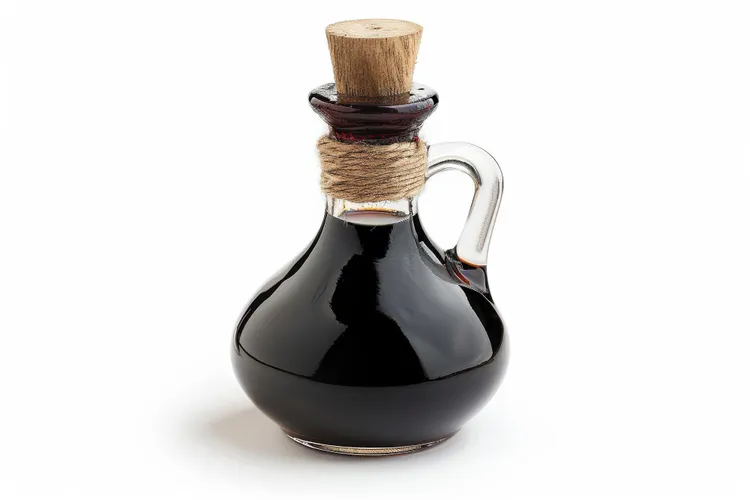
The gap between a $4 bottle of balsamic and a $60 bottle is not a marketing trick - it's a difference in production method, ingredient quality, and aging time that comes through clearly on the palate. Most people use commercial balsamic every day without knowing what it actually is. That's fine as long as you're using it correctly. But pouring tradizionale balsamic into a reduction is like cooking a $50 bottle of aged whisky into a braising sauce - the complexity burns off. And using supermarket balsamic as a finishing condiment instead of the real thing is a missed opportunity of a different kind.
The Two Very Different Products
Traditional Balsamic (Aceto Balsamico Tradizionale)
Made from cooked grape must - the fresh pressed juice of white Trebbiano grapes - in Modena or Reggio Emilia. No wine vinegar is added. The must is aged in a series of progressively smaller wooden barrels (oak, cherry, chestnut, mulberry, juniper) for a minimum of 12 years. The "Extravecchio" designation requires 25 years of aging. The result is thick, glossy, and deeply complex - sweet, tart, and savory all at once, with notes of dried fruit, wood, and a gentle caramel quality from the cooked must. A standard bottle yields about 100ml and costs $50 to well over $100. You use it in drops, not tablespoons. Apply with a small dropper over grilled meat, aged cheese, strawberries, or vanilla ice cream. Never use it in a reduction - you would be destroying the 12 years of work in 10 minutes over heat.
Commercial Balsamic (Aceto Balsamico di Modena IGP)
Wine vinegar with grape must concentrate, caramel color, and sometimes added thickeners. The protected designation "Aceto Balsamico di Modena IGP" means some quality controls apply - minimum aging of 60 days, with Invecchiato (aged) designation requiring 3 years. Basic commercial balsamic without the IGP label has no such requirements and is essentially flavored wine vinegar. The flavor of a good IGP balsamic is genuinely pleasant - tangy, slightly sweet, with grape depth - and works well for dressings, reductions, glazes, and marinades. Spending more than $12 to $15 on commercial balsamic rarely produces meaningfully better cooking results. Look for grape must as a primary ingredient rather than caramel color at the top of the list.
Balsamic Glaze
Commercial balsamic reduced with sugar until syrupy, often sold in squeeze bottles. Convenient for plating but very high in sugar and with less complexity than a homemade reduction. Making your own gives better control: simmer 240ml commercial balsamic with 2 tbsp sugar over medium-low heat for 10 to 15 minutes, stirring occasionally, until it reduces by half and coats the back of a spoon. Cool before using. Keeps refrigerated for 2 to 3 weeks.
Cooking With Commercial Balsamic
Reductions and Glazes
The application where commercial balsamic performs best. Reducing concentrates sweetness and acidity and produces a sticky, glossy sauce. The sugar in the vinegar caramelizes as it reduces, adding color and depth. The classic application: filet mignon with balsamic glaze, where the vinegar, red wine, and brown sugar reduce together in the pan drippings to produce a glossy finishing sauce. For chicken, balsamic chicken and mushrooms demonstrates how the same principle produces an excellent weeknight main - the vinegar becomes the backbone of the pan sauce.
Vinaigrettes
Balsamic vinaigrette is sweeter and milder than most wine vinegar dressings. The standard 3:1 oil-to-vinegar ratio works well, but because balsamic is less sharp than red wine vinegar, you can go 2.5:1 if you want more acid presence. Always add Dijon mustard as an emulsifier. Balsamic vinaigrette works best on robust salads: arugula with roasted beets and goat cheese, radicchio with walnuts and pear. Don't use it on delicate butter lettuce, where it overwhelms. For full ratio adjustments by vinegar type, see homemade vinaigrette ratios.
Marinades
Commercial balsamic in a marinade contributes both acid (tenderizing) and sugar (caramelization). Keep the proportion controlled - about 2 to 3 tbsp per 500g of meat - to avoid burning. The sugar in balsamic will char before meat is cooked through if the concentration is too high. It pairs best with red meat, portobello mushrooms, and firm vegetables. The white wine marinated portobello mushrooms recipe demonstrates an acid-forward mushroom marinade - swap white wine for balsamic for a deeper, sweeter result.
In Soups and Braises
A small addition at the end of a long braise rounds out acidity and adds color. Works particularly well in lentil soups (1 tbsp per 4-serving pot, added in the last 10 minutes), beef and root vegetable stews, and slow-roasted tomato sauces. In a tomato sauce, 1 to 2 tsp deepens the tomato flavor and softens any metallic notes from canned tomatoes.
As a Deglazer
After searing beef or duck in a hot pan, a splash of commercial balsamic deglazes the fond quickly and creates an instant base for a sauce. The sugar caramelizes almost immediately in the residual heat, so have stock or cream ready to add right behind it. This technique produces excellent pan sauces in under 5 minutes.
When to Use the Good Stuff
Tradizionale earns its price point in applications where nothing is cooked. Classic uses: a few drops over thinly sliced Parmigiano-Reggiano as a starter, over strawberries macerated with a little sugar, over fresh ricotta, on a piece of grilled calf's liver with fried sage, or drizzled over vanilla gelato. The rule is consistent: the less heat involved, the more quality shows. If the vinegar is going into a reduction or a marinade, the aged nuance cooks off - use commercial. If it's going directly on the plate, that's where the 12 years of barrel aging justifies the price.
How to Tell What You're Buying
Label hierarchy for Italian balsamic, from highest quality to lowest: Aceto Balsamico Tradizionale di Modena DOP (the real thing), Aceto Balsamico di Modena IGP (regulated commercial), Condimento Balsamico (commercial without IGP but sometimes genuinely good), and plain "balsamic vinegar" or "balsamic-flavored vinegar" (no standards). The cap color on tradizionale bottles matters: cream/white indicates the 12-year version, gold indicates Extravecchio (25+ years).
Storage
Commercial balsamic keeps 3 to 5 years sealed, 1 to 2 years opened, at room temperature away from direct light. Tradizionale has essentially indefinite shelf life. Once opened, store upright in a cool cupboard. A small dropper or squeeze bottle makes portioning easier and prevents overuse.
For the full picture of how balsamic fits within the wider vinegar family, see the vinegar renaissance guide.
How to Taste Balsamic Like You Know What You're Looking For
Commercial balsamic from a squeeze bottle and tradizionale balsamic from a small bottle with a consortium seal are almost unrecognizable as the same category of product once you taste them side by side. If you've never had the real thing, it's worth trying at least once: find a specialty food shop or Italian deli that sells tradizionale by the drop or in a small tasting portion. The difference is structural - commercial balsamic is predominantly acetic acid with sweetness added; tradizionale is predominantly concentrated grape must that happens to be acidic. The acid in tradizionale is present but felt rather than tasted, the way tannin is felt in a red wine rather than tasted as a distinct flavor. Once you've tasted it, you'll understand why people who know balsamic cringe at the commercial version being used as a finishing condiment.
Balsamic in Sweet Applications
Commercial balsamic works in dessert contexts where the sweet-acid contrast is the point. Balsamic strawberries: slice 400g fresh strawberries, toss with 1 tbsp commercial balsamic and 1 tsp sugar, let macerate for 10 to 15 minutes. The acid draws moisture from the strawberries, creating a concentrated syrup in the bowl. Serve over vanilla ice cream or with fresh ricotta and a little honey. The same technique works with peaches, nectarines, and figs. About 80 kcal per serving without ice cream, 16g carbs, negligible protein. If you have tradizionale, this is one of the applications where a few drops over the finished dish replaces the commercial balsamic entirely and produces something substantially better.
Balsamic Reduction: Making Your Own
A 3:1 reduction of commercial balsamic produces something closer to tradizionale in consistency, though not in flavor complexity - the aging and barrel character can't be replicated by reducing a commercial product. But for a thick, glossy finishing sauce at a fraction of the price: pour 240ml of commercial balsamic into a small saucepan. Add 2 tbsp sugar if you want it sweeter. Simmer over medium-low heat, stirring occasionally, for 12 to 18 minutes until reduced to about 80ml and coats the back of a spoon thickly. Cool before using - it thickens further as it cools. Store refrigerated for 2 to 3 weeks. This reduction has more depth than most commercial glazes and costs about $2 to make versus $8 for a pre-made bottle.
Regional Variations Worth Knowing
Two DOP designations exist for tradizionale: Modena and Reggio Emilia. The Modena version tends to be slightly sweeter and softer; the Reggio Emilia version is often more complex and sharper. Both use Trebbiano grapes. Within the tradizionale category, older is not always better for every application - the 12-year is excellent for general use; the 25-year Extravecchio is more concentrated and complex, best reserved for very simple applications where the vinegar is the entire point. For cooking purposes, there is essentially no difference between Modena and Reggio Emilia commercial balsamic - the distinction only matters at the tradizionale level.
Balsamic in Cocktails and Non-Alcoholic Drinks
White balsamic (the pale version made from Trebbiano must that's not cooked as long, preserving a lighter color) is one of the best vinegars for drink applications. The sweetness and mild acid of white balsamic in a shrub or cocktail shrub produces something approachable and complex. A standard white balsamic shrub: 200g white grape juice or fresh-pressed white grapes, 150g sugar, 150ml white balsamic. Cold process 48 hours. Mix 30ml with 150ml sparkling water and a few leaves of fresh basil for a non-alcoholic drink that's genuinely sophisticated. White balsamic is also excellent in a Negroni variation (replace the sweet vermouth reduction with white balsamic in the citrus component), and in a champagne cocktail (2 tsp white balsamic in the flute before adding the champagne). Commercial dark balsamic in drinks generally produces too much sweetness and color - white balsamic is the right choice for drink applications.
Cost-Per-Use Analysis
A useful way to think about the cost of tradizionale balsamic: a 100ml bottle at $60 costs $0.60 per drop at approximately 100 drops per 100ml. A serving for two on a plate of Parmigiano-Reggiano uses about 5 to 8 drops. That's $3 to $5 for a finishing element that elevates the dish entirely. Compared to a small garnish of truffle (at $5 to $10 for a few shavings) or a glass of good wine to pair with the course, the per-serving cost of tradizionale balsamic used correctly is entirely reasonable. The miscalculation people make is thinking of it as a cooking ingredient used in tablespoon quantities rather than a finishing condiment used in drop quantities. Used correctly, a 100ml bottle lasts 6 to 12 months in a home kitchen.
Balsamic in Global Cuisine
Commercial balsamic has migrated far beyond Italian cuisine. In Middle Eastern cooking, a small amount of balsamic in a pomegranate molasses-based sauce adds depth and extends the complex sour-sweet character. In Japanese-influenced Western cooking, a balsamic-soy glaze on grilled salmon or eggplant draws on both umami sources simultaneously. In Moroccan-inspired dishes, a splash of balsamic at the end of a tagine with prunes and almonds deepens the fruit notes. These are all applications where the grape-based sweetness and acidity of commercial balsamic works with the flavors of the dish rather than introducing an incongruous Italian note. The versatility comes from the fundamental character: sweet, sour, dark, and grapey. That combination works across culinary traditions wherever similar profiles appear naturally.
Balsamic and Protein: Macros in Context
Most balsamic applications don't contribute significant macros to a dish. Commercial balsamic at 2 tbsp per serving (a generous dressing amount): approximately 28 kcal, 6g carbs, 0g protein, 0g fat. The sugar content is the primary nutritional consideration - about 5g per 2 tbsp in most commercial versions. For glazes and reductions that use larger amounts and reduce down, the sugar concentration increases: a balsamic glaze made from 240ml reduced to 80ml has approximately 3x the sugar per tablespoon. This matters for calorie-tracking but doesn't change how you cook - just be aware that balsamic glazes are meaningfully higher in sugar than other finishing sauces.
Latest