Homemade Vinaigrette Ratios: The Formula That Works With Any Vinegar
The 3:1 oil-to-acid ratio is where vinaigrette starts, not where it ends. Different vinegars have different acidity levels and flavor profiles, which means the ratio needs to shift. Here's how to calibrate a dressing to any vinegar in your pantry.
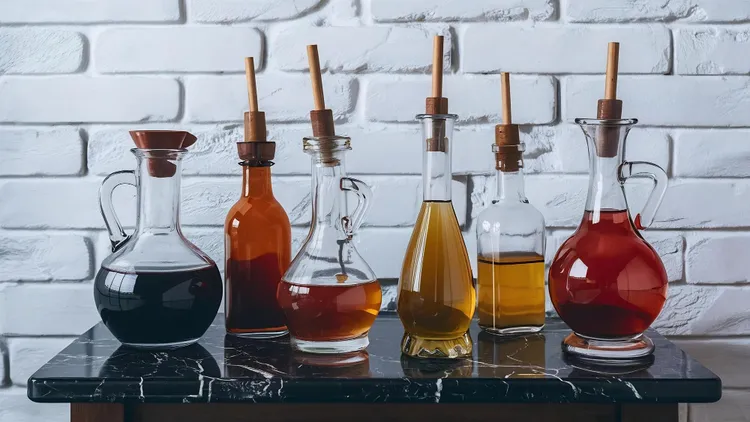
The 3:1 oil-to-vinegar ratio exists because it produces a balanced result with a vinegar of average acidity - around 6%. From there, everything depends on the specific vinegar, what the dressing is going on, and personal taste. Red wine vinegar at 7% and rice vinegar at 4% are not the same ingredient in a vinaigrette formula, and treating them identically is why homemade dressings often taste either flat or aggressively sour. Getting this right is a skill worth developing - a proper homemade vinaigrette is faster than buying a bottle, significantly better than most commercial options, and completely customizable.
The Core Formula
Base ratio: 3 parts oil, 1 part acid, a pinch of salt, and an emulsifier. The emulsifier is not optional - without it, oil and vinegar separate immediately and the dressing coats salad leaves unevenly. The standard emulsifier is Dijon mustard: about 1/2 tsp per 60ml of total dressing. Honey (1/4 tsp) also emulsifies while adding sweetness. Garlic rubbed into the bowl produces a partial emulsion. Egg yolk works for richer dressings.
Method: whisk the vinegar, salt, and mustard together first, then add the oil in a slow stream while whisking constantly. Alternatively, add everything to a sealed jar and shake vigorously. Taste, then adjust. More acid if flat. More oil if harsh. More salt if bland. A small pinch of sugar (1/4 tsp) if the vinegar is too sharp for what you're dressing.
Ratio Adjustments by Vinegar Type
Red Wine Vinegar (6-7% acidity)
Standard 3:1. This is the reference ratio - red wine vinegar at 6-7% is what the 3:1 rule was written for. The result is assertive and sharp, which is the point: it holds up against robust flavors like aged cheese, bitter greens, anchovies, olives, and red onion. Classic applications: Greek salad, fattoush, any Mediterranean-style composed salad. Don't soften this one unnecessarily - its sharpness is an asset.
White Wine Vinegar (6-7% acidity)
Standard 3:1. Same acidity as red wine vinegar but cleaner and lighter on the palate, with less tannin. A French-style shallot vinaigrette - white wine vinegar, minced shallot, Dijon, good olive oil - is one of the most elegant simple dressings there is. Works on butter lettuce, haricots verts, endive, and any salad where you want brightness without color or grape depth. For the comparison between red and white wine vinegar across all applications, see white wine vs. red wine vinegar.
Sherry Vinegar (7-8% acidity)
Start at 3.5:1 or 4:1. Sherry vinegar's higher acidity and complexity mean it goes further than standard wine vinegars - a little too much creates a dressing that's sharp and nutty in a way that overwhelms rather than complements. At 3.5:1 or 4:1, the nutty complexity comes through without dominating. Excellent on bitter greens, warm lentil salads, and roasted vegetable salads. More on this vinegar in our sherry vinegar guide.
Apple Cider Vinegar (5% acidity)
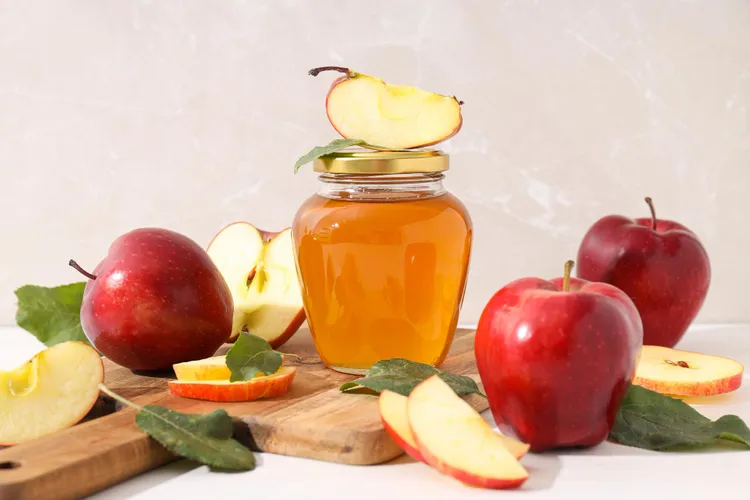
2.5:1 to 3:1. Milder than wine vinegars, fruity, and slightly sweet - can lean toward more acid without harshness because the sharpness is softer. The fruity character works naturally with honey and whole grain mustard. A honey-ACV dressing is one of the most versatile for everyday use: 3 tbsp olive oil, 1 tbsp ACV, 1 tsp honey, 1 tsp whole grain mustard, salt, and pepper. Works on grain bowls, roasted vegetables, and any autumnal salad with fruit and nuts. More on ACV in our apple cider vinegar cooking guide.
Rice Vinegar (4% acidity)
2:1 to 2.5:1. Mild enough that a 3:1 ratio produces a dressing where the acid barely registers. At 2:1, you can actually taste the vinegar working. More importantly, rice vinegar dressings are best when the oil changes too: use sesame oil (or a blend of sesame and neutral oil) rather than olive oil. The combination of rice vinegar and sesame oil is a foundational Asian dressing base. Add soy sauce, ginger, and a pinch of sugar for a complete dressing. Avoid olive oil with rice vinegar - the flavor combination is awkward in most applications.
Balsamic Vinegar (commercial, ~6% acidity)
3:1, but with adjustments for sweetness. Commercial balsamic has natural grape sweetness - adding more sugar often makes the dressing cloying. Start with 3:1, add Dijon mustard, taste before adding any sweetener. If it needs balancing, a small pinch of sugar or a few drops of honey works, but often it doesn't need anything. Balsamic vinaigrette is best on robust salads - arugula, roasted beet and goat cheese, grilled stone fruit with bitter greens. Full balsamic guide at balsamic vinegar guide.
Lemon or Lime Juice (~5-6% citric acid)
2.5:1 to 3:1. Citric acid behaves differently from acetic acid - it's brighter and fades faster once the dressing is applied. Dress salads at the last possible moment with citrus-based dressings, because the acid starts breaking down delicate leaves within minutes. Also: lemon juice dressings don't store well. Best made fresh per serving.
Oil Choices and Their Effect on Acid Perception
The oil changes how acid is perceived on the palate. A lighter, neutral oil (sunflower, grapeseed, avocado) produces a dressing that tastes sharper for the same vinegar quantity, because the oil isn't adding competing flavor. Extra virgin olive oil, with its bitterness and fruitiness, cushions the acid and creates a more complex overall flavor. Walnut oil amplifies nutty notes in the vinegar (particularly good with sherry vinegar). Sesame oil pairs with rice and black vinegar in ways that no other oil matches.
For a dressing with a sharper vinegar (sherry, red wine), a more neutral oil lets the vinegar complexity shine. For a dressing with a mild vinegar (rice, ACV), the oil should add the body and flavor the vinegar can't provide.
Add-In Combinations by Vinegar
- Red wine vinegar base: Minced garlic, dried oregano, capers, anchovy paste, fresh parsley, Kalamata olives
- White wine vinegar base: Minced shallot, fresh tarragon or chervil, lemon zest, Dijon mustard
- ACV base: Honey, whole grain mustard, fresh dill, grated fresh ginger, a pinch of celery seed
- Rice vinegar base: Sesame oil, soy sauce, grated ginger, minced scallion, toasted sesame seeds
- Balsamic base: Dijon mustard, minced garlic, fresh thyme leaves, a small amount of maple syrup if needed
- Sherry vinegar base: Smoked paprika, minced garlic, orange zest, flat-leaf parsley, a touch of honey
Making in Bulk
A plain vinaigrette (without fresh garlic, shallot, or herbs) keeps refrigerated for up to 2 weeks in a sealed jar. It will separate - shake or re-whisk before use. A standard batch: 120ml oil, 40ml vinegar, 1 tsp Dijon, 1/4 tsp salt, optional 1/4 tsp sugar. Add fresh aromatics per serving to preserve flavor and prevent early breakdown.
For a quick application that demonstrates a good basic vinaigrette in action, the dressing on this chargrilled chicken and vegetable salad uses vinegar and garlic at the simplest possible ratio - effective proof that the fundamentals work without elaboration.
For the full context of which vinegars belong in a well-stocked pantry, see the vinegar renaissance guide.
Fixing a Vinaigrette That's Gone Wrong
Every vinaigrette can be saved. Too sharp: add oil in small additions, whisk, taste, repeat. The acid doesn't change - the ratio shifts. Too mild or flat: add a few drops of vinegar, a pinch of salt, or both. If it tastes dull rather than flat, the issue is usually insufficient salt rather than insufficient acid - try salt first. Too sweet: add a small amount of vinegar and a pinch of extra salt to cut through the sweetness. Broken (separated and not re-emulsifying): pour the mixture into a blender jar or use an immersion blender with a small additional amount of Dijon and blend for 20 seconds. A broken vinaigrette almost always re-emulsifies with a little mustard and mechanical action. The only vinaigrette that can't be saved is one where too much of the wrong vinegar was added and the entire character is wrong - at that point, starting over is faster than adjusting.
Warm Vinaigrettes
A warm vinaigrette is made by heating the dressing components briefly and pouring over ingredients that benefit from slight wilting or marinating in warmth. The technique works particularly well on sturdy greens (spinach, kale, radicchio), roasted vegetables, grain salads, and poached fish. Warm vinaigrette technique: make your standard dressing in a small pan instead of a bowl. Add the vinegar and seasonings first, then whisk in the oil off the heat (or with the pan barely warm). Pour immediately over the dressed item. The warmth opens the flavors slightly and wilts delicate ingredients just enough. Use sherry vinegar or red wine vinegar for warm vinaigrettes on bitter greens and lentils - the depth handles the warmth better than mild vinegars.
Creamy Vinaigrettes
Adding a small amount of mayonnaise or sour cream to a standard vinaigrette produces a creamy dressing that still has the acidity of a vinaigrette but the body of a cream dressing. The ratio shift: 3 parts oil, 1 part vinegar, 1 part mayonnaise or sour cream. The fat in the dairy or mayo requires a slightly higher vinegar ratio than plain oil alone would. This style works best with red wine or ACV vinegars (their stronger character holds up against the fat) and pairs well with cold protein salads - chicken, tuna, egg, or grain-based. It emulsifies very easily and stays stable longer in the fridge than a standard oil-and-vinegar dressing.
Vinaigrette as a Finishing Sauce
A vinaigrette can function as a finishing sauce on hot proteins when it's made with enough body and acidity to hold up under heat. The classic Italian application: drizzle a sherry vinegar or red wine vinegar-based vinaigrette directly over a just-cooked piece of grilled fish or chicken while still hot. The fat and acid combination creates an instant sauce as the heat slightly warms the dressing. The key is using a vinegar with enough depth to be present against the savory cooked protein — rice vinegar is too mild here, but sherry or red wine vinegar in the correct ratio produces something that functions like a warm restaurant-style sauce with no additional cooking required.
Vinaigrette for Different Cuisines
The oil-acid-emulsifier framework extends across culinary traditions with different primary oils and acids. A Mexican-style salad dressing uses lime juice (or ACV with a splash of lime), olive oil or neutral oil, a small amount of honey, fresh cilantro, and a pinch of cumin - the ratio shifts toward more acid (2:1) because lime is fresh and bright rather than lingering like vinegar. A Japanese-style ponzu dressing uses yuzu juice or lemon, rice vinegar, soy sauce, and a small amount of sesame oil - the soy contributes both saltiness and an umami note that standard salt doesn't provide. A Middle Eastern-style dressing uses sumac (a sour red berry powder) alongside white wine vinegar in the acid component, which produces a deeper, more complex tartness. These all follow the same structural logic - fat, acid, emulsifier, salt, aromatics - with the cultural identity coming from which specific ingredients fill each role.
Vinaigrettes for Specific Diets
The base vinaigrette formula works across dietary contexts with simple modifications. For low-fat applications, reduce the oil to 1.5:1 (oil to vinegar) and compensate by adding more emulsifier (a rounded teaspoon of Dijon) and a small amount of water to maintain volume. The result is sharper than a standard vinaigrette but still dressed. For sugar-free diets, skip the standard pinch of sugar and use a small amount of stevia or just accept the slightly sharper result - rice vinegar-based dressings are naturally mild enough that the sugar is genuinely optional. For high-fat diets, increase the oil ratio and use higher-fat oils (avocado, macadamia) to increase the energy density of the dressing while maintaining the flavor balance. The ratio remains flexible as long as the proportional relationship between acid, fat, and emulsifier holds.
Emulsification Science: Why the Ratio Matters
The 3:1 oil-to-acid ratio isn't arbitrary - it reflects the physics of emulsification. Emulsions are stable when the dispersed phase (the water-based vinegar) is small enough relative to the continuous phase (the oil) to be held in suspension by the surfactant (the mustard). Too much acid relative to oil and the emulsion reverses (becomes water-in-oil rather than oil-in-water), producing a greasy rather than creamy texture. Too little acid and the dressing tastes flat because there isn't enough of the flavor-active component to register on the palate. The emulsifier molecules (the lecithin in the egg yolk or the mucilage compounds in Dijon) have an oil-loving end and a water-loving end; they sit at the interface between droplets and prevent them from merging. More emulsifier means a more stable emulsion - this is why blended dressings last longer than shaken ones and why restaurant vinaigrettes hold together all day while homemade ones separate in an hour without an emulsifier.
Acid Combinations in Vinaigrettes
You don't have to use a single acid in a vinaigrette. Combining two acids produces results that neither achieves alone. A classic combination: red wine vinegar plus a small squeeze of lemon juice in a 3:1 ratio (total combined acid to oil). The lemon adds a bright, volatile top note while the wine vinegar provides lasting depth. The two together taste more complex and alive than either alone. Another useful combination: sherry vinegar plus a few drops of citrus for a Spanish-style dressing - the sherry provides depth and the citrus adds freshness that the vinegar lacks. In Asian dressings, rice vinegar combined with a small amount of black vinegar (3:1 combined acid to sesame oil) creates a far more interesting dressing than rice vinegar alone. These hybrid acids are one of the simplest techniques for developing a more sophisticated palate in everyday cooking.
Latest