Chamoy: Mexico's Most Swangy Condiment
Chamoy is a Mexican condiment made from fermented fruit, chilli, and lime that is essentially swangy in a bottle: sour, sweet, funky, and spicy all at once. It goes on mango, on elotes, on the rim of a michelada, and on almost anything else you care to try it on.
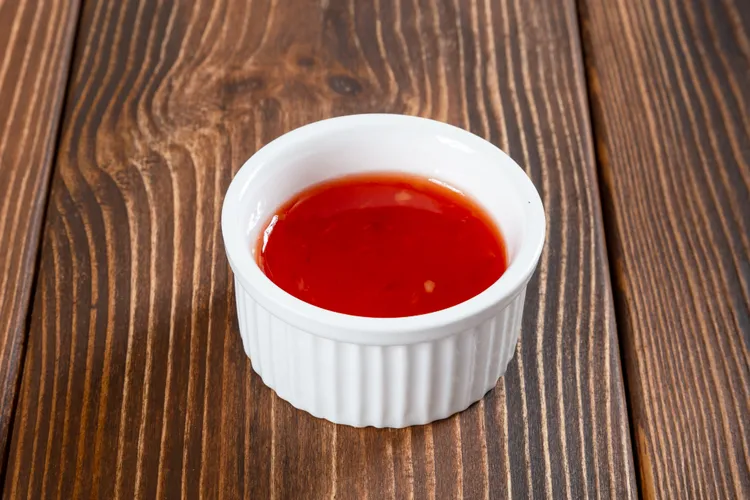
Chamoy is one of those condiments that provokes an immediate reaction the first time you taste it. The flavour is difficult to place - it is sour like vinegar, sweet like fruit, spicy like hot sauce, and has a fermented depth that keeps you tasting. It is also extremely cheap, very widely used in Mexican street food culture, and almost entirely unknown outside of Latin American communities in most of the UK. That is starting to change, and for good reason.
What Chamoy Actually Is
Traditional chamoy is made from pickled or dried fruit (most commonly apricots, plums, or tamarind), chilli, lime, and salt, processed into a thick sauce or paste. The fruit is either fermented or dried and reconstituted, which provides the sweet-sour-funky base. The chilli adds heat. The lime adds brightness. The salt ties it together.
Commercial chamoy (the most widely available format) often shortcuts the fermentation by using citric acid and artificial flavours, which produces a version that is tangy and sweet but lacks the depth of a well-made traditional chamoy. The difference between a quality chamoy and a cheap one is similar to the difference between good fish sauce and inferior fish sauce - the complexity is in the fermentation, and you can taste when it is absent.
The Flavour Profile
- Tang: Primarily from the fermented or pickled fruit base and the lime. More complex than straight vinegar tang.
- Sweetness: From the natural fruit sugars and added sugar in commercial versions. Lower in homemade versions.
- Funk: From the fermented fruit base. Varies significantly by brand and recipe - this is what separates swangy chamoy from simple sweet chilli sauce.
- Heat: Present but usually background in commercial chamoy - the fruit flavour leads, the heat follows.
Macros per Tablespoon (~20ml commercial chamoy)
- Calories: 15-20 kcal
- Carbs: 4-5g
- Protein: 0g
- Fat: 0g
- Sodium: ~180-250mg
Traditional Uses in Mexican Food Culture
- Fruit: The most common application - fresh mango, watermelon, cucumber, or jicama sliced and drizzled with chamoy, then dusted with Tajin (chilli-lime-salt powder). This is Mexican street food at its most swangy.
- Mangonada: A chamoy-and-mango drink (mango sorbet or smoothie, chamoy swirled through, Tajin on the rim). One of the most purely swangy drinks in existence - see the swangy drinks guide for a simplified version.
- Elotes: Mexican grilled corn on the cob with mayo, cheese, chilli, lime, and chamoy. The chamoy adds the sour-sweet layer that makes elotes much more complex than it looks.
- Candy: Chamoy-covered tamarind candies, gummies, and lollipops are a massive Mexican confectionery category. The sweet-sour-spicy combination is particularly compelling to children, which explains the cultural centrality of chamoy in Mexican food from early childhood onward.
Beyond Mexican Food: Swangy Applications
Chamoy translates remarkably well outside its traditional context:
- As a hot sauce upgrade: Mix 1 tbsp chamoy with 1 tbsp of any standard hot sauce. The result is more complex, more swangy, and more interesting than either alone.
- Marinade for chicken wings: 3 tbsp chamoy + 1 tbsp soy sauce + juice of 1 lime + 1 garlic clove. Marinate wings for 2+ hours. The fruit acid tenderises; the fermented funk flavours the meat deeply. Try this approach with pan-roasted chicken thighs for a quicker weeknight version.
- Salad dressing base: 2 tbsp chamoy + 1 tbsp lime juice + 1 tbsp olive oil whisked together. Works on any bitter leaf salad or roasted vegetable dish.
- Glaze for grilled fish: Brush on in the last 3-4 minutes of cooking. The fruit sugars caramelise; the acid cuts through the richness of oily fish.
Where to Buy Chamoy in the UK
- Latin American grocery stores: The best option for quality chamoy. Miguelito and Lucas brands are widely available and decent commercial versions.
- Online: Amazon and specialist food retailers stock Tajin chamoy sauce (~£4-6 per bottle). Also available from Mexican food importers.
- Homemade alternative: Blend 3 tbsp tamarind paste + 1 tbsp apricot jam + 1 tbsp lime juice + 1 tsp chilli powder + 1/2 tsp salt. Not identical to chamoy but captures the flavour logic and costs almost nothing to make.
For the full swangy flavour context and how chamoy fits alongside tamarind, gochujang, and pickled fruit, see the Complete Guide to the Swangy Flavour Movement.
Latest