Cooking Oils Ranked: Which Fats to Use at What Temperature
Not all cooking oils are equal at high heat. Choosing the wrong oil doesn't just affect flavour - it affects what you're actually consuming.
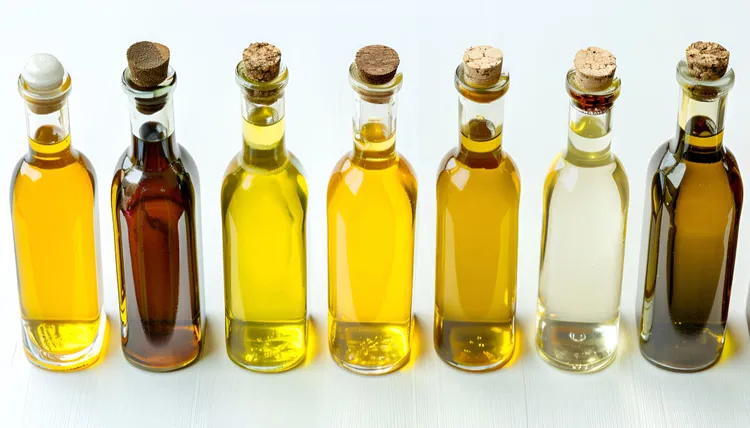
An oil's smoke point is the temperature at which it starts to visibly smoke and break down. Past that point, the fat oxidises, producing free radicals and potentially harmful compounds including aldehydes. The stability of an oil at heat is determined by its fatty acid composition - saturated fats are the most heat-stable, polyunsaturated fats the least.
Why Smoke Point Isn't the Whole Story
Smoke point matters, but oxidative stability matters more. Some oils with moderate smoke points (like butter) are relatively stable due to their saturated fat content. Some with high smoke points (like unrefined sunflower oil) are high in polyunsaturated fats that degrade quickly even before smoking. The two factors to look at together are smoke point and degree of saturation.
Oils Ranked for High-Heat Cooking (searing, frying, roasting at 200°C+)
- Avocado oil (refined): Smoke point ~270°C. High in monounsaturated fat, very heat-stable. Best all-purpose high-heat oil. Neutral flavour. Around 120 kcal per tablespoon.
- Ghee: Smoke point ~250°C. The milk solids have been removed, making it more stable than butter. High in saturated fat. Excellent for searing meat and Indian-style cooking. ~120 kcal per tablespoon.
- Refined coconut oil: Smoke point ~230°C. High saturated fat content makes it very stable. Neutral flavour in refined form. ~120 kcal per tablespoon. Best used occasionally rather than as a primary fat.
- Butter: Smoke point ~175°C. Lower than the options above due to milk solids, but more stable than most seed oils. Works for medium-high heat. Exceptional flavour. ~100 kcal per tablespoon.
- Lard / tallow: Smoke point ~190°C. Mostly saturated and monounsaturated, very stable. Underused. ~115 kcal per tablespoon.
Oils for Medium Heat (sauteing, gentle frying, eggs)
- Extra virgin olive oil: Smoke point ~190°C. Polyphenol content makes it more oxidation-resistant than smoke point alone suggests. Fine for most home cooking. ~120 kcal per tablespoon.
- Light/refined olive oil: Smoke point ~240°C. Higher smoke point than EVOO, less flavour, still monounsaturated-dominant. Good compromise for high-heat with olive oil preference.
Oils for Cold Use Only (dressings, drizzling, finishing)
- Extra virgin olive oil: Better raw than cooked - polyphenols and flavour compounds are best preserved cold. Use generously on salads and finished dishes.
- Flaxseed oil: Very high ALA omega-3 (57%), but oxidises rapidly. Never heat it. Add to smoothies or drizzle on food after cooking.
- Walnut oil: Good omega-3 content, delicate flavour. Cold use only.
Oils to Limit
- Sunflower, corn, soybean, and vegetable oils: High in omega-6 linoleic acid, low oxidative stability at heat despite often-high smoke points. Common in processed food and restaurant frying. These fats are the primary driver of excess omega-6 in most diets.
Practical Summary
Keep three oils in the kitchen and that covers most situations: avocado oil or refined olive oil for high heat, extra virgin olive oil for everything cold, and butter for flavour-dependent medium-heat cooking. The pan-fried T-bone steak with butter and olive oil on CookThisMuch is a good example of using both together - the olive oil raises the effective smoke point while the butter provides flavour.
Meal Prep Tips
For batch-cooking, avocado oil is worth the slightly higher cost - it handles oven temperatures up to 220°C without degrading, making it ideal for roasting large quantities of protein or vegetables. Store oils away from heat and light; polyunsaturated oils like flaxseed should be refrigerated. For a broader look at how cooking fat fits into your total fat intake, see the Fat Debate: A Balanced, Practical Guide.
Latest