Trans Fats: What They Are and Where They're Still Hiding
Artificial trans fats were largely banned by 2020. But they haven't fully disappeared - and understanding why requires knowing how food labelling works.
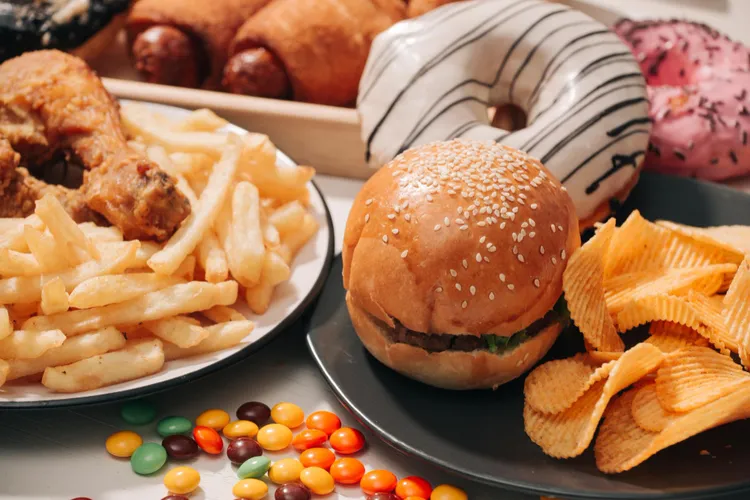
Trans fats are unsaturated fats with a specific molecular geometry - the hydrogen atoms sit on opposite sides of the carbon double bond rather than the same side (cis). This geometry makes them behave more like saturated fats in the body, but with worse metabolic effects: they raise LDL cholesterol, lower HDL cholesterol, and promote inflammation simultaneously. No other dietary fat does all three.
Artificial vs Natural Trans Fats
There are two types, and they are not equivalent:
Artificial trans fats are created through partial hydrogenation - a process that adds hydrogen to liquid vegetable oil to make it solid and shelf-stable. Partially hydrogenated oils (PHOs) were widely used in baked goods, frying fats, margarines, and processed foods from the 1950s through the 2010s. The scientific evidence against them is unambiguous: even small intakes significantly increase cardiovascular risk.
Natural trans fats occur in small amounts in ruminant animals - dairy and beef contain vaccenic acid and conjugated linoleic acid (CLA), both of which have a trans configuration. These behave differently from artificial trans fats and do not show the same harmful effects. CLA may have neutral or mildly positive associations with health outcomes. When a food label says "contains trans fat" due to the dairy or beef content, this is categorically different from partially hydrogenated oil.
The Regulatory History
The US FDA classified PHOs as not generally recognized as safe (GRAS) in 2015 and mandated their removal by 2018, with a final compliance deadline in 2020. The European Union implemented similar bans, capping artificial trans fats in food at 2g per 100g of fat by 2021. Many countries followed suit.
Despite this, trans fats haven't completely disappeared.
Where They're Still Hiding
The 0.5g rounding loophole: In the US, foods containing less than 0.5g trans fat per serving can legally be labelled "0g trans fat." A product with 0.4g per serving eaten in multiple servings delivers meaningful amounts while appearing trans-fat-free on the label. The workaround: check the ingredients list for "partially hydrogenated" - if it appears, trans fat is present regardless of what the label says.
Products manufactured before deadlines: Some products with long shelf lives - certain crackers, cookies, and shelf-stable snacks - were manufactured before final compliance dates and may still be in circulation.
Foods imported from countries with weaker regulation: Some imported baked goods and snacks from countries without trans fat bans still use PHOs.
Restaurant frying: Industrial frying operations have moved largely away from PHOs, but not universally - particularly in smaller or independent operations.
How to Check
- Read the ingredients list, not just the nutrition facts panel
- Look for "partially hydrogenated" in any form - "partially hydrogenated soybean oil", "partially hydrogenated palm oil" etc.
- "Hydrogenated" (without "partially") is fully saturated and contains no trans fat - fine from a trans fat perspective
- Foods with very short ingredient lists and whole-food components don't contain PHOs
Practical Summary
Eating mostly whole foods and cooking from scratch essentially eliminates artificial trans fat exposure. The risk is primarily in ultra-processed snacks and commercially baked goods, particularly those produced outside well-regulated markets. For the full context on how trans fat compares to other fat types, the Fat Debate: A Balanced, Practical Guide covers all four fat categories.
Meal Prep Tips
The most reliable way to avoid trans fats is to cook with known ingredients. Egg, spinach, and bacon muffins use straightforward ingredients with no processed fats - batch-cook a dozen on Sunday for a full week of grab-and-go breakfasts with zero trans fat risk. Reading labels well is covered in more detail in Reading Nutrition Labels for Fat: What the Numbers Mean.
Latest