Is Butter Bad? A Macro-Honest Look at Dairy Fat
Butter spent four decades as a dietary villain. The case against it was never as strong as the headlines suggested - and the case for it is more interesting than the rehabilitation narrative implies.
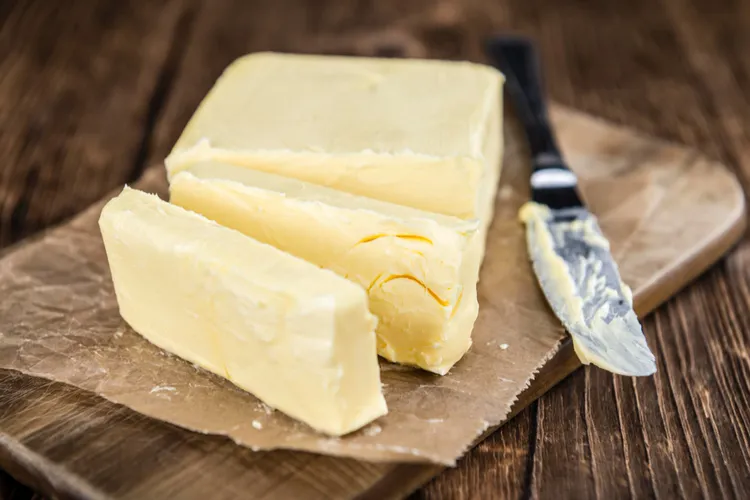
Butter is almost entirely fat: around 80% fat, 16% water, 2-4% milk solids. One tablespoon (14g) delivers 100 calories and 7g saturated fat - a meaningful chunk of a 22g daily saturated fat target. That's the number you need if you're going to make any informed decision about how much to use.
The Fatty Acid Profile
Butter fat is not monolithic. It contains over 400 different fatty acids in small proportions. The main ones by volume:
- Saturated fat: ~63% - predominantly palmitic, stearic, and myristic acids
- Monounsaturated fat: ~26% - primarily oleic acid, the same as in olive oil
- Polyunsaturated fat: ~4%
- Trans fat: ~3-4% - this is naturally occurring vaccenic acid, which behaves differently from artificial trans fats and may have neutral or positive effects
- Butyrate: A short-chain fatty acid that feeds gut bacteria and has anti-inflammatory properties in the colon
Grass-fed butter - from cows on pasture rather than grain - has a higher proportion of CLA (conjugated linoleic acid) and omega-3s, and more vitamin K2. The difference is real but not dramatic for most metrics.
Butter vs Margarine: A Brief History
Margarine replaced butter in many households from the 1970s onward, driven by guidelines to reduce saturated fat. The early margarines used hydrogenation to solidify vegetable oil - a process that created artificial trans fats, which are genuinely harmful in a way butter fat is not. That substitution likely caused net harm. Modern margarines have largely eliminated artificial trans fats, but the legacy of this error is part of why public trust in dietary guidelines eroded.
Butter vs Olive Oil
The most frequent question is whether to cook with butter or olive oil. The honest answer: for cold use and finishing, olive oil is clearly better (higher polyphenol content, better fatty acid profile for cardiovascular health). For medium-heat cooking where flavour matters - eggs, pan sauces, finishing vegetables - butter is a reasonable choice. The quantity used is what matters most.
Using a teaspoon of butter to cook two eggs adds 33 calories and 2.3g saturated fat. That's not a meaningful dietary problem. Using a tablespoon of butter per day across multiple uses is still within a reasonable range for most people. The issue is when butter is added invisibly and abundantly - commercial cooking in particular uses it in quantities most people don't account for.
Ghee: The Clarified Version
Ghee is butter with the milk solids and water removed. This raises the smoke point from ~175°C to ~250°C, making it more suitable for high-heat cooking. It has a similar calorie count (~120 kcal per tablespoon) and a slightly higher saturated fat content. The removal of milk solids also makes it suitable for people with lactose intolerance or dairy sensitivity.
Practical Guidance
- Use butter where its flavour genuinely improves the dish - eggs, finishing sauces, toast
- Use olive oil as the default cooking fat where flavour is neutral
- Measure rather than pour freely - a tablespoon is 100 calories and it's easy to use two without noticing
- Grass-fed butter is a marginal upgrade, not a necessity
- No need to fear it; no reason to use it with abandon
Meal Prep Tips
Butter is most calorie-efficient as a flavour enhancer rather than a cooking medium. A small knob of butter stirred into cooked eggs or vegetables at the end adds richness at lower quantity than using it as the frying fat from the start. Tomato scrambled eggs use just half a tablespoon of butter for the whole recipe - enough for flavour without excessive saturated fat. For the full context on how butter fits into total fat intake, see the Fat Debate: A Balanced, Practical Guide.
Latest