Fat on Keto: How Much You Need and Where to Get It
Keto requires a significant shift in where your calories come from. Getting the fat intake right - in grams, not just percentages - is where most people either succeed or quietly fall short.
A standard ketogenic diet targets roughly 70-75% of calories from fat, 20-25% from protein, and 5-10% from carbohydrates. On a 1800-calorie intake, that's around 140-150g fat, 90-100g protein, and 22-45g net carbs per day. These aren't rules carved in stone, but they're a useful starting framework.
Fat Gram Targets by Calorie Level
- 1400 kcal: ~109-117g fat, ~70-78g protein, ~17-35g net carbs
- 1600 kcal: ~124-133g fat, ~80-89g protein, ~20-40g net carbs
- 1800 kcal: ~140-150g fat, ~90-100g protein, ~22-45g net carbs
- 2000 kcal: ~156-167g fat, ~100-111g protein, ~25-50g net carbs
- 2200 kcal: ~171-183g fat, ~110-122g protein, ~27-55g net carbs
Most people find 130-160g fat per day a reasonable working range at moderate calorie levels. Less than 100g fat while also restricting carbs typically means too little total energy, which can stall fat loss rather than accelerate it.
Best Fat Sources for Hitting Keto Targets
Cooking fats (high fat, zero carbs):
- Butter: 11g fat per tablespoon
- Ghee: 13g fat per tablespoon
- Olive oil: 14g fat per tablespoon
- Avocado oil: 14g fat per tablespoon
- Coconut oil: 14g fat per tablespoon
Whole food fats (fat plus protein):
- Fatty beef: 85g ribeye has ~22g fat, 26g protein
- Salmon fillet (150g): ~18g fat, 30g protein
- Chicken thigh with skin (200g cooked): ~18g fat, 28g protein
- Eggs (2 large): ~10g fat, 12g protein
- Bacon (3 rashers): ~14g fat, 10g protein
High-fat additions:
- Cheddar (30g): 9g fat, 7g protein
- Cream cheese (30g): 9g fat, 2g protein
- Half avocado: 15g fat, 2g protein
- Almonds (28g): 14g fat, 6g protein
- Sour cream (60g): 10g fat, 2g protein
Common Mistakes
Eating too little fat, too much protein: High protein intake on keto can stimulate gluconeogenesis (conversion of amino acids to glucose), which raises insulin and can impair ketosis. Fat should genuinely dominate the calorie distribution, not protein.
Relying on processed keto products: Keto bars, keto bread, and keto snacks tend to be high in omega-6 fats from seed oils. Real food sources - meat, fish, eggs, dairy, olive oil, avocado - give a better fatty acid profile.
Under-eating on days with higher activity: Keto can suppress appetite strongly, which is useful for weight loss but can lead to under-fuelling. If energy is low during workouts, total calories are likely too restricted rather than fat targets being wrong.
Keto Recipes That Hit Fat Targets
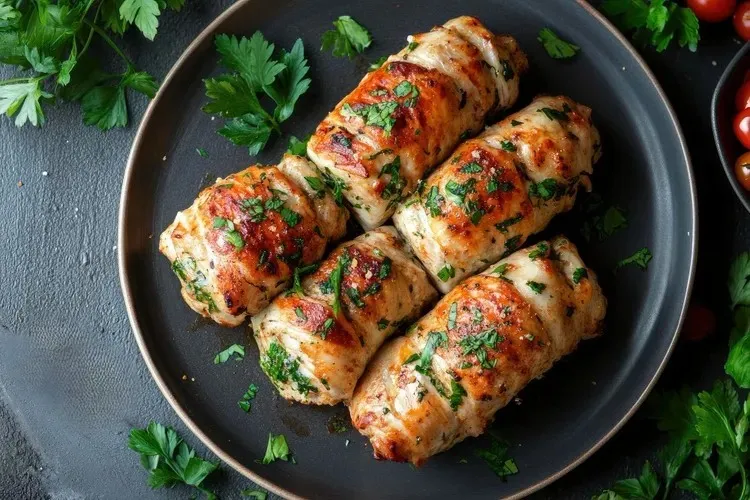
Keto Bacon and Chicken Kyiv delivers a strong fat-protein ratio using bacon, butter, and chicken thighs. Keto meatballs in creamy mustard-sour cream sauce hit fat targets through both the beef and the dairy-based sauce. For a lighter meal that still maintains fat dominance, Keto shrimp and peppers keeps carbs minimal while delivering good fat from oil and shrimp.
For a broader understanding of how fat functions in different dietary frameworks, the Fat Debate: A Balanced, Practical Guide covers what each fat type does in the body regardless of diet style.
Meal Prep Tips
Batch-cooking fatty proteins is the most efficient way to hit daily fat targets on keto without constant cooking. Make a tray of chicken thighs or meatballs on Sunday. Add fat at serving time via sauces, cheese, or olive oil to adjust the daily total up or down as needed. This gives more flexibility than cooking fat directly into every batch.
Latest