Avocado Nutrition: What You Actually Get Per Serving
Avocados are routinely described as a health food, but the calorie density surprises most people. The macros are good - once you know the numbers.
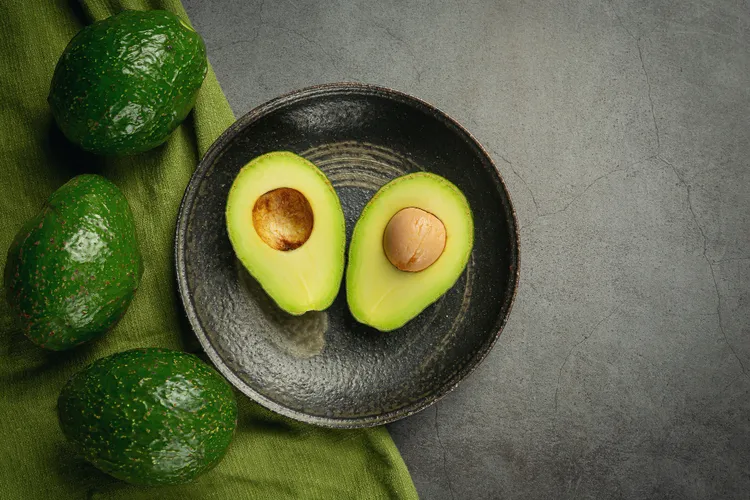
A whole medium avocado weighs around 200g and delivers approximately 320 calories, 29g fat, 17g carbohydrates (13g net carbs after fibre), and 4g protein. Half an avocado - the common serving size - is about 160 calories and 15g fat. These are estimates; actual values vary with size and ripeness.
The Fat Profile
Avocado fat is predominantly monounsaturated - around 67% of total fat. The main fatty acid is oleic acid, the same one that makes olive oil worth recommending. Saturated fat is low at around 14%, and polyunsaturated fat makes up the remaining 19%.
This is a genuinely good fat profile. Monounsaturated-dominant fats tend to lower LDL cholesterol without reducing HDL - a combination associated with reduced cardiovascular risk in observational studies. The fat in avocado also improves absorption of fat-soluble vitamins (A, D, E, K) from any vegetables eaten alongside it.
The Full Macro Breakdown
Half avocado (~100g, ~160 kcal):
- Calories: ~160 kcal
- Fat: 15g (10g monounsaturated, 2g saturated, 2g polyunsaturated)
- Carbohydrates: 9g total, 7g net (2g fibre subtracted)
- Protein: 2g
- Fibre: 7g - roughly 25% of a daily target
- Potassium: ~485mg - more per serving than a banana
Where Avocado Fits in a Calorie Budget
At 160 calories per half, avocado is calorie-dense relative to its volume. It's roughly the same calorie count as a large egg plus a teaspoon of olive oil. For people tracking carefully, it needs to be counted - the common habit of adding "a bit of avocado" to a salad or wrap without accounting for it can add 150-200 untracked calories to a meal.
At the same time, those 160 calories come with 7g fibre, 15g of good fat, and useful micronutrients including folate, potassium, and vitamins B5, B6, and E. The nutrient density is high relative to the calorie cost - compare to the same 160 calories from a standard snack bar, which typically provides almost none of the above.
Pairing for Best Effect
Avocado's fat content improves the nutritional return on any vegetables eaten with it. A study published in the Journal of Nutrition found that adding avocado to a salad increased absorption of carotenoids (including beta-carotene and lycopene) by up to 15 times compared to a fat-free dressing. Adding half an avocado to a vegetable-heavy meal is genuinely better than adding the same calories from a low-fat source, given the fat-soluble vitamin absorption benefit.
Recipe Ideas with Macros
For breakfast: Baked avocado eggs use a whole avocado halved as the vessel for baked eggs - approximately 350 kcal per serving with 18g fat and 15g protein from the egg and avocado combined. A compact, satisfying breakfast that holds hunger well.
For a lighter option: Avocado and egg toast on whole-wheat bread adds fibre and carbohydrate from the bread alongside the avocado fat. Total approximately 380 kcal per serving with a good fat-protein-fibre combination.
For a richer meal: Smoked salmon and avocado omelet pairs avocado with high omega-3 salmon and eggs for ~260 kcal and an excellent fatty acid profile.
Meal Prep Tips
Avocado doesn't batch-prep well on its own - it browns quickly once cut. Buy avocados 2-3 days before planned use and let them ripen at room temperature. Once ripe, store in the fridge to slow further ripening. Cut just before serving. Mashed avocado stores better with lemon juice and an airtight cover, good for 1-2 days. For where avocado fits in the bigger fat picture, the Fat Debate: A Balanced, Practical Guide covers monounsaturated fat as a category.
Latest