Eating Well Alone: How to Stop Defaulting to Toast
Breaking the solo cooking rut - simple upgrades to the default 'I can't be bothered' meals that take under 20 minutes and actually feel like food worth eating.
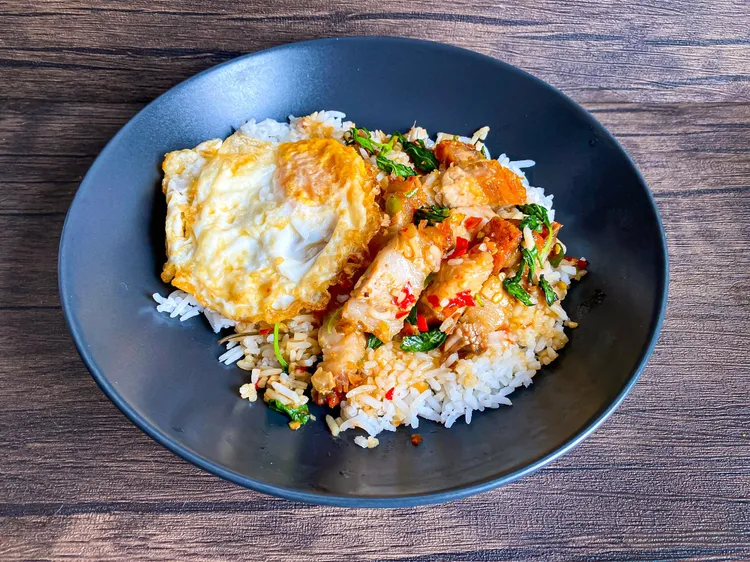
Toast isn't the problem. The problem is when toast becomes the answer every time you're tired, every time it's late, every time it's just you. The gap between toast and a real meal feels bigger on a Monday night than it actually is - most of the meals below are genuinely faster to make than waiting for delivery.
Why the Default Drops When It's Just You
Cooking for other people involves a social contract: you make an effort because someone is watching. Cooking for yourself has no such pressure. The bar drops, the defaults kick in, and the result is a diet that trends toward whatever requires the least decisions. Understanding this is half the solution - the other half is reducing the activation energy on better options.
The goal isn't ambitious cooking on every tired night. It's having a handful of 10-15 minute meals that feel like real food and don't require much thought. Once you have four or five of these reliably down, the toast default becomes a genuine choice rather than the path of least resistance.
Upgrade 1: Eggs on Everything
A fried or soft-scrambled egg on top of almost anything immediately becomes a more complete meal. Leftover rice with a fried egg: 5 minutes. Yesterday's roasted veg with two fried eggs: 7 minutes. Toast, but with a proper egg and good cheese: still 8 minutes, but actually satisfying. A cottage cheese and egg omelet is 310 kcal and 27g protein in under 10 minutes - substantially better than plain toast and not much harder.
Keeping eggs in the fridge is the highest-value solo kitchen habit. They're cheap, fast, high-protein, and rescue almost any situation.
Upgrade 2: The 10-Minute Fried Rice
If you have leftover rice in the fridge - and if you're batch cooking even slightly, you will - fried rice takes 10 minutes and uses whatever else needs eating. The method: heat a pan until hot, add oil, add the cold rice (cold rice fries better than warm), spread it and don't stir for 90 seconds so it gets some colour. Add any veg or protein. Make a well in the centre, crack in an egg, scramble it, then fold through the rice. Soy sauce, sesame oil, done.
This is the meal that makes pre-cooking a batch of rice on Sunday worthwhile. One 20-minute rice session becomes three fast dinners.
Upgrade 3: The Tin of Fish Dinner
Sardines, tuna, mackerel - tinned fish is underrated solo cook territory. It's shelf-stable (buy it when you're not hungry, have it when you are), cheap, and genuinely high in protein and omega-3s. A proper sardine toast is not sad food - it's sardines on good bread, a squeeze of lemon, some sliced tomato, a scattering of capers if you have them. Done in 5 minutes, ~380 kcal, 28g protein. The five-minute fried sardines with olives takes this up a notch without adding much effort.
Upgrade 4: The 15-Minute Soup
A real soup, not packet soup. Half a tin of tomatoes, a tin of chickpeas, a clove of garlic crushed in at the start, a splash of olive oil, salt, chilli flakes if you want them. Simmer 10 minutes, done. 250 kcal, filling, and it uses pantry staples that you should always have. Add a slice of bread and it's a complete meal.
The principle: if you keep tinned legumes and tomatoes in stock, you are always 15 minutes from a proper meal regardless of how empty the fridge looks.
Upgrade 5: The Emergency Pasta
When truly nothing else is happening: aglio e olio (garlic, olive oil, chilli, parmesan, pasta water) takes 15 minutes from boiling the kettle to eating, costs almost nothing, and tastes like food you'd pay for. The full technique is in the single-serving pasta guide - but the short version is: more olive oil than you think, more garlic than seems reasonable, and a proper splash of starchy pasta water to bring it together.
The Practical Strategy
Keep five things in your kitchen at all times: eggs, pasta, tinned tomatoes, tinned chickpeas or lentils, and something frozen (a protein portion or frozen veg). With those five things available, you can make a real meal in under 20 minutes on any night, from any starting point. When those run low, restock before they're empty.
For how these fast meals fit into a full week of solo cooking, see the 7 dinners for one rotation. For the complete solo cooking approach, see the cooking for one guide.
Latest