The Flexitarian Kitchen: 12 Pantry Staples That Replace Meat in Any Dish
The 12 ingredients that make flexitarian cooking reliable and fast - with storage guidance, cost notes, and the key dishes each one unlocks.
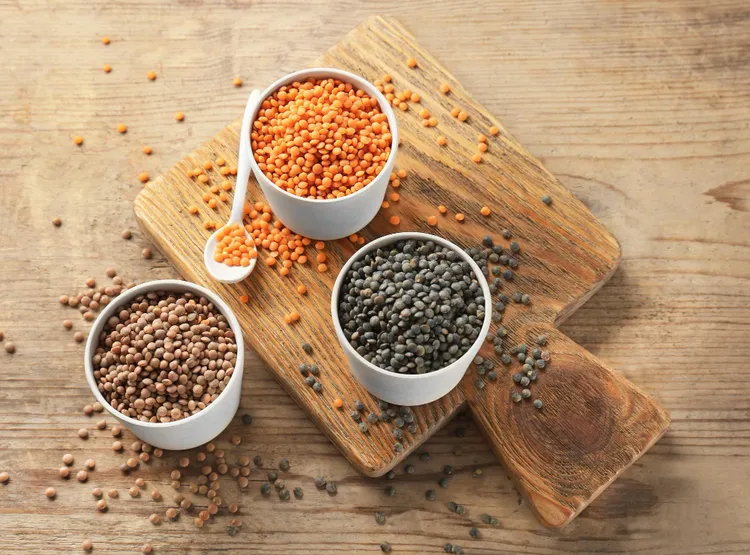
Flexitarian cooking fails without the right ingredients in the house. When the default is to reach for meat, having a stocked flexitarian pantry removes the decision point entirely - there is always a protein-rich meatless meal available with 20-30 minutes of cooking. These 12 staples form the backbone of the flexitarian kitchen. Together, they make every recipe in the complete flexitarian meal plan possible.
1. Dried Red Lentils
Cost: ~£1.50/500g
Shelf life: 1-2 years
Protein per serving: 18g per cooked cup
The single most versatile flexitarian ingredient. Red lentils dissolve during cooking, thickening any liquid they are cooked in. They require no soaking, cook in 20-25 minutes from dry, and adapt to any spice profile. Core uses: dal, soups, curry bases, bolognese (mixed with mince or solo), lentil shepherd's pie. Buy in 1kg bags for the best per-unit cost. The slow-cooker red lentil soup and the quick coconut curry lentils are the two fastest routes from dry lentils to dinner.
2. Green or Brown Lentils (Dried)
Cost: ~£1.50/500g
Shelf life: 1-2 years
Protein per serving: 18g per cooked cup
Unlike red lentils, green and brown lentils hold their shape after cooking - they do not dissolve. This makes them the better choice for dishes where you want individual lentils visible: grain bowls, salads, patties. The chickpea and lentil patties use green lentils for this reason. Cook from dried in 25-30 minutes.
3. Tinned Chickpeas
Cost: ~£0.70/400g tin
Shelf life: 3-5 years
Protein per serving: 15g per cup
The most versatile tinned legume. Roasted for crunch (a 25-minute oven transformation), simmered in sauces, mashed into hummus, added to soups, tossed with spices and served cold over grains. Always keep 3-4 tins stocked. They are also the base for the aquafaba (the brine water) which functions as a vegan egg white substitute in baking.
4. Tinned Black Beans
Cost: ~£0.75/400g tin
Shelf life: 3-5 years
Protein per serving: 15g per cup
The best bean for tacos, burritos, and Latin-inspired dishes. The zesty black bean soup turns a tin of black beans into dinner in under 30 minutes. Black beans also work in brownies and chocolate-based desserts as a flour substitute - not a flexitarian cooking tip, but notable.
5. Tinned Cannellini Beans
Cost: ~£0.70/400g tin
Shelf life: 3-5 years
Protein per serving: 17g per cup
The mildest, creamiest white bean. Blends invisibly into tomato sauces to thicken and add protein. The base for shakshuka's protein upgrade and for pasta e fagioli. Also works mashed on toast as a high-protein alternative to avocado or butter.
6. Firm Tofu
Cost: ~£1.50/400g block
Shelf life: Unopened, refrigerated: 3-5 months
Protein per serving: 16g per 150g serving
The primary meat substitute for stir-fries, grain bowls, and Asian-inspired dishes. Requires pressing before cooking. Full technique in the tofu and tempeh guide. Buy extra-firm for cooking; standard firm for scrambles.
7. Eggs
Cost: ~£1.80-£2.50/6 (free-range)
Shelf life: 3-5 weeks refrigerated
Protein per serving: 6g per egg / 18g for 3
The most versatile protein in the flexitarian kitchen and the fastest. Hard-boiled, scrambled, in omelets, poached in shakshuka, baked in frittatas, used to bind patties and muffins. The egg and cottage cheese omelet and the egg, spinach and bacon muffins are the two highest-protein uses. Buy a dozen per week as the baseline.
8. Greek Yogurt
Cost: ~£0.90-£1.50/500g (own brand vs branded)
Shelf life: 2-3 weeks refrigerated
Protein per serving: 17g per cup
Breakfast base, sauce substitute, marinade, bowl topping, taco condiment. Full-fat is more satiating and more versatile in cooking - use it as a substitute for sour cream, cream cheese, or heavy cream in sauces. The own-brand versions at major supermarkets have the same nutritional profile as branded Greek yogurt at half the price.
9. Cottage Cheese
Cost: ~£1.00-£1.50/300g
Shelf life: 1-2 weeks refrigerated (unopened)
Protein per serving: 14g per half cup
The most protein-dense ingredient per calorie on this list. Blend it smooth and it disappears into sauces, scrambles, and dressings. The spinach and cottage cheese omelet demonstrates how it elevates a standard egg dish substantially.
10. Rolled Oats
Cost: ~£1.00/1kg
Shelf life: 1-2 years
Protein per serving: 5g per half cup dry
Breakfast anchor and a surprisingly useful cooking ingredient. Oats bind patties and muffins, thicken smoothies, and form the base of overnight oats and porridge. Not a protein powerhouse compared to legumes, but a foundational ingredient that covers breakfast for two weeks at minimal cost.
11. Tahini
Cost: ~£2.50-£4.00/300g jar
Shelf life: 6-12 months opened
Protein per serving: 3g per 2 tbsp (also provides healthy fat and calcium)
The most important flavor component in the flexitarian pantry. Tahini dressing (2 tbsp tahini, 1 tbsp lemon juice, 1 tsp olive oil, water, salt) transforms any grain bowl, roasted vegetable dish, or legume plate from functional to genuinely good. Also the base for homemade hummus. Buy once, use all week.
12. Whole Grains (Farro, Barley, or Brown Rice)
Cost: ~£1.50-£2.50/500g (farro/barley); ~£1.00/1kg (brown rice)
Shelf life: 1-2 years
Protein per serving: 6-8g per cooked cup (farro/barley); 5g (brown rice)
The bowl base that makes a protein anchor into a complete meal. Cook a batch on Sunday and refrigerate for 5 days. Farro and barley have significantly better fiber and protein than brown rice - worth the slightly higher cost and longer cook time. The almond milk quinoa porridge demonstrates how whole grains stretch from savory dinners to a satisfying breakfast.
Building the Pantry Gradually
You do not need all 12 items immediately. The three to start with are dried red lentils, tinned chickpeas, and eggs. These three cover a week of protein-adequate meatless meals with minimal cooking skill required. Add tahini and Greek yogurt in week two. Introduce tofu and farro in week three once the legume cooking feels routine.
Latest