The Best Plant-Based Protein Swaps for Everyday Recipes
A direct substitution guide for replacing meat in everyday recipes - with protein comparisons, texture notes, and specific recipe applications for each swap.
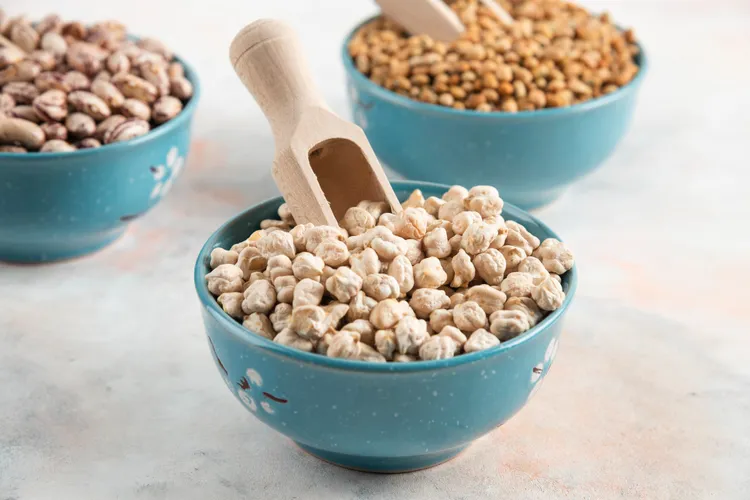
Most recipes that call for meat work perfectly well with a plant-based substitution, provided you understand what the meat was doing in the dish. In a bolognese, mince provides bulk and a savory, chewy texture that absorbs sauce. In a stir-fry, chicken provides a neutral protein that takes on the flavors of the sauce. In tacos, ground meat provides seasoned crumbles. Each of these functions has a plant-based equivalent that replicates the outcome, even if the ingredient looks nothing like what it replaced.
Lentils for Ground Mince
Best for: Bolognese, cottage pie, shepherd's pie, taco filling, stuffed peppers, meat sauce
Protein match: Green or brown lentils at 18g per cup vs. beef mince at ~23g per 100g cooked - similar enough per serving
Texture note: Cooked lentils soften and absorb liquid, producing a sauce that coats pasta well. They do not replicate the chewy texture of mince exactly but create a satisfying, filling result.
The most effective technique: cook lentils until just tender (about 20 minutes), add directly to the tomato sauce base, and simmer together for 10 more minutes. The lentils take on the flavor of the sauce. A 50:50 mix of lentils and mince is the easiest transition step for households that are not ready to go fully meatless in a bolognese.
Chickpeas for Chicken in Stews and Curries
Best for: Chicken tikka masala, casseroles, stews, one-pot dishes, grain bowls
Protein match: Chickpeas at 15g per cup; chicken breast at 26g per 100g cooked - chickpeas are lower, so use a larger portion or pair with another protein source
Texture note: Chickpeas hold their shape during cooking and absorb surrounding flavors. In a spiced sauce, they become indistinguishable from diced chicken in terms of eating experience for most people.
The chickpea and lentil patties use chickpeas as the primary protein anchor in a solid, formed format - demonstrating how far chickpeas can stretch from their canned baseline.
Tofu for Chicken or Fish in Stir-Fries
Best for: Stir-fries, grain bowls, noodle dishes, marinades, kebabs
Protein match: Firm tofu at 16g per 150g vs. chicken breast at ~28g per 100g - lower, so larger portions needed
Texture note: The critical variable is pressing. Unpressed tofu releases water when heated, steaming rather than frying and producing a rubbery result. Pressed tofu crisps up in a hot pan and takes on sauces aggressively. See the full technique in the tofu and tempeh guide.
Marinade the pressed tofu before cooking for at least 30 minutes - soy sauce, garlic, ginger, and a touch of sesame oil is the foundational formula. The tofu absorbs the flavors during pressing.
Tempeh for Bacon or Pancetta
Best for: Pasta dishes with guanciale/pancetta, BLTs, grain bowls, wraps, fried rice
Protein match: Tempeh at 19g per 100g - actually higher than most bacon
Texture note: Sliced thin (3-4mm) and pan-fried in olive oil with smoked paprika and a splash of soy sauce until crispy, tempeh produces strips with the smoky, salty, fatty profile that bacon provides in a dish. The flavor is not identical but serves the same culinary function.
White Beans for Chicken in Soups
Best for: Chicken noodle soup, minestrone, bean and vegetable soups, broths
Protein match: Cannellini beans at 17g per cup - competitive with diced chicken in a soup context
Texture note: Cannellini beans are the mildest-flavored bean, with a creamy texture that blends into broth-based soups without asserting a strong flavor. They do not provide the chewy meat texture of chicken, but in a vegetable soup context this is rarely missed.
Eggs for Meat in Fried Rice and Grain Bowls
Best for: Fried rice, grain bowls, breakfast plates, pasta (carbonara-style)
Protein match: 3 eggs at 18g protein, 210 kcal - an excellent protein anchor for a single meal
Texture note: Scrambled, fried, or soft-boiled eggs provide protein, fat, and textural contrast in any bowl-format meal. The yolk also functions as a sauce component when broken over warm rice or grains.
Mushrooms for Meat Texture
Best for: Burger patties (mixed with lentils or black beans), bolognese (supporting role), tacos, pasta
Protein match: Low (2-3g per cup) - mushrooms are not a protein replacement but a texture replacement
Texture note: Diced or minced mushrooms provide a chewy, umami-rich element that replicates the textural experience of meat more closely than any legume. They work best in combination with a high-protein ingredient like lentils rather than as a standalone swap.
The umami in mushrooms (from glutamates) also compensates for the depth that meat provides in slow-cooked dishes. Add a cup of finely diced mushrooms to a lentil bolognese and the overall flavor complexity increases significantly.
Matching the Protein, Not Just the Ingredient
The most important principle: make sure the replacement ingredient provides a similar amount of protein per serving, not just a similar culinary function. Mushrooms do not replace the protein in ground beef - they replace the texture. You still need lentils, eggs, or legumes to cover the protein gap.
For a full ranked guide to flexitarian protein sources with gram counts per serving, see flexitarian protein sources. For the complete meal plan that puts these swaps into practice across a full week, see the flexitarian meal plan.
Latest