Flexitarian Breakfast Ideas That Keep You Full
Eight protein-forward breakfast options built around eggs, legumes, whole grains, and dairy - the morning meals that make a reduced-meat diet feel genuinely sustainable rather than restrictive.
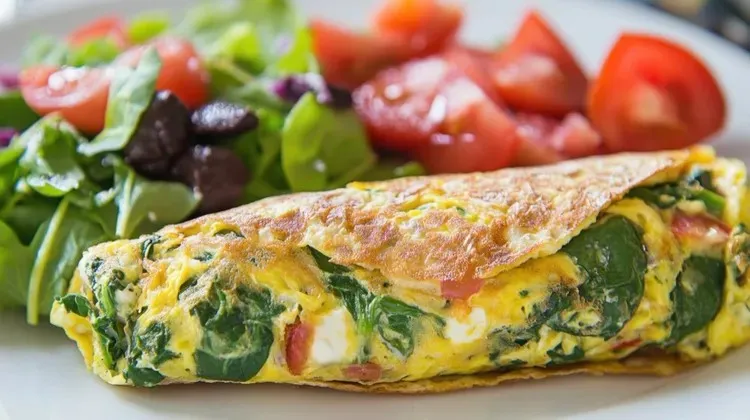
Breakfast is where most flexitarian plans fall apart. Without the bacon-and-egg shorthand, people default to toast with jam or cereal, drop their protein intake to near zero before 9am, and are hungry again by mid-morning. The fix is straightforward: build breakfast around eggs, cottage cheese, Greek yogurt, or legumes. These eight options do that reliably.
1. Egg and Cottage Cheese Omelet
The egg and cottage cheese omelet is the highest-protein breakfast on this list per calorie. Three eggs plus half a cup of cottage cheese delivers 28g of protein at around 320 kcal. The cottage cheese melts into the egg as it sets, creating a creamier texture than a plain omelet. Add spinach, sliced tomato, and a pinch of chili flakes.
- Protein: ~28g
- Calories: ~320 kcal
- Prep time: 8 minutes
2. Shakshuka
Eggs poached in spiced tomato sauce. Make the sauce (onion, garlic, red pepper, tinned tomatoes, cumin, smoked paprika) in about 15 minutes, create wells, crack in the eggs, cover and cook until the whites just set. Serve with whole-grain bread. Add a tin of white beans to the sauce for extra protein and fiber - they disappear into the background but add 8-10g of protein per serving.
- Protein: ~22-26g (without/with beans)
- Calories: ~380-450 kcal
- Prep time: 20 minutes
Shakshuka is worth making in a larger batch on Sunday - the sauce holds for 5 days in the fridge and you only need to crack eggs into it each morning.
3. Spinach, Tomato and Cottage Cheese Omelet
A variation on option 1 with more vegetables. The spinach, tomato and cottage cheese omelet uses the same protein base with a larger vegetable component. Good when you want a bigger, more substantial breakfast without increasing the calorie count much.
- Protein: ~26g
- Calories: ~340 kcal
4. Egg Muffins (Batch Cook)
The egg, spinach and bacon muffins are the best batch-cook breakfast option for a flexitarian week. Whisk 6-8 eggs with diced vegetables (spinach, peppers, onion), pour into a greased muffin tin, add any toppings. Bake at 180C for 20 minutes. Makes 12 muffins - refrigerate for 5 days, eat two each morning. Two muffins deliver about 14-16g of protein at under 200 kcal.
- Protein (2 muffins): ~15g
- Calories (2 muffins): ~190 kcal
- Batch prep time: 30 minutes on Sunday
5. Greek Yogurt Bowl
Full-fat Greek yogurt (1 cup) as the base, topped with a tablespoon of chia seeds, a tablespoon of hemp seeds, mixed berries, and a drizzle of honey. Assemble in 2 minutes. The yogurt delivers 17g of protein, the seeds add another 4-5g and significant fiber. This is the no-cook option for mornings with zero prep time.
- Protein: ~22g
- Calories: ~380 kcal
- Prep time: 2 minutes
6. Almond Milk Quinoa Porridge
The almond milk quinoa porridge is a good option for days when a savory breakfast does not appeal. Quinoa provides 8g of complete protein per cooked cup - notably more than oats - and the almond milk base keeps it dairy-free. Top with Greek yogurt for a protein boost, or fresh fruit for a lighter version.
- Protein: ~14-22g (without/with Greek yogurt topping)
- Calories: ~380-480 kcal
- Prep time: 15 minutes
7. White Bean Toast
Mash half a tin of cannellini beans with olive oil, lemon, salt, and garlic. Spread thickly on two slices of whole-grain sourdough. Top with sliced avocado, cherry tomatoes, and chili flakes. The beans add protein and fiber on top of the avocado, making this substantially more nutritious than standard avocado toast. ~14g protein at around 450 kcal.
- Protein: ~14g
- Calories: ~450 kcal
- Prep time: 5 minutes
8. Overnight Oats with Cottage Cheese
Stir half a cup of rolled oats with half a cup of cottage cheese, half a cup of milk, a tablespoon of chia seeds, and a teaspoon of vanilla. Refrigerate overnight. In the morning, top with berries and a drizzle of honey. The cottage cheese makes this substantially more protein-dense than standard overnight oats - about 22g protein at around 420 kcal.
- Protein: ~22g
- Calories: ~420 kcal
- Prep time: 5 minutes the night before
Which to Batch-Cook
Three of these are batch-friendly: egg muffins (12 at once on Sunday), shakshuka sauce (make the base, add eggs fresh each morning), and overnight oats (make 4-5 jars on Sunday). Between these three, weekday breakfasts can be handled in under 45 minutes of Sunday prep. For the full week plan, see the complete flexitarian meal plan.
Latest