Tofu and Tempeh for Beginners: How to Actually Make Them Taste Good
A no-nonsense guide to preparing tofu and tempeh correctly - the pressing and frying technique that changes the result entirely, plus four starter recipes for each.
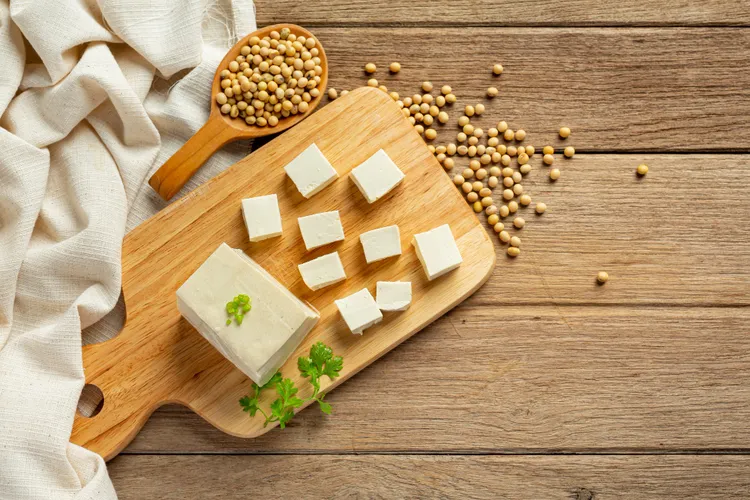
Most people's first experience of tofu is bad: pale, soft, tasteless cubes floating in something. That version of tofu is what you get when the water has not been removed and the cooking temperature is too low. Fix those two things and the result is entirely different - dense, golden, with a crisp exterior that takes on whatever flavor you put it in. Tempeh starts from a better baseline (it is already dense and nutty from fermentation) but still benefits from the right preparation technique.
Tofu: The Three Things That Matter
1. Buy the right type
Firm and extra-firm tofu are for cooking. Silken tofu is for blending into sauces, dressings, and desserts - it does not hold up to heat in the same way. For stir-fries, pan-frying, baking, and air-frying, always use firm or extra-firm. Check the packaging - some brands labeled 'firm' are closer to medium-firm and require longer pressing.
2. Press it properly
This is the single most important step. Tofu is stored in water and needs to lose most of that moisture before cooking. Cut the block in half lengthwise, wrap in a clean kitchen towel or several layers of paper towel, and place a heavy object on top (a cast-iron pan, a stack of books in a bag). Leave for 20-30 minutes. You will see a significant amount of water expelled. Alternatively, use a tofu press for a more consistent result in 15 minutes.
The pressed tofu will be noticeably denser, slightly smaller, and will hold its shape better in a pan. Skip this step and the water steams out during cooking, creating a barrier between the tofu surface and the heat - preventing the Maillard reaction (browning) that produces flavor.
3. Use enough heat and oil
Pan temperature is the second most common error. A moderately hot pan does not brown tofu - it steams it. Heat the pan to medium-high before adding oil, add the oil and let it heat for 30 seconds, then add the tofu. Once it is in the pan, leave it alone for 3-4 minutes. The exterior needs to form a crust before you can flip it without tearing. If it sticks when you try to flip, it is not ready.
Four Starter Tofu Recipes
1. Ginger-Soy Pan-Fried Tofu
Marinate pressed, cubed tofu (300g) in 3 tbsp soy sauce, 1 tbsp sesame oil, 1 tbsp rice vinegar, 2 tsp grated ginger, and 1 tsp honey for 30 minutes. Drain and pat dry. Pan-fry in a hot, oiled skillet until golden on two sides. Serve over brown rice with steamed broccoli and a drizzle of the remaining marinade. ~22g protein, ~420 kcal.
2. Crispy Baked Tofu
Press, cube, and toss 400g of extra-firm tofu with 2 tbsp olive oil, 2 tbsp soy sauce, 1 tbsp cornflour, smoked paprika, and garlic powder. Spread on a lined baking tray in a single layer. Bake at 200C for 25-30 minutes, turning once. The cornflour creates a significantly crispier exterior than oil alone. Use in grain bowls, salads, or wraps. ~18g protein per 150g serving, ~180 kcal.
3. Tofu Scramble
Crumble 400g of firm tofu (no pressing needed for scrambled) into a hot pan with olive oil. Add a small diced onion, half a red pepper, and a large handful of spinach. Season with turmeric (for color), nutritional yeast (for umami), salt, and black pepper. Cook 5-7 minutes, stirring occasionally, until excess water evaporates and the scramble begins to brown slightly. Serve on whole-grain toast. ~20g protein, ~280 kcal without toast.
4. Tofu Stir-Fry with Cashews
Press and cube 300g firm tofu. Pan-fry until golden. Set aside. In the same pan, stir-fry 2 cups of mixed vegetables (broccoli, snap peas, bell pepper) for 5 minutes. Return tofu to the pan with a handful of cashews and a sauce of 3 tbsp soy sauce, 1 tbsp hoisin sauce, 1 tsp sesame oil, and 1 tsp cornflour dissolved in 2 tbsp water. Toss and serve over rice. ~24g protein, ~510 kcal.
Tempeh: Different Rules
Tempeh does not need pressing - it is already dense. The two things that improve tempeh dramatically are steam-cooking before frying, and a strong marinade.
Steam first (optional but recommended)
Place tempeh slices in a steamer basket over boiling water for 10 minutes. This softens the slightly bitter edge that some people find in raw tempeh and opens the pores of the block for better marinade absorption. Skip this if you enjoy a stronger, earthier flavor.
Four Starter Tempeh Recipes
1. Smoky Tempeh Strips (Bacon Substitute)
Slice 200g of tempeh into thin strips (3-4mm). Marinate for 30 minutes in 3 tbsp soy sauce, 1 tbsp maple syrup, 1 tsp smoked paprika, half tsp garlic powder, and a drop of liquid smoke (optional). Pan-fry in olive oil until caramelized and slightly crispy on each side, about 3-4 minutes per side. Use in wraps, BLTs, pasta, or grain bowls. ~18g protein, ~240 kcal per 100g serving.
2. Tempeh Stir-Fry
Cube 200g of tempeh and marinate in ginger-soy sauce (as per the tofu recipe above). Pan-fry until golden. Stir-fry with vegetables and combine - tempeh holds up better than tofu in a stir-fry and does not need the same careful handling.
3. Tempeh Bolognese
Crumble tempeh (200g) into a pan with olive oil and cook until browned. Add to a standard bolognese base (onion, garlic, carrot, celery, tinned tomatoes, stock, herbs). The tempeh provides a meaty texture that is more convincing than lentils for texture-focused eaters. ~22g protein per serving.
4. Tempeh and Vegetable Bowl
Pan-fry cubed marinated tempeh until golden. Serve over farro with roasted vegetables, pickled cucumber, avocado, and a miso-tahini dressing (1 tbsp tahini, 1 tsp white miso, lemon juice, water to thin). A grain bowl that requires no recipe - assemble from whatever is prepped. ~24g protein, ~490 kcal.
Which to Try First
If you have never cooked either: start with tofu. It is more widely available, cheaper, and the ginger-soy pan-fry recipe above produces a result that converts most skeptics. Try tempeh in week two or three once the pressing and frying technique feels natural. For the full flexitarian framework that incorporates both, see the complete flexitarian meal plan.
Latest