Ghee Roasted Vegetables (Any Vegetable, One Method)
A versatile roasting template using ghee instead of butter or oil, with timing guidance and spice variations that work across almost any vegetable.
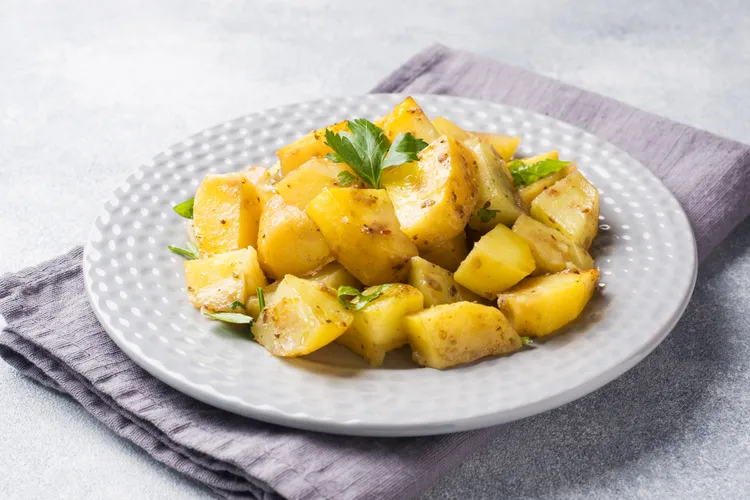
This is less a single recipe than a reliable template - the same basic method works for almost any vegetable, and ghee's flavor and high smoke point make it a genuinely better roasting fat than a lot of home cooks default to.
Ghee Roasted Vegetables
Prep time: 10 minutes | Cook time: 25 to 35 minutes (varies by vegetable) | Serves: 4
Ingredients
- 2 lbs vegetables of your choice (see notes below), cut into even pieces
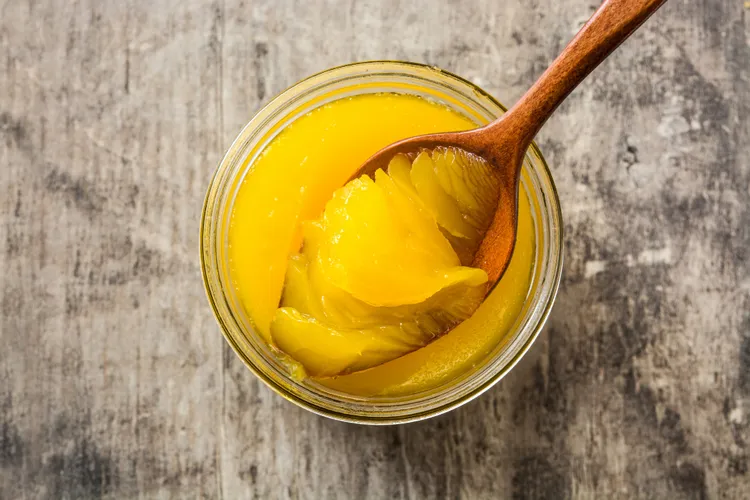
- 3 tbsp melted ghee
- 1 tsp salt, plus more to taste
- 1/2 tsp black pepper
- Optional spices: cumin, smoked paprika, garlic powder, or a curry blend
Instructions
- Preheat the oven to 425°F (220°C).
- Toss the vegetables with the melted ghee, salt, pepper, and any optional spices until evenly coated.
- Spread in a single layer on a baking sheet, leaving space between pieces so they roast rather than steam.
- Roast for 25 to 35 minutes, depending on the vegetable, flipping halfway through, until tender and caramelized at the edges.
- Season with additional salt to taste before serving.
Notes
Roasting times vary considerably by vegetable: root vegetables like potatoes and carrots take 30 to 35 minutes; softer vegetables like zucchini or bell pepper take closer to 20 to 25 minutes; hardy vegetables like broccoli and cauliflower fall somewhere in between. Group vegetables with similar cooking times on the same pan for even results, or roast different vegetables on separate pans if combining ones with very different timing.
Why Ghee Works So Well for Roasting
Roasting at 425°F or higher pushes plain butter well past its smoke point, causing it to burn and turn bitter rather than helping vegetables caramelize properly. Ghee's much higher smoke point means it holds up through the full roasting time without breaking down, while still contributing a richer, nuttier flavor than a neutral oil like canola or vegetable oil would.
Good Vegetables for This Method
- Potatoes and sweet potatoes
- Carrots and parsnips
- Broccoli and cauliflower
- Brussels sprouts
- Butternut squash and other winter squash
- Bell peppers and zucchini
Spice Variations
- Indian-inspired: Cumin, coriander, turmeric, and a pinch of cayenne turns this into a spiced side that pairs naturally with dal tadka or other South Asian mains.
- Simple herb version: Fresh or dried rosemary or thyme added in the last 10 minutes of roasting for a more classic, Western flavor profile.
- Sweet and savory: A drizzle of honey added in the last 10 minutes works especially well with root vegetables like carrots and sweet potatoes.
This is one of the most versatile ways to use ghee day-to-day, since it works across nearly any vegetable you already have on hand. For more, see the complete ghee guide.
Latest