What to Pair Ghee With: Spices, Dishes, and Flavor Combinations
A practical pairing guide covering what works naturally with ghee - spices, grains, vegetables, proteins, and even sweet applications.
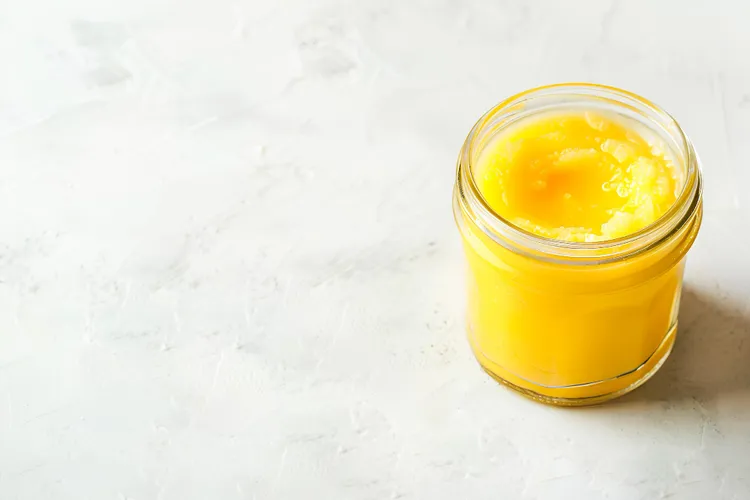
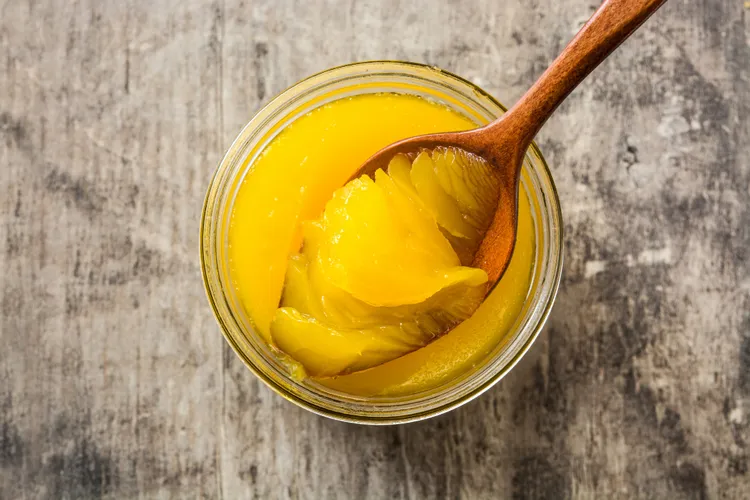
Ghee pairs especially well with warm spices and a specific set of dishes rooted in South Asian cooking, though its usefulness extends well beyond that into general high-heat cooking and even a few sweet applications. This guide covers what works, so you can start reaching for it beyond fixed recipes.
Spices
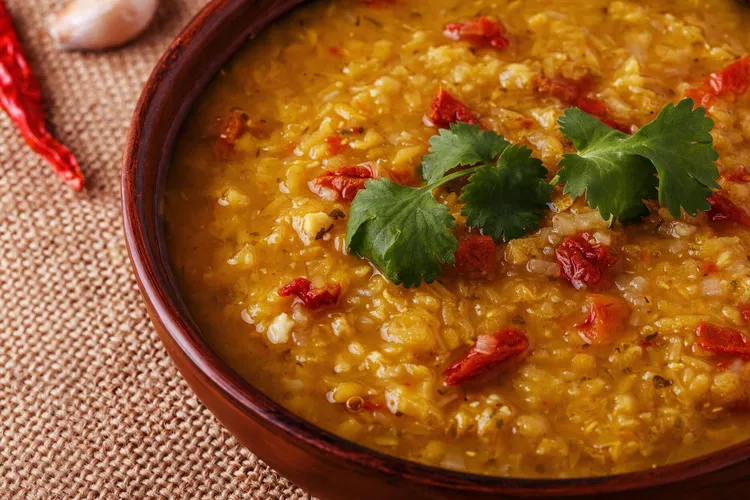
- Cumin and mustard seed: The classic tadka combination, as in our dal tadka recipe.
- Turmeric: A common partner in South Asian cooking, both for flavor and its traditional pairing with ghee for better absorption.
- Cardamom and cinnamon: Work well in sweeter or drink-based applications, like a spiced version of ghee coffee.
- Smoked paprika: A less traditional but reliable pairing in roasted and snack applications, like our ghee roasted nuts.
Grains and Legumes
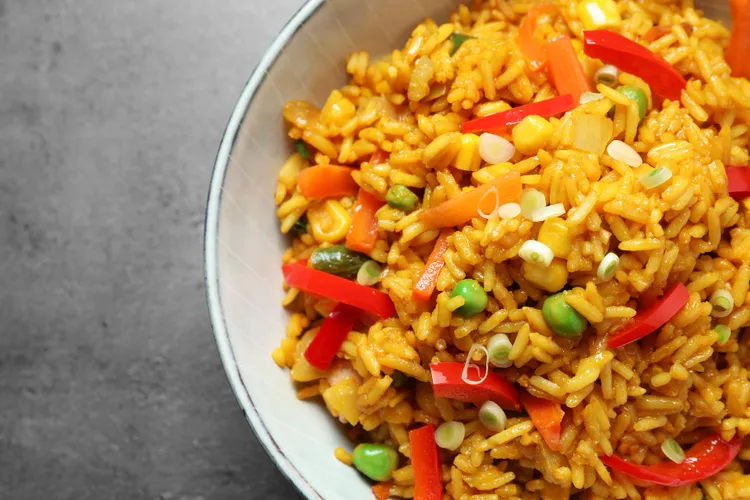
- Rice: One of the most classic pairings across South Asian cooking, whether stirred into plain rice or used in a dish like our ghee fried rice.
- Lentils: A defining pairing in dishes like dal, where ghee's flavor is central rather than incidental.
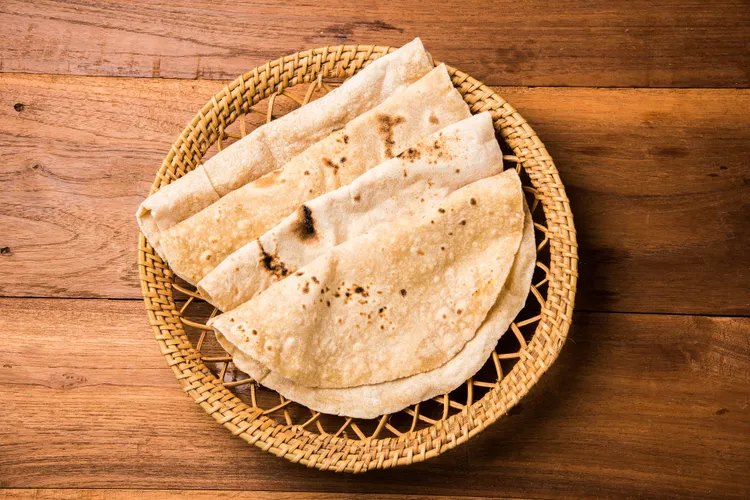
- Wheat flour and flatbreads: Works both in the dough and as a finishing brush, as in our ghee roti.
Vegetables
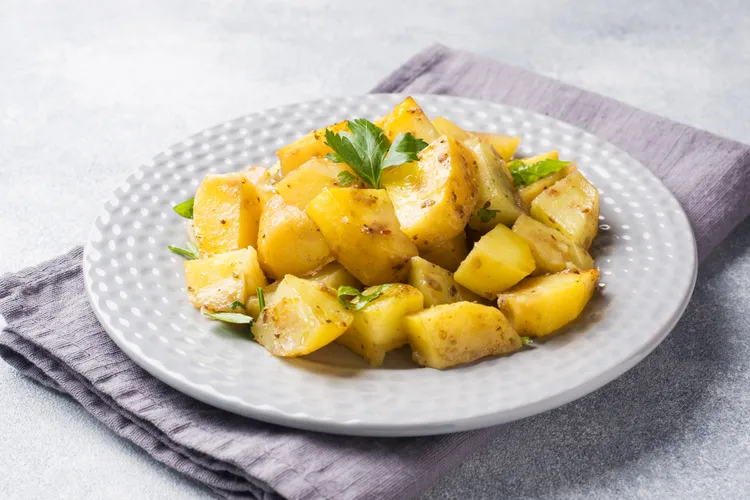
- Root vegetables: Potatoes, carrots, and squash all roast especially well in ghee, as in our roasted vegetables guide.
- Cruciferous vegetables: Cauliflower and broccoli hold up well to ghee's high heat and pick up its nutty flavor nicely when roasted.
Sweet Applications
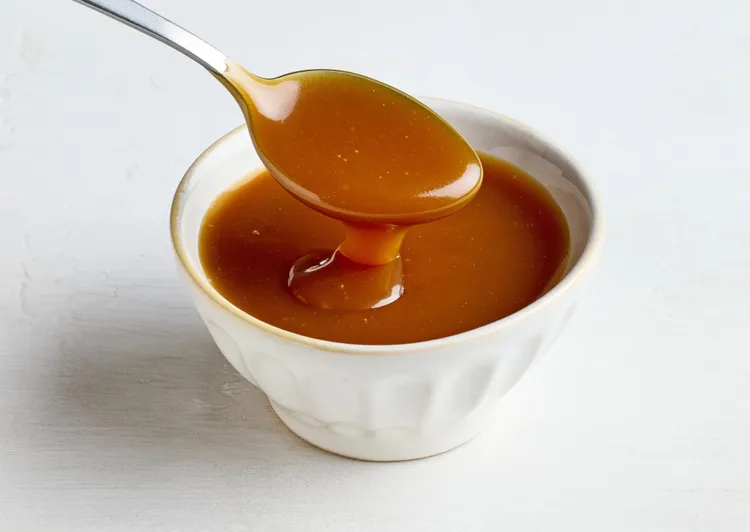
- Caramel and sugar-based sauces: Ghee's toasted flavor reinforces caramelization, as in our ghee caramel sauce.
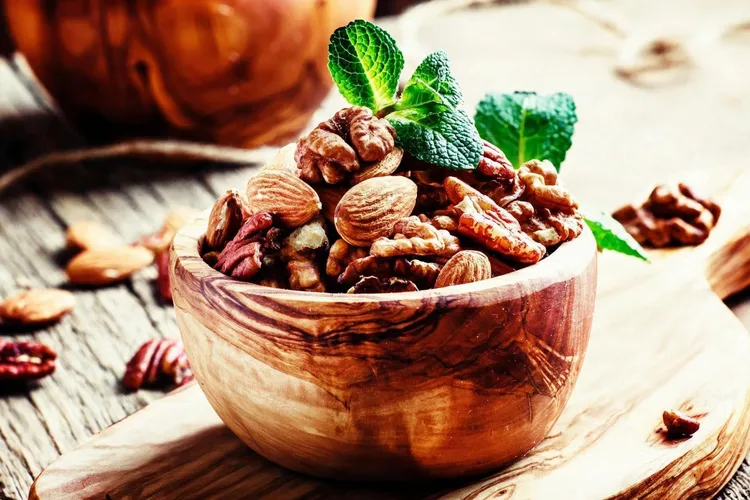
- Nuts: A natural, complementary pairing, as in our roasted nuts recipe.
- Coffee: An unexpected but genuinely functional pairing in drinks like ghee coffee.
Proteins
- Chicken and other roasted meats: Ghee's high smoke point makes it a solid choice for searing or roasting proteins where butter would otherwise burn.
- Eggs: Works well for frying or scrambling, bringing more flavor than a neutral oil.
What to Avoid Pairing With Ghee
Ghee's rich, distinct flavor can be too much in very delicate, subtle dishes where a neutral fat is actually the point - a light vinaigrette, for instance, or a dish meant to showcase a very mild, delicate ingredient without much competing flavor. It's also generally not the right choice for baked goods that depend specifically on butter's water content for structure, as covered in more detail in our substitution guide.
A Simple Way to Start Cooking With It
A reliable starting point: anywhere you'd normally reach for butter at high heat, or oil where you'd like more flavor, ghee is worth trying instead. Its versatility across savory South Asian cooking, general high-heat applications, and even a few sweet or drink-based uses makes it one of the more flexible single ingredients to keep stocked in a home kitchen.
For the full list of recipes and technique guides, head back to the complete ghee guide.
Latest