The Balkans Table: A Complete Guide to Balkan Food, Macros and Meal Ideas
Balkan cuisine is one of Europe's most satisfying and underrated food traditions - grilled meats, tangy dairy, slow-cooked beans, and herb-heavy salads built for real hunger. This guide covers the essential dishes, key ingredients, and how to bring Balkan cooking into your weekly rotation.
Stretch from Slovenia down to Greece and you pass through a dozen countries with distinct dialects, histories, and customs - but a surprisingly unified table. Meat grilled over charcoal. Sheep's milk cheese crumbled over everything. Peppers in some form at almost every meal. A relentless love of bread. Balkan cooking didn't evolve to be trendy; it evolved to be filling, affordable, and built around what the land and the season provided.
What Makes Balkan Cuisine Distinctive
The region sits at the crossroads of Ottoman, Austro-Hungarian, and Mediterranean culinary traditions, and all three left fingerprints on the food. Ottoman influence shows up in grilled minced meat, stuffed vegetables, and syrup-soaked pastry. The Austro-Hungarian legacy lives on in hearty bean soups and preserved meats. Mediterranean DNA is visible in the olive oil, the fresh vegetables, and the soured dairy used as freely as butter in the west.
What unifies these influences is a preference for simple preparation. A ripe tomato with good cheese and oil needs no recipe. A piece of lamb with garlic and rosemary grilled over wood is complete as it is. Balkan cooking is not fussy, and that restraint is part of its appeal to home cooks who want results without complexity.
The Core Ingredients
You don't need a specialty grocer to cook Balkan food. The pantry staples are almost universally available.
- Minced meat (pork and beef): The backbone of ćevapi, pljeskavica, and sarma. A 70/30 pork-beef blend is standard.
- White beans: Central to pasulj (bean soup), the region's most eaten weekday meal.
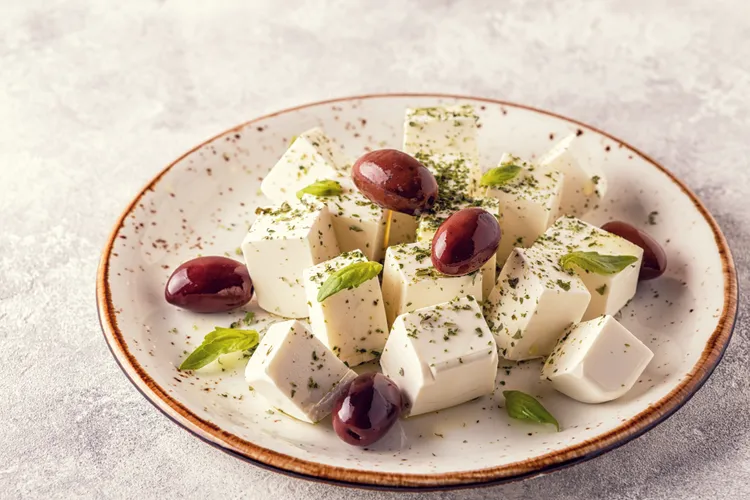
- Feta and white brined cheeses: Sirene in Bulgaria, bijeli sir in Serbia - mild, salty, and used in everything from salads to pastry fillings.
- Full-fat yogurt: Eaten at breakfast, stirred into soups, used as a dip and a sauce base. Bulgarian yogurt specifically has a distinct tang worth seeking out.
- Peppers: Fresh in salads, roasted into ajvar, dried and ground as paprika. The red pepper is the Balkans' defining vegetable.
- Cabbage: Fresh in salads, fermented as kiseli kupus (sauerkraut), used as the wrapper for sarma.
- Lamb: More common in the southern Balkans. Bosnia, Serbia, and North Macedonia all have lamb traditions worth knowing.
The Essential Dishes
These are the recipes you'll encounter first - the ones that define the cuisine for outsiders and anchor the diet of everyone who grew up eating it.
Ćevapi
Small, skinless grilled sausages made from minced pork, beef, or lamb. Served in a flatbread called lepinja with raw onion and kajmak. The single most iconic Balkan street food. For a full breakdown of what they are and how to make them, see our guide to what is ćevapi.
Pljeskavica
Serbia's answer to the smash burger - a wide, flat, heavily spiced beef patty, often stuffed with cheese or kajmak. Bigger than a burger, more seasoned than a meatball. Our pljeskavica guide covers the spice blend and stuffing options.
Sarma
Minced meat and rice rolled in fermented cabbage leaves, then slow-cooked in a tomatoey broth for hours. Winter food. Batch food. The kind of meal that improves every time you reheat it. Full recipe and macro breakdown in our sarma article.
Burek
Layered filo pastry filled with meat, cheese, or spinach, baked until shatteringly crisp. A breakfast staple across Bosnia, Serbia, and North Macedonia. Details on fillings and macros in our burek guide.
Shopska Salad
Diced tomatoes, cucumbers, peppers, and onion, topped with grated white cheese. The Balkan default side salad - fresh, sharp, and done in five minutes. Recipe and variations in our shopska salad article.
Pasulj
Serbian white bean soup, slow-cooked with smoked meat and vegetables. Under $2 per serving, 20g+ protein per bowl, freezes perfectly. Full recipe in our pasulj article.
Tarator
Bulgaria's cold yogurt-cucumber soup, eaten in summer. Yogurt, grated cucumber, garlic, dill, oil. Ready in under ten minutes. Surprisingly filling and genuinely good for you. See our tarator recipe for the full breakdown.
Ajvar
Roasted red pepper relish, made in autumn and jarred for winter. Goes on everything - meat, bread, eggs, cheese. Our ajvar guide covers how to make it from scratch and what to do with it.
Grilled Lamb
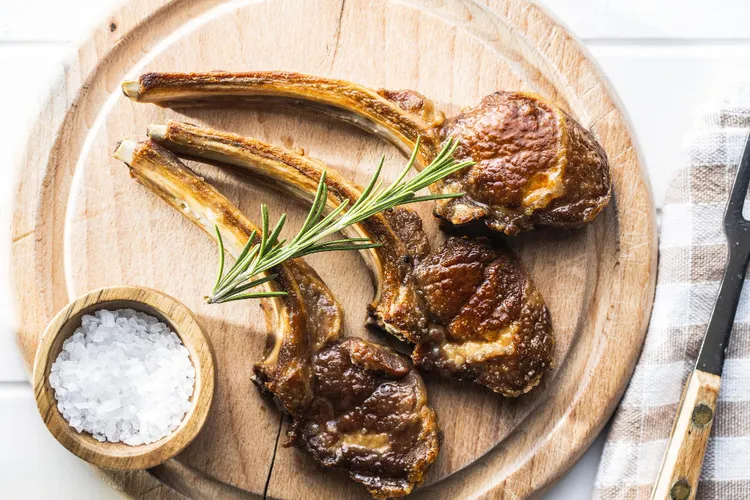
Simple herb-and-garlic marinated lamb chops, grilled hot and fast. One of the highest-protein, most flavour-efficient meals in Balkan cooking. Details in our Balkan lamb chops article.
Macro Snapshot of Balkan Cooking
Balkan food is not a diet cuisine, but it's not as heavy as it looks. A lot of the apparent richness comes from fat in dairy and meat - which means protein counts are high and carbohydrates are often moderate outside of the bread and pastry items.
- Ćevapi (5 pieces + lepinja): approx. 550 kcal, 38g protein, 42g carbs, 22g fat
- Shopska salad (200g serving): approx. 130 kcal, 7g protein, 10g carbs, 7g fat
- Sarma (2 rolls): approx. 380 kcal, 24g protein, 28g carbs, 18g fat
- Pasulj (300ml bowl): approx. 320 kcal, 21g protein, 38g carbs, 8g fat
- Tarator (200ml): approx. 120 kcal, 6g protein, 8g carbs, 7g fat
- Burek (1 slice, meat): approx. 420 kcal, 18g protein, 34g carbs, 24g fat
- Grilled lamb chops (2 chops): approx. 340 kcal, 32g protein, 0g carbs, 22g fat
All figures are estimates based on standard serving sizes and typical recipes. Actual macros vary with ingredient ratios and cooking fat used.
A Sample Week of Balkan Meals
For a complete 7-day meal plan built around these dishes with daily macro totals and shopping list, see our Balkan budget meal plan. Below is a condensed overview to show how these dishes fit together across a week.
Monday: Pasulj with crusty bread for dinner - batch-cook a full pot and refrigerate for three days.
Tuesday: Cabbage salad at lunch alongside leftover pasulj. Shopska salad with grilled chicken for dinner.
Wednesday: Tarator for lunch (10 minutes to make). Sarma for dinner - use the batch you prepped on Sunday.
Thursday: Burek at breakfast from the bakery or homemade the night before. Ćevapi with lepinja and onion for dinner.
Friday: Grilled lamb chops with shopska salad. This is the highest-protein dinner of the week at roughly 550 kcal and 38g protein.
Weekend: Pljeskavica on Saturday - serve with ajvar, sour cream, and flatbread. Sunday is a good day to make ajvar from scratch if peppers are in season, and to batch-cook a new pot of sarma or pasulj for the week ahead.
Dairy in Balkan Cooking
No other ingredient defines the Balkans table as much as soured, salted, or fermented dairy. Understanding how it's used changes how the food tastes.
Kajmak is the richest of the lot - a clotted cream scraped from slowly heated milk, salted and left to ferment slightly. It melts onto grilled meat and dissolves into bread. Our kajmak guide explains what it is, how much fat it contains, and how to use it at home.
Full-fat yogurt is the everyday dairy - stirred into cold soups like tarator, served alongside grilled meats as a cooling element, or eaten with honey for breakfast. Buy the thickest, least processed version you can find.
Brined white cheese (sirene, bijeli sir, or Greek feta as a stand-in) goes on everything. It's saltier and crumblier than feta from a supermarket container. If you can find Bulgarian or Serbian white cheese, use it.
Balkan Breakfasts
Breakfast in the Balkans is not a light meal. The classic spread is bread, white cheese, olives, a sliced tomato, and either eggs or cold cuts. Burek from the local bakery is the grab-and-go option. For a deeper look at what people actually eat in the morning across the region, see our Balkan breakfast guide.
For a quick egg option at home, a feta and spinach omelet is as close as you'll get to a Balkan-style breakfast without making burek from scratch.
Where to Start
If you're new to Balkan cooking, start with shopska salad and pasulj. Neither requires any unusual ingredients or technique, both are genuinely good, and they'll give you a feel for the cuisine's emphasis on simplicity and flavour over complexity.
From there, move to ćevapi - they take more effort but are deeply satisfying. Then ajvar, which is the condiment that ties everything together. By the time you've made those four things, you'll have a working Balkan kitchen.
Latest