Homemade Ghee: Making It, Storing It, and Cooking With It
A complete guide to making ghee at home - the technique, why it doesn't need refrigeration, and the recipes that put it to real use across savory and sweet cooking.
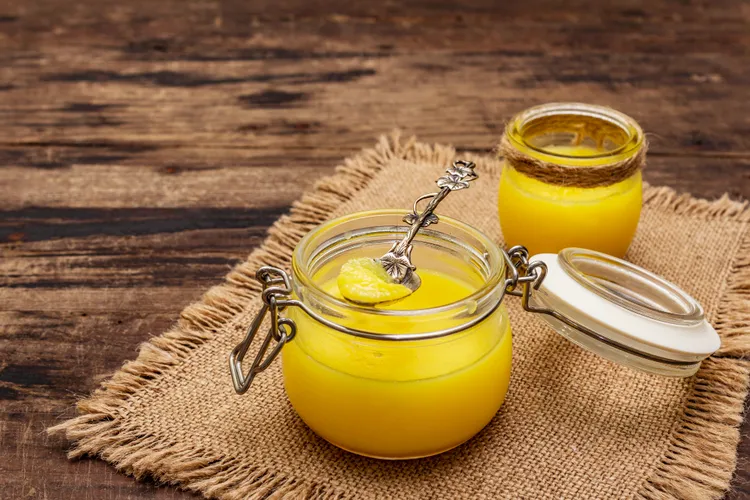
Ghee is one of the most useful things a home cook can make from a single, cheap ingredient - a block of butter and about twenty minutes turn into a shelf-stable, high-heat cooking fat with a deep, nutty flavor that plain butter simply doesn't have. It's also one of the easier kitchen projects to get right on the first try, despite sounding more technical than it actually is.
What Ghee Actually Is
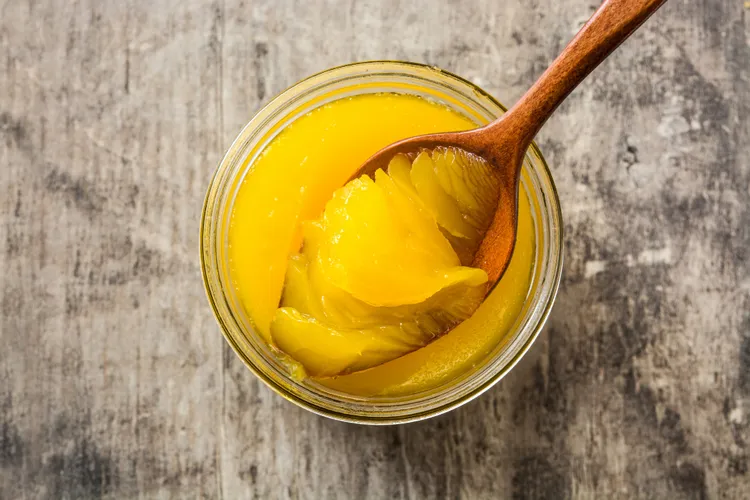
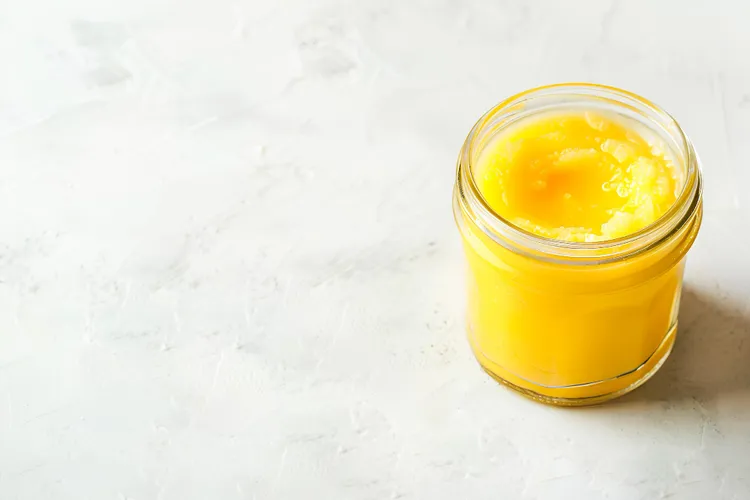
Ghee is clarified butter that's been cooked further than a standard clarification - the milk solids are allowed to toast in the remaining butterfat before being strained out, which is what gives ghee its distinctive nutty, slightly caramelized flavor and deeper golden color compared to plain clarified butter. That extra step is the entire difference, and it's also why ghee tastes noticeably different from butter rather than just being a technical variation of it.
If you've ever wondered exactly how ghee differs from clarified butter, or from butter itself, our comparison guide breaks down the distinction in more detail, including why the extra toasting step matters for both flavor and shelf life.
How to Make It
Making ghee at home is a simple, mostly hands-off process: melt butter over low heat, let the milk solids separate and settle, and continue cooking until those solids turn golden brown and toasty before straining them out. The whole process takes about 20 to 30 minutes for a standard batch, most of which is just letting the butter simmer gently while you keep an eye on it. Our step-by-step guide walks through the full process, including the visual and smell cues that tell you exactly when it's ready.
Why Ghee Doesn't Need Refrigeration
One of the more surprising things about ghee to a lot of home cooks is that it doesn't need to be refrigerated, unlike butter. Because the milk solids and water content are removed during the clarifying process, what's left is nearly pure butterfat, which is much more resistant to spoilage than butter itself. Properly made ghee stored in a clean, sealed container can sit at room temperature for months. Our storage guide covers exactly why this works and how to store ghee to get the longest shelf life out of a batch.
Cooking With Ghee
Ghee's biggest practical advantage over butter is its much higher smoke point, which means it can handle high-heat cooking - searing, frying, roasting - without burning the way butter does. Our explainer on ghee's smoke point covers the science behind why removing the milk solids makes such a big difference, and why that matters for how you actually cook with it.
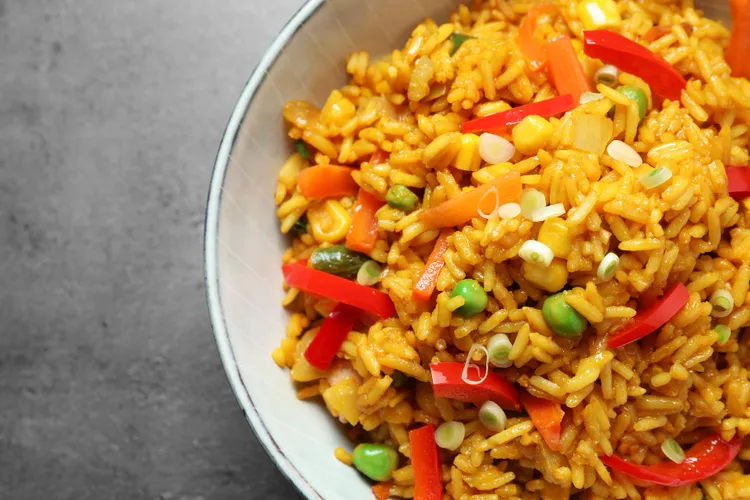
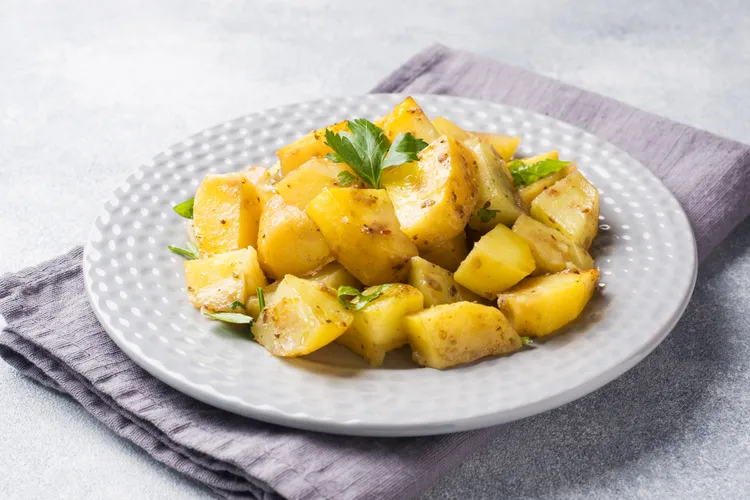
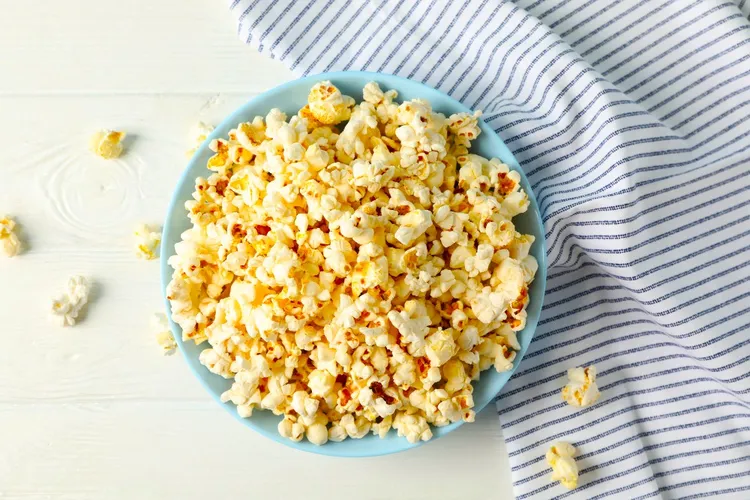
That high smoke point makes ghee an excellent everyday cooking fat. Ghee fried rice with vegetables is one of the simplest ways to see the difference for yourself - the same fried rice technique, but with a deeper, nuttier flavor than oil or butter would give. Ghee roasted vegetables works as a genuine template rather than a single recipe, applicable to almost any vegetable in the crisper drawer, and ghee popcorn takes a familiar snack and gives it a richer, more interesting flavor than plain butter or oil.
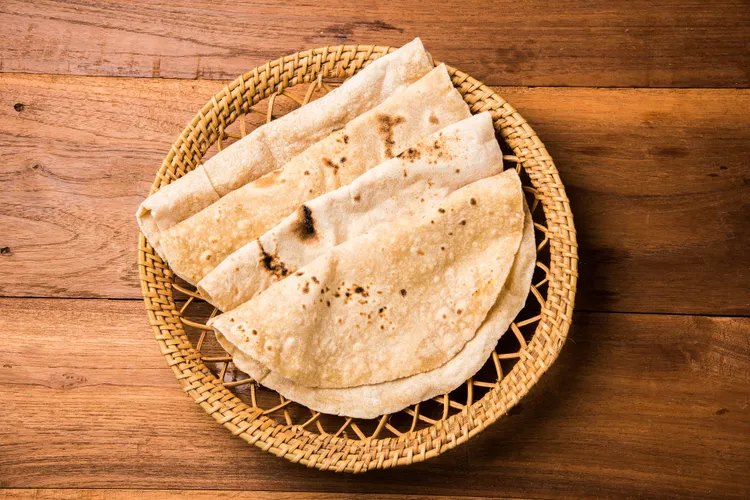
Ghee also has deep roots in South Asian cooking specifically, well beyond its usefulness as a general high-heat fat. Dal tadka, a simple spiced lentil dish, traditionally gets its final flourish from a spoonful of hot ghee poured over the top just before serving - a technique called tempering that blooms the flavor of whole spices directly into the fat. Ghee roti uses it in a completely different way, brushed onto warm flatbread for richness and a bit of shine, a small addition that makes a real difference to a simple, otherwise plain bread.
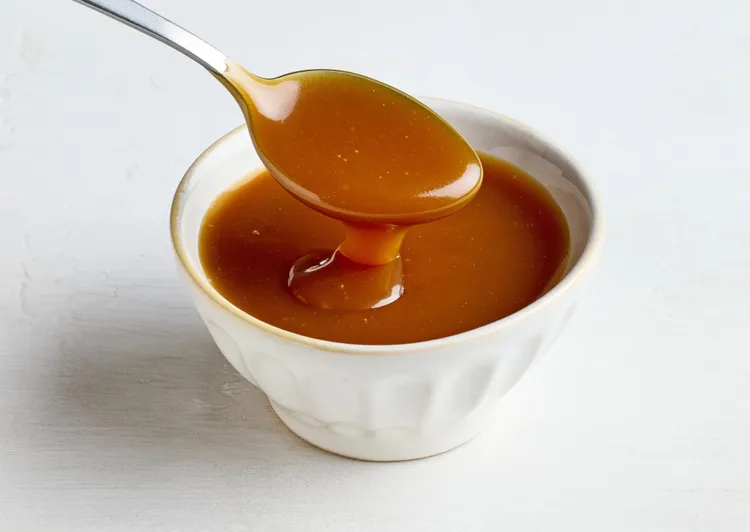
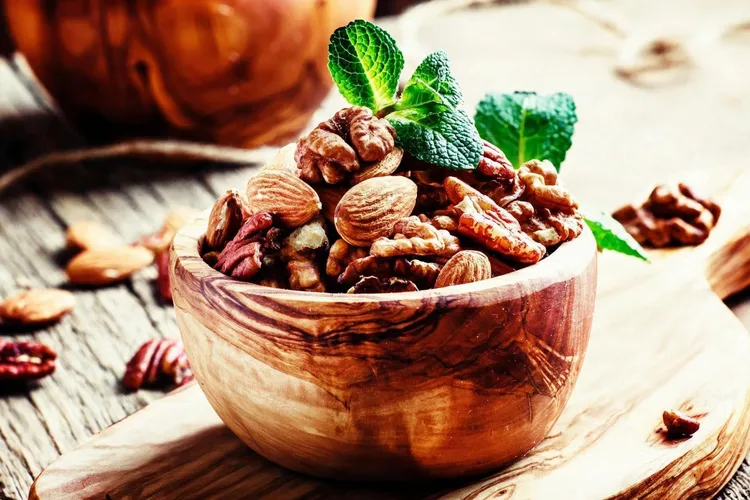
Ghee also shows up in some less traditional, more trend-driven applications worth knowing about. Ghee coffee is a variation on the bulletproof coffee trend, blending ghee into hot coffee for a creamy, satiating drink without dairy's lactose content. On the sweeter side, ghee caramel sauce takes advantage of ghee's naturally nutty, slightly toasted flavor to build a caramel with more complexity than one made from plain butter, and ghee roasted nuts is a simple, spiced snack that shows off the same nutty quality in a different form.
Substituting Ghee for Butter or Oil
Because ghee is essentially pure butterfat, it substitutes cleanly for butter in most savory cooking, and often for oil as well, particularly anywhere a recipe benefits from a richer, more flavorful fat. Our substitution guide covers the specifics of swapping ghee in for butter or oil, including where the swap works seamlessly and where butter's milk solids and water content actually matter to a recipe's outcome, like in most baking.
What to Pair With Ghee
Ghee pairs especially well with warm spices - cumin, mustard seed, cardamom, cinnamon - along with lentils, rice, roasted vegetables, and flatbreads. Our pairing guide covers the specifics in more depth, including where ghee fits naturally and where a more neutral oil might actually be the better choice.
A Brief History
Ghee has a long history in South Asian cooking and Ayurvedic tradition, where it's valued not just as a cooking fat but as an ingredient with its own perceived health and digestive benefits, used in everything from everyday cooking to religious rituals and traditional medicine. The practice of clarifying and toasting butter into ghee predates refrigeration by a long way, and its shelf stability was likely as much a practical necessity in a hot climate without reliable cold storage as it was a deliberate flavor choice. That combination of necessity and flavor payoff is part of why the technique has stuck around for so long rather than being replaced once refrigeration became widely available.
Why the Toasting Step Is Worth the Extra Effort
It's worth being direct about why ghee is worth making rather than simply buying a tub of clarified butter or using regular butter and calling it close enough. The toasting step - letting the milk solids brown before straining - is a genuine transformation, not a cosmetic difference. It's chemically similar to what happens when you make browned butter, sometimes called beurre noisette, except the process goes a bit further and the solids are removed rather than left in. The result is a fat with real, developed flavor on its own, rather than one that simply tastes like a slightly less rich version of butter.
Common Mistakes to Avoid
The most common mistake when making ghee at home is pulling it off the heat too early, before the milk solids have had a chance to toast and turn golden brown. Stopping at this stage gives you clarified butter, not ghee - still useful, but missing the deeper, nuttier flavor that's the entire point of making ghee specifically. The reverse mistake, letting it go too long, results in burnt, bitter solids that can ruin an otherwise good batch, so a bit of attention near the end of cooking matters more than during the earlier simmering stage.
The second common mistake is straining ghee through a container or cloth that isn't completely dry. Any residual moisture introduced after clarifying the butter can undermine the shelf-stability that makes ghee so convenient in the first place, since it's specifically the removal of water and milk solids that gives ghee its long, unrefrigerated shelf life. See our storage guide for the full reasoning behind why this matters so much.
A third, easy-to-overlook mistake is assuming ghee behaves exactly like butter in baking. Because a meaningful part of butter's function in baked goods comes from its water content and milk solids - both of which are removed to make ghee - a straight swap doesn't always produce the same texture, particularly in anything relying on butter's steam for lift. Our substitution guide covers exactly where the swap works cleanly and where it needs a bit more caution.
A Note on Buying vs. Making
Store-bought ghee is widely available, particularly at Indian grocery stores, and is a perfectly reasonable option if you'd rather not make your own. But making it at home is genuinely simple, considerably cheaper per ounce than most store-bought jars, and gives you control over exactly how deeply toasted and nutty the final flavor is - some home cooks prefer a lighter, more subtle batch, while others push it further for a more pronounced, almost butterscotch-like flavor. It's also a good use for butter you might otherwise be unsure what to do with, like a large batch bought on sale.
Once you've made a batch, ghee tends to become a genuine kitchen staple rather than a novelty ingredient - useful across high-heat cooking, traditional South Asian dishes, and a handful of less expected applications in coffee and dessert, all from one simple process and a stick of butter.
Latest