Substituting Ghee for Butter or Oil in Any Recipe
A practical guide to substituting ghee for butter or oil - where the swap works seamlessly, and where butter's water content actually matters.
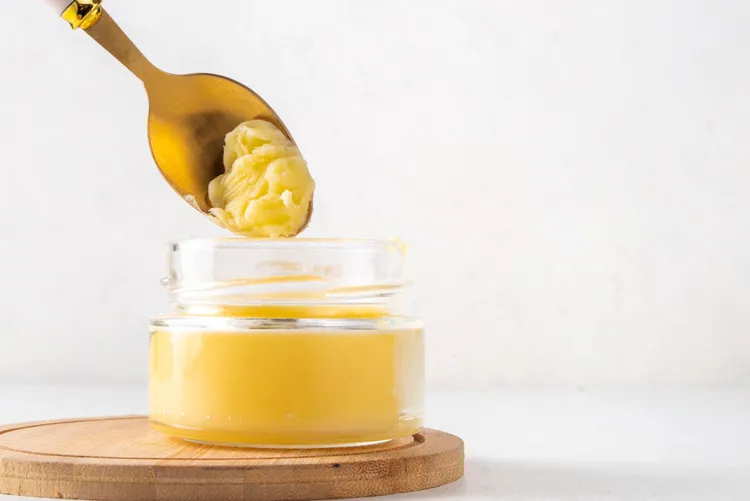
Because ghee is essentially pure butterfat, it substitutes cleanly for butter in most savory cooking, and often for oil as well. Knowing exactly where the swap works seamlessly, and where it doesn't, makes it a lot easier to reach for ghee with confidence.
Substituting Ghee for Butter
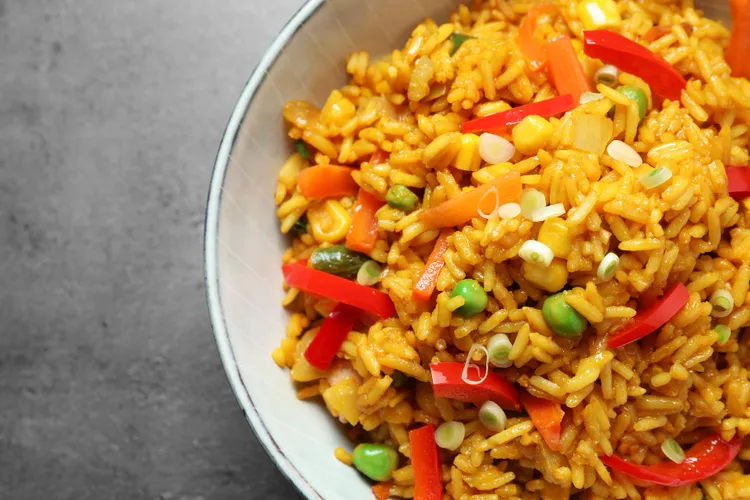
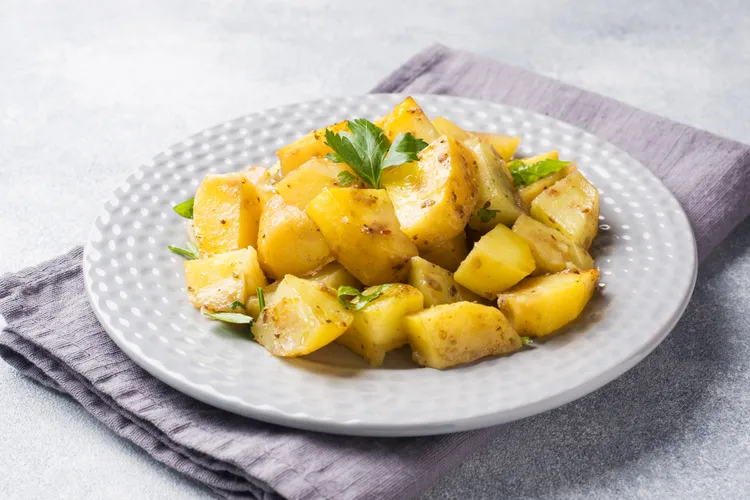
In savory cooking - sautéing, roasting, pan sauces, finishing a dish - ghee substitutes for butter at a 1:1 ratio with no adjustment needed, and often improves the dish thanks to its higher smoke point and nuttier flavor. This works especially well in anything getting real heat, like our ghee roasted vegetables or ghee fried rice.
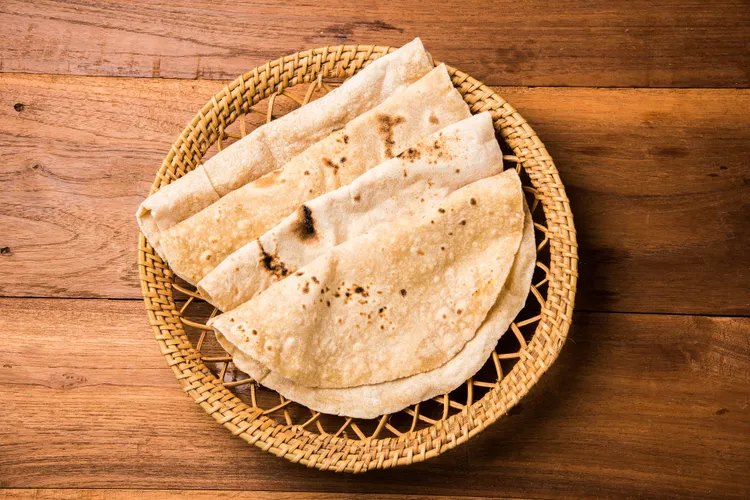
In baking, the substitution is less straightforward. Butter's water content and milk solids play a real structural and textural role in a lot of baked goods - contributing to steam that helps things rise, and to the milk proteins that assist in browning. Swapping in ghee at a 1:1 ratio generally works fine in denser baked goods like shortbread or certain flatbreads (see our ghee roti for an example), but in anything relying on butter's water content for lift, like a laminated pastry or a cake with a delicate crumb, the result will be noticeably different - often denser and less tender than the butter version.
Substituting Ghee for Oil
Ghee works well in place of a neutral oil anywhere you want more flavor - roasting, frying, sautéing - substituting at a 1:1 ratio. Given ghee's higher smoke point compared to butter (covered in our smoke point guide), it holds up to the same high-heat techniques that a neutral oil like canola or vegetable oil would typically be used for, without the risk that plain butter would carry in the same situation.
The main place ghee isn't a great oil substitute is in recipes that specifically want a neutral flavor - a delicate vinaigrette, for instance, or a baked good where you don't want a noticeable butter or ghee flavor coming through. In those cases, a plain oil remains the better choice.
A Quick Reference
- Sautéing, roasting, pan sauces: Swap 1:1 for butter or oil, no adjustment needed
- High-heat frying or searing: Swap 1:1 for oil or butter - actually an improvement over butter specifically
- Dense baked goods (shortbread, some flatbreads): Swap 1:1 for butter, minor texture differences possible
- Delicate baked goods (cakes, laminated pastry): Proceed with caution - expect a denser, less tender result
- Recipes needing a neutral flavor: Stick with a plain oil instead
Dietary Considerations
Because ghee has had its milk solids removed, it contains only trace amounts of lactose and casein, which makes it more tolerable than butter for some people with mild dairy sensitivities, though it's not appropriate for anyone with a genuine milk protein allergy, since trace amounts can still remain. If dairy is a strict concern, this is worth discussing with a doctor rather than assuming ghee is automatically safe.
Once you're comfortable with where the swap works and where it doesn't, ghee becomes a genuinely flexible pantry staple rather than a specialty ingredient reserved for specific recipes. For more, see the complete ghee guide.
Latest